
Clinically Reviewed By Brittany Astrom - LMFT
Brittany has 15 years of experience in the Mental Health and Substance Abuse field. Brittany has been licensed for almost 8 years and has worked in various settings throughout her career, including inpatient psychiatric treatment, outpatient, residential treatment center, PHP and IOP settings.
Women’s Evening IOP: Flexible Support for Your Mental Health and Addiction Journey (5:30–8:30 PM)
We understand that many women skillfully manage work, family, and caregiving responsibilities, all while seeking consistent, evidence-based support for their mental health or addiction challenges. Our Evening Intensive Outpatient Program (IOP), thoughtfully scheduled from 5:30–8:30 PM, offers a truly accessible solution. This guide will walk you through what our women’s evening IOP entails, how its structured 5:30–8:30 PM schedule empowers women with co-occurring disorders on their recovery journey, the clinical therapies we lovingly integrate, and how we organize relapse prevention and aftercare.
You’ll discover the conditions we treat (like anxiety, depression, PTSD, and bipolar disorder), our specialized substance-specific programming, and practical steps for enrollment and insurance verification. Our aim is to provide clear, compassionate guidance for women who need flexible treatment hours without ever compromising clinical excellence, offering specific insights into our gender-specific and trauma-informed adaptations. We’ll cover a concise program overview, our powerful clinical tools (CBT, DBT, trauma-informed care), a comparison of our addiction services, compelling reasons to choose gender-specific evening care, and a straightforward admissions and insurance verification process.
After exploring the program’s core and clinical details, we’ll outline how to begin your journey and what to expect from your participation and ongoing care.
What is Our Women’s Evening Intensive Outpatient Program?
Our women’s evening Intensive Outpatient Program (IOP) provides a structured, compassionate level of outpatient care, delivering multiple therapeutic approaches during the convenient 5:30–8:30 PM timeframe. This allows you to maintain your vital daytime responsibilities. The program beautifully blends group therapy, individual counseling, expert psychiatric coordination, and skills-based psychoeducation to address both mental health concerns and substance use disorders simultaneously.
This integrated approach offers comprehensive dual diagnosis care in a format that truly respects your work and family life. Enrollment is typically for adult women seeking clinically intensive support without requiring 24-hour supervision. Our evening schedule is thoughtfully designed to promote consistent attendance, ensuring you can prioritize your healing while preserving your daytime obligations.
These program elements work together to create predictable support, foster deep peer connection, and enable essential monitoring and medication management whenever needed. If you’re looking for a local, in-person option, Sun County Wellness proudly offers a women’s Evening IOP, scheduled 5:30–8:30 PM, and provides clear next-step information about admissions and insurance verification in the section below. This helps you seamlessly move from understanding our program to checking your eligibility and coverage.
This quick overview highlights our typical program logistics and common components, perfect for a rapid scan before you dive deeper.
Program Feature
Key Aspect
What to Expect
Schedule
Hours
5:30–8:30 PM, several evenings each week
Who We Serve
Eligibility
Adult women balancing work/family, those with co-occurring disorders
Core Support
Therapies
Group therapy, individual counseling, medication management
This table clearly outlines our core logistics, so you can immediately see how an evening IOP can beautifully fit into your daily life and treatment needs. Understanding the schedule and components will prepare you for the more in-depth clinical sections that follow.
How Our Evening IOP Supports Women’s Mental Health and Addiction Recovery

Our evening IOP lovingly supports your recovery by offering concentrated therapeutic engagement during prime evening hours, all while safeguarding your daytime responsibilities. This thoughtful design significantly improves attendance and ensures continuity of care. Group therapy fosters invaluable peer support and accountability, while individual sessions provide personalized assessment and expert medication coordination for those managing co-occurring disorders.
Our structured routine gently reduces isolation, reinforces the powerful coping skills you learn in sessions, and creates vital opportunities to practice relapse prevention strategies, especially before bedtime when triggers often emerge. Clinically, combining our psychosocial interventions with compassionate psychiatric oversight addresses both addiction and mental health symptoms, significantly increasing your chance of sustained stabilization and well-being. These integrated mechanisms beautifully set the stage for the next section, where we describe specific session types and our weekly scheduling.
What Are the Key Components of Our Evening IOP Schedule?
A typical evening IOP schedule at Sun County Wellness thoughtfully balances group-based psychoeducation, practical skills training, and individual check-ins across multiple evenings, all perfectly fitted into the 5:30–8:30 PM window to gracefully accommodate your work and caregiving roles. A representative weekly pattern might include two evenings dedicated to CBT-based relapse prevention, one powerful skills-based DBT session, and alternating individual medication or therapy check-ins, with occasional family or parenting sessions offered as needed.
The frequency and exact mix are always individualized based on your unique assessment, but our consistent evening timing truly helps you maintain employment and family routines while receiving intensive, compassionate care. This predictable schedule allows our clinicians to thoughtfully sequence your learning—from skill introduction to practice and review—ensuring that your gains consolidate beautifully throughout the week. The next section will lovingly explain how these clinical choices are adapted to meet women’s unique mental health needs.
How Our Evening IOP Addresses Women’s Unique Mental Health Needs
Our evening IOP, specifically designed for women, thoughtfully adapts its clinical content to address common gender-specific risk factors such as trauma exposure, the stresses of caregiving, and complex relationship dynamics. It provides a truly safer, more nurturing space for disclosure and profound healing. Our compassionate clinicians utilize gender-sensitive group norms, thorough trauma-informed screening, and integrated psychiatric collaboration to beautifully align therapy with women’s lived experiences and co-occurring conditions.
We place a strong emphasis on building trust, normalizing the act of seeking help, and teaching practical coping skills that apply directly to your home and work environments—skills you’ll practice in our 5:30–8:30 PM sessions and reinforce through gentle homework and community resources. Our seamless coordination among therapists, prescribers, and case managers addresses complex needs, such as medication management for mood disorders alongside effective behavioral interventions for substance use. These thoughtful adaptations significantly improve engagement and retention, gently leading us into the specifics of which conditions are typically treated in our evening IOPs.
Research beautifully illustrates that gender plays a significant role in how co-occurring disorders present and which treatment approaches are most effective.
“Gender Differences in Dual Diagnosis Treatment: Women’s Mental Health and Addiction”
>
“Women were less frequently diagnosed with cannabis, opioid, and especially cocaine use disorders, and they had fewer psychotic disorders and more affective, anxiety, sleep, and eating disorders, with the rest being the same, including personality disorders. Women had fewer treatments with agonists and more with antagonists, and more prescriptions of anxiolytics and antidepressants. This study provides preliminary information on the coexistence in routine clinical practice of addictive disorders and other mental disorders in Spain, and on the treatment provided, and shows differences in prevalence and clinical characteristics, and especially in treatment approaches between women and men.”
>
“Gender and addiction and other mental disorders comorbidity: sociodemographic, clinical, and treatment differences, 2023”
Which Mental Health Conditions Do We Treat in Our Evening IOP?
Our Evening IOPs compassionately treat a range of mood and anxiety disorders, alongside trauma-related conditions and bipolar spectrum disorders. We utilize both group and individual modalities to gently address symptoms as they appear in your daily life. For instance, anxiety and depression are lovingly addressed through CBT-focused groups that teach powerful cognitive restructuring and behavioral activation techniques. PTSD is treated with trauma-informed stabilization, grounding techniques, and gradual processing when it feels appropriate for you.
Bipolar disorder receives expert mood-stabilizing medication coordination and psychoeducation to help prevent cycling, and any co-occurring personality-related distress is skillfully managed with DBT skills for emotion regulation and interpersonal effectiveness. Addressing these conditions within the same program beautifully supports positive dual diagnosis outcomes and reduces any fragmentation of care. The next subsection will lovingly explain how our evidence-based therapies are thoughtfully deployed in practical evening-session formats.
How We Use Evidence-Based Therapies Like CBT and DBT in Evening Treatment
At Sun County Wellness, CBT and DBT are thoughtfully integrated into our evening group sessions and brief individual check-ins. Our goal is to teach you concrete, practical skills that you can immediately apply at home and at work. Our CBT groups focus on helping you identify unhelpful thought patterns and practice new behavioral experiments, while DBT lovingly emphasizes emotion regulation, distress tolerance, and interpersonal effectiveness skills, all carefully tailored to the common triggers women often report.
Sessions beautifully alternate between clear didactic teaching and engaging experiential exercises and role-plays. Our compassionate clinicians assign short, practical homework to reinforce real-world application between your evening meetings. Expert psychiatric coordination gently complements these psychotherapies by addressing your medication questions and side effects during brief, supportive individual appointments. These integrated methods powerfully support symptom reduction and provide a strong, nurturing bridge to aftercare and community-based supports.
What Addiction Treatment Services Are Offered in Our Women’s Evening IOP?
Our women’s evening IOP provides specialized substance-specific interventions, robust relapse prevention, and integrated mental health care to compassionately treat addiction within our 5:30–8:30 PM structure, all while maintaining exceptional clinical intensity. Our programming beautifully blends group-based relapse prevention, motivational interviewing, cognitive-behavioral relapse planning, and seamless coordination with medication-assisted treatment when indicated, delivering a truly comprehensive approach for common substances.
The program’s design powerfully supports dual diagnosis by aligning substance-focused work with concurrent therapy for mood, anxiety, and trauma-related disorders, ensuring both conditions are treated together with care. In addition to our clinical programming, our model thoughtfully connects participants with vital community resources and continuing care options to support smooth transitions out of IOP. Sun County Wellness proudly embeds evidence-based and holistic modalities—including mindfulness and nutrition-informed approaches—within all our outpatient services, emphasizing gender-specific care, accreditation by The Joint Commission, and licensing by the Department of Health Care Services to ensure the highest quality and safety. We warmly encourage you to verify admissions and insurance details in the admissions section below.
Before we explore specific substances, this table offers a quick comparison of common substance treatment emphases within our evening IOP programming.
Substance Category
Treatment Focus
Typical Session Highlights
Alcohol
CBT relapse planning + group support
Identifying triggers, developing coping strategies
Opioids
Coordination with medication-assisted options
Managing cravings, connecting to MAT providers
Stimulants
Behavioral interventions + contingency planning
Impulse control, establishing healthy routines
Which Substances Does Our Evening IOP Address?
Our Evening IOPs thoughtfully address alcohol, opioids, stimulants, and polysubstance use through modality-specific strategies that beautifully blend behavioral therapies and medical coordination when necessary. Alcohol-focused work lovingly emphasizes relapse prevention planning and effective social-situation coping, while opioid treatment includes close coordination with medication-assisted treatment providers and opioid-specific craving management strategies. Stimulant-focused programming concentrates on impulse control, sleep stabilization, and routine re-establishment, and polysubstance cases receive individualized planning that prioritizes the highest-risk substances and co-occurring conditions.
Our integrated evening format allows our compassionate clinicians to thoughtfully sequence substance-specific interventions across multiple evenings and adjust based on your clinical response. The next subsection will lovingly outline our relapse prevention curriculum and the coping-skill scaffolding we use in our evening programs.
How Our Program Supports Relapse Prevention and Coping Skills
Relapse prevention in our evening IOP beautifully combines psychoeducation, practical skills rehearsal, personalized trigger mapping, and concrete aftercare planning. Our goal is to significantly reduce near-term relapse risk and help you build a durable repertoire of coping skills. Sessions teach powerful, practical skills—like urge surfing, grounding, emotion regulation, and structured planning for high-risk situations—then use engaging role-plays and gentle homework to rehearse your responses outside the clinic.
Aftercare planning includes lovingly linking you to community recovery supports, outpatient therapy, and sober-living options when needed, plus scheduling booster sessions to reinforce your gains. Our compassionate clinicians develop individualized relapse prevention plans that map your warning signs, coping steps, emergency contacts, and resources, empowering you to apply these vital skills during evenings and weekends when triggers often arise. These practical measures thoughtfully prepare you for the transition to lower levels of care while powerfully supporting your sustained recovery.
Why Choose a Gender-Specific Evening IOP for Women?
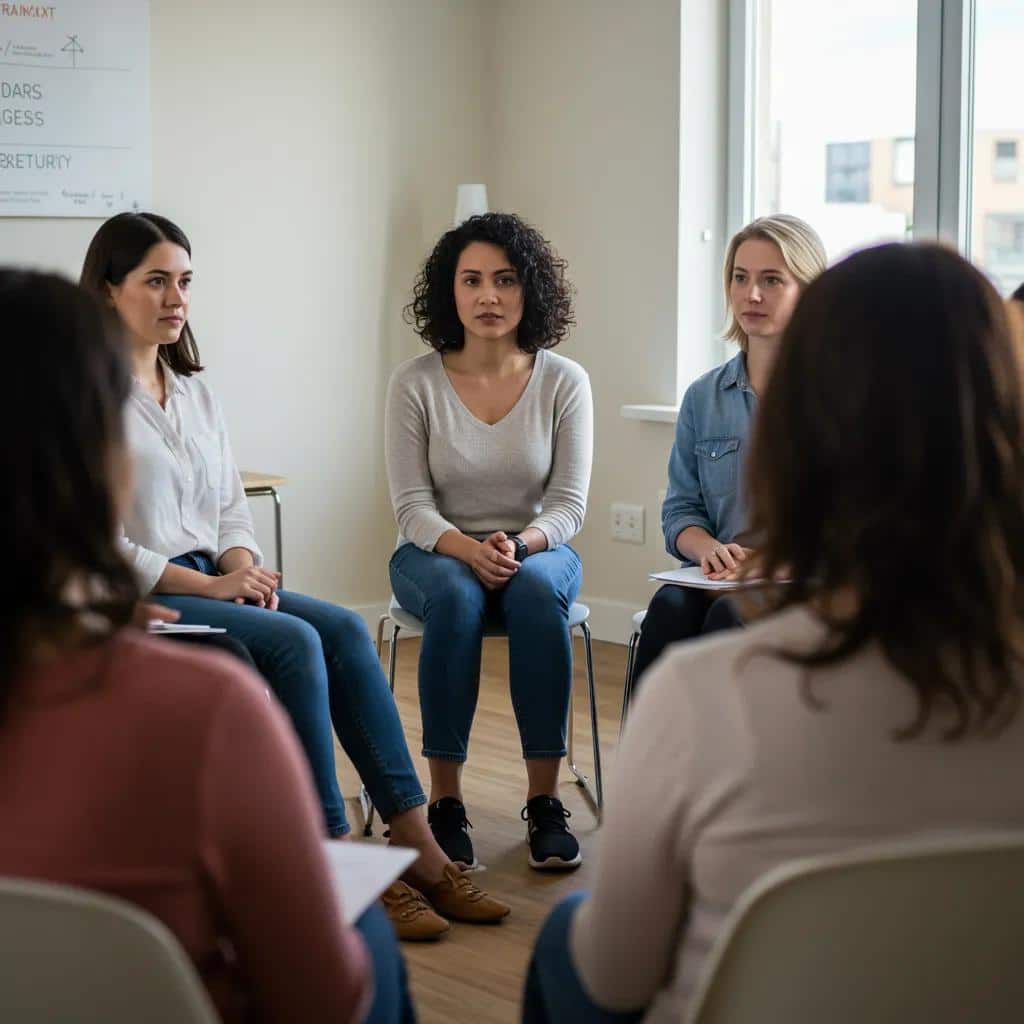
Choosing our gender-specific evening IOP lovingly centers safety, shared experience, and a targeted curriculum around women’s common clinical and social challenges. This significantly improves engagement and therapeutic depth during your 5:30–8:30 PM sessions. Gender-specific groups create a nurturing environment, allowing our compassionate clinicians to address topics like parenting stress, intimate partner violence, reproductive health impacts, and caregiving roles in a focused, understanding way. This naturally increases disclosure and fosters profound mutual support among participants. Evidence-informed rationale beautifully suggests that women-only environments reduce stigma and create invaluable opportunities for trust-building, which powerfully supports more effective trauma processing and skill acquisition.
Our programmatic adaptations—such as trauma-informed group norms, robust privacy protections, and specialized clinician training—further enhance your safety and the relevance of your healing journey. The following list beautifully summarizes the primary benefits in direct terms, helping you make a quick, informed decision.
- 1Enhanced Safety and Trust: Our women-only groups lovingly foster open disclosure and deep peer support in a contained, nurturing environment.
- 2Targeted Topics: Sessions thoughtfully address issues like parenting, relationships, and trauma that often disproportionately affect women.
- 3Improved Engagement: Gender-specific norms significantly increase attendance and participation by gently reducing barriers to sharing.
These powerful benefits beautifully explain why many women prefer an evening, gender-specific format. The next subsection will lovingly examine the mechanisms that translate these advantages into measurable, lasting recovery outcomes.
How Does Gender-Specific Care Enhance Recovery Outcomes?
Gender-specific care beautifully enhances recovery by aligning group dynamics and curriculum with women’s unique social roles and clinical presentations. This thoughtful approach promotes earlier engagement and deeper therapeutic work. Key mechanisms include an increased willingness to disclose trauma histories, stronger peer accountability around domestic and caregiving challenges, and tailored skills practice that applies directly to typical triggers encountered at home. Our compassionate clinicians can prioritize subjects such as parenting strategies, attachment patterns, and safety planning in ways that deeply resonate with participants’ daily lives, leading to better retention and more rapid functional gains.
Collaborative care—seamlessly linking therapy, psychiatry, and social supports—ensures that your recovery outcomes address both symptom reduction and real-world functioning. These powerful mechanisms reinforce the vital role of trauma-informed practice, which we’ll discuss next.
What Role Does Trauma-Informed Care Play in Our Evening IOP?
Trauma-informed care is a foundational cornerstone in our women’s evening IOPs, thoughtfully shaping our screening processes, session structure, clinician responses, and safety planning. Our goal is to minimize re-traumatization and powerfully support stabilization before any deeper processing begins. Our programs carefully screen for trauma exposure and prioritize stabilization techniques—like grounding, emotion regulation, and pacing—before introducing trauma processing.
Our compassionate clinicians are expertly trained to recognize dissociation and safety needs during group work. Safety planning and consent-focused interventions ensure you retain control over disclosure, while skill-building gently reduces symptom-driven behaviors that might interfere with treatment. Integrating trauma-informed principles with addiction-focused relapse prevention beautifully balances the need for profound healing with the urgency of reducing substance-related harm. The next section will lovingly explain how to start your process and verify insurance for participation in our evening IOP.
How Women Can Enroll in Our Evening IOP and Verify Insurance
Enrolling in our women’s Evening IOP typically follows a clear, supportive, and time-sensitive sequence, from your initial inquiry to assessment and orientation. Verifying your insurance promptly helps us confirm coverage for our outpatient services, reducing any delay and uncertainty. Our straightforward admissions pathway is designed to ease your journey: simply make an inquiry, complete a brief clinical screening, schedule an intake assessment, receive your individualized care plan, and then begin orientation and group scheduling for your 5:30–8:30 PM sessions.
Insurance verification often occurs during the screening or intake stage, allowing our compassionate clinicians to recommend appropriate levels of care and provide clear information about in-network benefits or self-pay options. Below is a numbered, step-by-step admissions process, optimized for quick action and clarity.
- 1Initial Contact and Inquiry: Share your needs and inquire about our evening IOP availability.
- 2Clinical Screening: A brief phone or telehealth screening to assess if our evening IOP is the right fit for you.
- 3Comprehensive Intake Assessment: A detailed, compassionate evaluation of your mental health, substance use, and medical needs.
- 4Individualized Care Planning: Our clinician will lovingly create a personalized treatment plan and confirm your schedule (5:30–8:30 PM).
- 5Insurance Verification and Orientation: We’ll help verify your coverage, review any necessary authorizations, and begin orientation before your first group session.
These numbered steps beautifully clarify your path from inquiry to participation and naturally lead to practical advice on which insurers we typically accept and how verification is handled.
Before our insurer list, this table provides a scannable verification guide, featuring common payers noted in regional reports, and explains our verification steps along with practical notes about coverage.
Insurance Provider
Verification Steps
Notes on Your Coverage
Aetna
Provide policy info during screening; authorizations if required
We’ll help verify in-network benefits and co-pay details
Anthem / Blue Cross Blue Shield
Submit member ID and clinical diagnosis for pre-authorization
Coverage lovingly varies by plan and state contract
Cigna
Contact insurer with facility or clinician NPI during intake
We’ll confirm your outpatient mental health/IOP benefits
Humana / Magellan / UMR
Provide insurer details and request benefit summary
Ask us about out-of-network options and prior authorizations
- Please have your insurance card and any prior clinical records ready for intake to help us speed up verification.
- Expect initial screening and intake scheduling to occur within days to a week, depending on availability, as we strive to support you promptly.
- Kindly bring information about your current medications, prescribers, and recent hospitalizations to your intake assessment.
Preparing your documents and understanding timelines lovingly reduces delays and supports a smooth, gentle transition into evening treatment. For those evaluating options, local providers like Sun County Wellness proudly operate gender-specific evening IOPs in Orange County / San Juan Capistrano and are here to assist with admissions and insurance verification as part of our comprehensive outpatient program services. Prospective participants are warmly encouraged to inquire about coverage and next steps through the admissions pathway described above.
What Is the Step-by-Step Admissions Process for Our Evening Program?
Our admissions process begins with a brief, compassionate inquiry and screening to determine clinical appropriateness, and lovingly continues through intake assessment, personalized treatment planning, and orientation before you begin your regular 5:30–8:30 PM sessions. Initial contact gathers basic information and your availability, followed by a clinical screening that thoughtfully assesses your safety, severity, and whether our evening IOP is the right level of care for you.
The comprehensive intake includes in-depth clinical interviews, standardized assessments, and seamless coordination with medical providers when medication management or detox planning is needed. After your assessment, our compassionate clinicians will draft an individualized plan, gently schedule you into specific evening groups, and conduct an orientation that clearly explains expectations, confidentiality, and group norms. This sequential structure minimizes surprises and ensures that your therapy begins promptly with clear goals and unwavering support.
Which Insurance Providers Does Sun County Wellness Accept?
Sun County Wellness proudly accepts a range of commercial and managed care plans, commonly recognized in regional provider listings. We are here to assist prospective participants with verification during intake to confirm your benefits for our outpatient programs like IOP and PHP. Common insurers referenced regionally include Aetna, Anthem / Blue Cross Blue Shield, Cigna, Humana, Magellan, and UMR.
Sun County Wellness warmly advises verifying your specific plan benefits and any required authorizations during screening. Our dedicated admissions team can lovingly help you check whether our evening IOP is in-network, outline potential co-pays or deductibles, and discuss self-pay alternatives when necessary. If your plan is out-of-network, our facility can explain reimbursement options and refer you to sliding-scale or payment planning resources to support your access to care. Clear verification steps reduce uncertainty and help women begin their healing journey efficiently.
Insurance Provider
Verification Steps
Important Notes
Aetna
Provide member ID at inquiry; request benefit check
We’ll confirm your IOP benefits and prior authorization needs
Anthem / Blue Cross Blue Shield
Submit clinical information during intake
Ask us about network status for our outpatient programs
Cigna / Humana / Magellan / UMR
Share insurer details during screening
We can explore out-of-network reimbursement if needed
This insurer table is thoughtfully designed to be a practical checklist during your intake call. Confirming your benefits early helps avoid unexpected costs and speeds your admission into our evening program. After your coverage is confirmed, our orientation lovingly prepares you to join our evening groups and begin your active treatment journey.
What Do Women Say About Their Experience in Our Evening IOP?
Participant feedback consistently emphasizes that our evening scheduling directly enhances treatment adherence and beautifully reduces the difficult trade-offs between recovery and daily responsibilities. Common themes include an increased ability to maintain work, attend to family needs, and continue caregiving, all while engaging consistently in therapy. Many describe the profound peer support and structured evening routines as absolutely central to their early recovery stability.
Women also lovingly report that our gender-specific groups create truly safer spaces for discussing trauma, parenting, and relationship challenges, which significantly accelerates trust and therapeutic progress. Rather than individual testimonials, we summarize these recurring themes to beautifully illustrate typical participant experiences and the wonderful improvements in functioning observed over time.
How Have Women Benefited from Our Evening IOP’s Flexible Schedule?
Our flexible evening scheduling significantly reduces missed sessions and empowers women to seamlessly integrate treatment with their employment and childcare, directly supporting retention and the real-world application of vital skills. For our working participants, attending 5:30–8:30 PM sessions lovingly prevents the need to take time off work, helping them maintain financial stability while passionately pursuing their recovery goals.
Caregivers beautifully benefit from a consistent evening routine that permits daytime caregiving duties and still secures focused therapeutic time, which improves emotional regulation and decreases crisis-driven substance use. These practical advantages translate into higher attendance rates and greater continuity of care, which the next subsection lovingly connects to long-term recovery pathways.
What Success Stories Illustrate Long-Term Recovery and Wellness?
While we respectfully avoid fabricated testimonials, our programs share anonymized archetypes that beautifully illustrate common recovery pathways. Imagine a participant who stabilizes her mood and reduces substance use through CBT and expert medication coordination, then gracefully transitions to outpatient therapy and community supports, ultimately securing employment stability and family reconnection. Another common pathway shows someone with trauma histories gaining powerful emotion-regulation skills in our DBT groups, lovingly linking to peer-support networks, and maintaining sobriety through structured aftercare and booster sessions.
These archetypal vignettes highlight the beautiful sequence from evening IOP engagement to continuing care, community reintegration, and sustained wellness, all without presenting invented individual claims. Understanding these trajectories helps prospective participants envision how participation in our evening IOP can powerfully support their long-term goals.
This guide has lovingly outlined our program structure, clinical modalities, substance-specific services, gender-specific benefits, and a clear admissions and insurance verification process to help women make informed, empowered choices about participating in our evening IOP. For your next steps, please prepare your insurance information for verification, review the admissions checklist above, and consider asking about our gender-specific and trauma-informed programming when evaluating your options. We are here to support you every step of the way.
Frequently Asked Questions
What's the difference between our Evening IOP and traditional outpatient programs?
Our Evening Intensive Outpatient Program (IOP) is thoughtfully designed to lovingly accommodate women who have important daytime responsibilities, such as work or caregiving. Unlike traditional outpatient programs that might offer sessions during the day, our Evening IOP runs from 5:30 PM to 8:30 PM, allowing you to engage in intensive, compassionate therapy without disrupting your daily life. This unique structure promotes consistent attendance and truly helps women integrate treatment into their routines, making it a wonderfully flexible option for those balancing multiple, vital roles.
How does our Evening IOP lovingly incorporate family involvement in treatment?
Our Evening IOP deeply recognizes the profound importance of family dynamics in your recovery journey and often includes family or parenting sessions as a cherished part of the program. These sessions provide a nurturing platform for participants to openly discuss challenges related to family roles and relationships, fostering open communication and invaluable support. By involving family members, our program lovingly aims to strengthen the support system around you, which can beautifully enhance recovery outcomes and help address issues that may contribute to mental health or substance use challenges.
What types of therapies are lovingly utilized in our Evening IOP?
Our Evening IOP thoughtfully employs a variety of evidence-based therapies, all carefully tailored to meet the unique needs of women. Common modalities include Cognitive Behavioral Therapy (CBT) for gently addressing thought patterns and behaviors, Dialectical Behavior Therapy (DBT) for powerful emotion regulation, and trauma-informed care to compassionately address past traumas. These therapies are beautifully integrated into both group and individual sessions, empowering you to develop practical skills that can be immediately applied in your daily life, thereby enhancing your overall recovery experience.
Are there specific challenges women face in recovery that our Evening IOP addresses?
Yes, absolutely. Our Evening IOP is specifically designed to lovingly address challenges that are often unique to women, such as trauma exposure, the stresses of caregiving, and complex relationship dynamics. The program creates a truly safe and nurturing space for women to discuss these issues openly, which can lead to more effective healing. By focusing on gender-specific topics and using trauma-informed approaches, our IOP helps you build trust and engage more deeply in your recovery process, ultimately leading to better, more lasting outcomes.
What vital role does peer support play in our Evening IOP?
Peer support is a crucial and cherished component of our Evening IOP, as it fosters a profound sense of community and shared experience among participants. Group therapy sessions allow women to connect deeply with others facing similar challenges, which can beautifully reduce feelings of isolation and stigma. This supportive environment lovingly encourages accountability and motivation, as participants share their experiences and coping strategies. The bonds formed in these groups can be instrumental in sustaining recovery and providing ongoing encouragement far beyond the program.
How can women assess if our Evening IOP is the right fit for them?
Women can lovingly assess the suitability of our Evening IOP by thoughtfully considering their personal circumstances, such as their work and family commitments, as well as their specific mental health and substance use needs. A compassionate clinical screening during the admissions process can help determine if the program beautifully aligns with your treatment goals. Additionally, prospective participants should reflect on their comfort level with gender-specific therapy and the profound importance of a supportive community in their recovery journey. We are here to help you explore if it’s the right path for you.

Seeking Treatment? We Can Help
At Sun County Wellness, as an in-network provider we work with most insurance plans, such as:
If you or a loved one are struggling with mental health challenges or substance abuse, reach out to Sun County Wellness today. Our team of compassionate professionals is here to support your journey towards lasting well-being. Give us a call at 949-993-1149
Visit SAMHSA or contact us today for more inforamtion.