Key Takeaways
- Addiction is a treatable medical condition, not a character flaw; evidence based addiction treatment improves the chance of lasting recovery.
- Sun County Wellness in San Juan Capistrano offers women-only outpatient care for alcohol addiction, drug addiction, and co occurring mental health needs.
- Core treatment options include medical detox coordination, medication assisted treatment, individual counseling, group therapy, holistic care, and trauma-informed therapy.
- PHP, IOP, OP, and virtual care help adult women receive structured treatment while continuing family, work, school, and home responsibilities.
Understanding Addiction and Why Treatment Matters
Addiction is a chronic disease that affects decision-making, impulse control, reward, stress, and mental health. A substance use disorder is not a moral failing; it is a diagnosable condition described in the diagnostic and statistical manual from the american psychiatric association, also called the statistical manual.
Substance use disorder can involve alcohol, prescription opioids, stimulants, benzodiazepines, cannabis, or other drugs. SAMHSA reported that 48.7 million Americans age 12 or older had a past-year SUD in 2022, and women often enter care with trauma, depression, anxiety, or other mental disorders. Long-term substance use changes the brain’s reward system, making cravings, compulsive drug use, and relapse more likely.
Effective treatment goes beyond willpower. Recovery from a substance use disorder involves a combination of medical, behavioral, and community-based interventions. Sun County Wellness is a women-only outpatient mental health and addiction treatment center in San Juan Capistrano, California, specializing in dual diagnosis care.

Levels of Care: From Intensive to Flexible Outpatient
Treatment is delivered across a spectrum of environments that individuals transition through based on their clinical needs. The right level of care depends on withdrawal risk, home safety, psychiatric symptoms, and recovery goals.
A partial hospitalization program provides structured day treatment while clients sleep at home. At Sun County Wellness, PHP may include 4–8 hours per weekday, often 20+ hours weekly; many Partial Hospitalization Programs (PHP) offer day treatment for 25 to 30 hours a week, providing intensive therapy while allowing individuals to live at home or continue working.
An intensive outpatient program provides more support than weekly talk therapy. Intensive Outpatient Programs (IOP) typically involve 9-15 hours of therapy per week, allowing individuals to maintain full-time work or school commitments while receiving treatment; Sun County Wellness commonly structures IOP around 10–20 hours weekly.
Outpatient treatment programs can vary in intensity and may include weekly or bi-weekly individual or group therapy sessions, suitable for early recovery or maintenance phases. Virtual outpatient care offers secure video sessions for women needing privacy, flexibility, or access outside Orange County. Clients can step down from PHP to IOP to OP as stability grows.
Core Clinical Services: Individual Counseling and Group Therapy
Behavioral therapies form the foundation of professional addiction treatment. Most effective therapies combine individual counseling, group therapy, family involvement when appropriate, and follow up care.
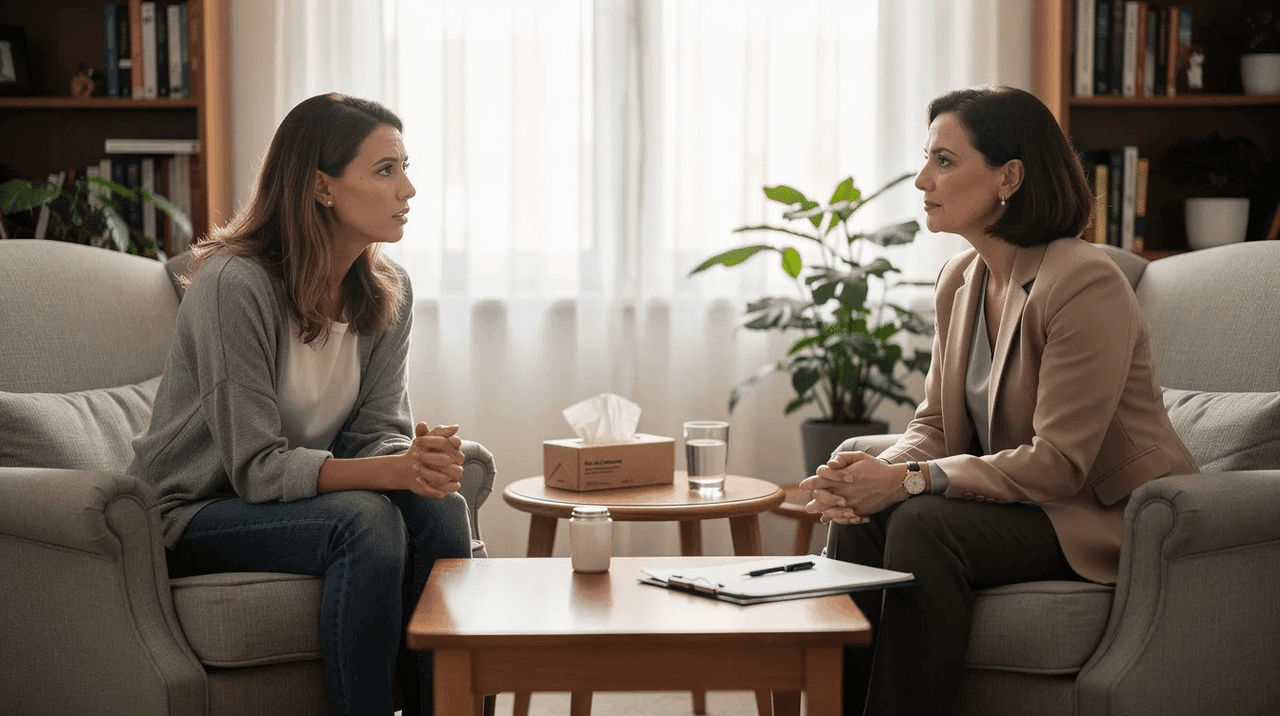
In individual therapy, a licensed counselor or mental health professional helps each woman explore trauma, depression, anxiety, PTSD, relationship patterns, drug abuse, and personal goals. A treatment plan may include cognitive behavioral therapy, dialectical behavior therapy, motivational interviewing, motivational enhancement therapy, psychodynamic therapy, and other therapies.
Group counseling happens in a women-only group setting, where clients reduce shame, build peer support, and practice coping strategies. Topics may include cravings, boundaries, codependency, body image, motherhood, safety, and developing coping skills.
Family involvement is crucial in the recovery process as it addresses the impact of addiction on the entire family unit, not just the individual suffering from substance use disorder. Involving family members in treatment can enhance the effectiveness of rehabilitation by providing support, education, and a better understanding of the addiction process. Family therapy can help improve communication and relationships among family members, which is essential for a supportive recovery environment.
Medication Assisted Treatment (MAT) and Other Medical Supports
Medication assisted treatment is a research-backed option, especially for opioid addiction, opioid use disorder, and alcohol addiction. At Sun County Wellness, MAT is paired with counseling and medical care.
Medication-assisted treatment for opioid use disorder may include medications such as buprenorphine, methadone, and naltrexone, which help manage cravings and withdrawal symptoms. MAT for alcohol use disorder may include naltrexone, acamprosate, or disulfiram, depending on health history and goals.
Research shows that combining therapy with medication-assisted treatment (MAT) leads to the highest recovery success rates, increasing treatment success by 50 to 70%. The combination of medication and therapy addresses both the physical dependence and the psychological triggers of addiction, making it a comprehensive approach to treatment.
Detoxification, or withdrawal therapy, is a critical first step in addiction treatment, which may be conducted on an outpatient basis or require admission to a residential treatment center depending on the severity of the addiction. Alcohol, benzodiazepine, or opioid withdrawal can become life threatening, so Sun County Wellness coordinates medical detox, inpatient detox, primary care, and healthcare providers when needed. MAT is not “replacing one drug with another”; it lowers opioid overdose risk and supports effective treatment.
Evidence-Based and Trauma-Informed Therapies for Women
Women often seek treatment with trauma, anxiety, depression, eating concerns, borderline personality disorder, or another mental illness. That is why Sun County Wellness uses evidence based, trauma-informed disorder treatment.
Cognitive-behavioral therapy (CBT) is an effective treatment for addiction, helping individuals manage symptoms, prevent relapse, and learn coping mechanisms through structured sessions with a therapist. Dialectical behavior therapy (DBT) focuses on developing behavioral skills to manage emotions and improve relationships, and has shown effectiveness in treating addiction and various mental health diagnoses. DBT skills include emotion regulation, distress tolerance, mindfulness, and interpersonal effectiveness.
Motivational interviewing is a counseling method that encourages individuals to change their behavior by enhancing their motivation, making it particularly effective for those who are ambivalent about recovery. Psychodynamic therapy helps patients gain insight into their unconscious thoughts and behaviors, which can be crucial for understanding the motivations behind their addiction and resolving internal conflicts.
Contingency Management (CM) provides tangible rewards or incentives for meeting treatment goals, such as maintaining abstinence. Trauma-focused services, including EMDR or trauma-informed CBT when clinically appropriate, help women process past abuse without re-traumatization.
Holistic and Lifestyle-Based Support in Recovery
Holistic care treats the whole person: mind, body, and spirit. Holistic Therapies enhance overall wellness, using techniques such as yoga, meditation, art therapy, and music therapy.
Experiential Therapies provide individuals with non-verbal ways to process trauma and manage stress. Experiential therapy engages patients emotionally through hands-on activities like role-playing and guided imagery, making it effective for those who struggle to articulate complex emotions related to their addiction.
Sun County Wellness may integrate mindfulness, breathwork, gentle fitness, journaling, nutrition guidance, sleep hygiene, and healthy routines. These services complement CBT, DBT, motivational interviewing, MAT, and clinical treatment programs; they do not replace them.

Dual Diagnosis: Treating Addiction and Mental Health Together
Co-occurring disorders, also known as dual diagnosis, refer to the simultaneous presence of a mental health disorder and a substance use disorder, which complicates treatment and recovery. Treating only substance abuse treatment needs or only mental health symptoms rarely works long term.
Sun County Wellness begins with a thorough evaluation, including clinical interviews and structured assessments. Integrated plans may include psychiatric care, medication management, individual counseling, group therapy, and trauma work.
Research indicates that individuals with dual diagnosis often require integrated treatment approaches that address both their mental health and substance use issues simultaneously for effective recovery. Effective dual diagnosis treatment typically involves a combination of behavioral therapies and holistic approaches, tailored to the individual’s specific needs and circumstances.
This is especially important for postpartum depression, intimate partner violence, caretaking stress, body image struggles, and chronic relapse.
Women-Only Outpatient Rehab at Sun County Wellness
Sun County Wellness is a luxury, women-only outpatient center in San Juan Capistrano serving adult women from Orange County and beyond. Women’s rehab can reduce fear of judgment and create space for honest conversations about motherhood, relationships, hormones, trauma, and female-specific health.
The campus and virtual programs protect privacy and dignity through small groups, discreet scheduling, and compassionate care. The continuum includes PHP day treatment, intensive outpatient program, standard outpatient care, and virtual outpatient services.
Practical support may include:
- Insurance verification and clear cost discussions
- Employer coordination when appropriate
- Transportation planning or virtual access
- A clinical team experienced with complex trauma, domestic violence, addictive disorders, and chronic relapse
Planning for Long-Term Recovery and Aftercare
Addiction recovery continues after PHP or IOP. Combining therapies and support systems tailored to individual needs provides the best foundation for long-term recovery. Effective treatment addresses the physical, psychological, and social aspects of addiction through individualized plans.
Aftercare may include step-down outpatient therapy, alumni-style virtual groups, check-ins, and community support groups. Sustained recovery relies heavily on long-term, non-clinical support networks that offer accountability and reduce isolation.
Mutual Help Groups like Alcoholics Anonymous (AA) utilize a structured, spiritually-oriented 12-step framework. 12-Step Programs promote abstinence through structured steps and community support. Some women prefer alcoholics anonymous, narcotics anonymous, SMART Recovery, Refuge Recovery, or other self help groups.
Relapse prevention planning helps women identify triggers, create crisis plans, build sober routines, and rehearse coping skills for holidays, dating, family stress, and work pressure.
How to Choose the Right Addiction Treatment Program
Finding addiction treatment programs can feel overwhelming. Start by asking whether the program offers evidence based care, medication assisted treatment when indicated, trauma therapy, and support for co occurring conditions.
Also ask about:
- Levels of care: PHP, IOP, OP, and virtual treatment options
- Group size and women-only groups
- Psychiatric care and medication management
- Insurance, co-pays, deductibles, transportation, and scheduling
- Whether the program can coordinate medical detox when needed
Many programs treat symptoms separately. Sun County Wellness focuses on integrated substance abuse treatment, mental health support, and women-specific care. Resources from the national institute, national library, and national alliance can also help families understand treatment science.
Frequently Asked Questions About Treatment Options for Addicts
How do I know if I need Intensive Outpatient (IOP) instead of regular outpatient therapy?
IOP is often recommended when weekly therapy is not enough, such as continued substance use despite counseling, frequent cravings, unstable mood, or high relapse risk. At Sun County Wellness, clinical staff assess recent use, withdrawal symptoms, mental health, safety, and home support before recommending PHP, IOP, or standard outpatient care.
Can I keep working or caring for my children while in treatment?
Yes, many women attend PHP, IOP, OP, or virtual outpatient care while parenting, working, or attending school. Sun County Wellness designs outpatient addiction treatment so women can receive structured care without stepping completely away from daily responsibilities.
Do I have to stop all substances before starting treatment?
No. Some women seek treatment while still using. The first step is a medical and clinical assessment to decide whether supervised detox is needed, especially for alcohol, benzodiazepines, or heavy opioid use. Sun County Wellness coordinates trusted detox partners when stabilization is required.
Is group therapy really necessary if I prefer one-on-one counseling?
Individual counseling is important, but group therapy adds accountability, connection, and real-time skills practice. Women-only groups at Sun County Wellness help reduce shame while still allowing private issues to be processed in individual sessions.
Does Sun County Wellness accept insurance for addiction treatment?
Many commercial insurance plans help cover PHP, IOP, and outpatient addiction treatment, but benefits vary. Sun County Wellness offers complimentary insurance verification, explains co-pays or deductibles, and helps women review financial options before care begins.
If you or someone you love is ready to seek treatment, Sun County Wellness can walk you through an intake call, benefits verification, and available start dates in San Juan Capistrano or virtual care.
Key Takeaways
- Addiction is a treatable medical condition, not a character flaw; evidence based addiction treatment improves the chance of lasting recovery.
- Sun County Wellness in San Juan Capistrano offers women-only outpatient care for alcohol addiction, drug addiction, and co occurring mental health needs.
- Core treatment options include medical detox coordination, medication assisted treatment, individual counseling, group therapy, holistic care, and trauma-informed therapy.
- PHP, IOP, OP, and virtual care help adult women receive structured treatment while continuing family, work, school, and home responsibilities.
Understanding Addiction and Why Treatment Matters
Addiction is a chronic disease that affects decision-making, impulse control, reward, stress, and mental health. A substance use disorder is not a moral failing; it is a diagnosable condition described in the diagnostic and statistical manual from the american psychiatric association, also called the statistical manual.
Substance use disorder can involve alcohol, prescription opioids, stimulants, benzodiazepines, cannabis, or other drugs. SAMHSA reported that 48.7 million Americans age 12 or older had a past-year SUD in 2022, and women often enter care with trauma, depression, anxiety, or other mental disorders. Long-term substance use changes the brain’s reward system, making cravings, compulsive drug use, and relapse more likely.
Effective treatment goes beyond willpower. Recovery from a substance use disorder involves a combination of medical, behavioral, and community-based interventions. Sun County Wellness is a women-only outpatient mental health and addiction treatment center in San Juan Capistrano, California, specializing in dual diagnosis care.

Levels of Care: From Intensive to Flexible Outpatient
Treatment is delivered across a spectrum of environments that individuals transition through based on their clinical needs. The right level of care depends on withdrawal risk, home safety, psychiatric symptoms, and recovery goals.
A partial hospitalization program provides structured day treatment while clients sleep at home. At Sun County Wellness, PHP may include 4–8 hours per weekday, often 20+ hours weekly; many Partial Hospitalization Programs (PHP) offer day treatment for 25 to 30 hours a week, providing intensive therapy while allowing individuals to live at home or continue working.
An intensive outpatient program provides more support than weekly talk therapy. Intensive Outpatient Programs (IOP) typically involve 9-15 hours of therapy per week, allowing individuals to maintain full-time work or school commitments while receiving treatment; Sun County Wellness commonly structures IOP around 10–20 hours weekly.
Outpatient treatment programs can vary in intensity and may include weekly or bi-weekly individual or group therapy sessions, suitable for early recovery or maintenance phases. Virtual outpatient care offers secure video sessions for women needing privacy, flexibility, or access outside Orange County. Clients can step down from PHP to IOP to OP as stability grows.
Core Clinical Services: Individual Counseling and Group Therapy
Behavioral therapies form the foundation of professional addiction treatment. Most effective therapies combine individual counseling, group therapy, family involvement when appropriate, and follow up care.
In individual therapy, a licensed counselor or mental health professional helps each woman explore trauma, depression, anxiety, PTSD, relationship patterns, drug abuse, and personal goals. A treatment plan may include cognitive behavioral therapy, dialectical behavior therapy, motivational interviewing, motivational enhancement therapy, psychodynamic therapy, and other therapies.
Group counseling happens in a women-only group setting, where clients reduce shame, build peer support, and practice coping strategies. Topics may include cravings, boundaries, codependency, body image, motherhood, safety, and developing coping skills.
Family involvement is crucial in the recovery process as it addresses the impact of addiction on the entire family unit, not just the individual suffering from substance use disorder. Involving family members in treatment can enhance the effectiveness of rehabilitation by providing support, education, and a better understanding of the addiction process. Family therapy can help improve communication and relationships among family members, which is essential for a supportive recovery environment.
Medication Assisted Treatment (MAT) and Other Medical Supports
Medication assisted treatment is a research-backed option, especially for opioid addiction, opioid use disorder, and alcohol addiction. At Sun County Wellness, MAT is paired with counseling and medical care.
Medication-assisted treatment for opioid use disorder may include medications such as buprenorphine, methadone, and naltrexone, which help manage cravings and withdrawal symptoms. MAT for alcohol use disorder may include naltrexone, acamprosate, or disulfiram, depending on health history and goals.
Research shows that combining therapy with medication-assisted treatment (MAT) leads to the highest recovery success rates, increasing treatment success by 50 to 70%. The combination of medication and therapy addresses both the physical dependence and the psychological triggers of addiction, making it a comprehensive approach to treatment.
Detoxification, or withdrawal therapy, is a critical first step in addiction treatment, which may be conducted on an outpatient basis or require admission to a residential treatment center depending on the severity of the addiction. Alcohol, benzodiazepine, or opioid withdrawal can become life threatening, so Sun County Wellness coordinates medical detox, inpatient detox, primary care, and healthcare providers when needed. MAT is not “replacing one drug with another”; it lowers opioid overdose risk and supports effective treatment.
Evidence-Based and Trauma-Informed Therapies for Women
Women often seek treatment with trauma, anxiety, depression, eating concerns, borderline personality disorder, or another mental illness. That is why Sun County Wellness uses evidence based, trauma-informed disorder treatment.
Cognitive-behavioral therapy (CBT) is an effective treatment for addiction, helping individuals manage symptoms, prevent relapse, and learn coping mechanisms through structured sessions with a therapist. Dialectical behavior therapy (DBT) focuses on developing behavioral skills to manage emotions and improve relationships, and has shown effectiveness in treating addiction and various mental health diagnoses. DBT skills include emotion regulation, distress tolerance, mindfulness, and interpersonal effectiveness.
Motivational interviewing is a counseling method that encourages individuals to change their behavior by enhancing their motivation, making it particularly effective for those who are ambivalent about recovery. Psychodynamic therapy helps patients gain insight into their unconscious thoughts and behaviors, which can be crucial for understanding the motivations behind their addiction and resolving internal conflicts.
Contingency Management (CM) provides tangible rewards or incentives for meeting treatment goals, such as maintaining abstinence. Trauma-focused services, including EMDR or trauma-informed CBT when clinically appropriate, help women process past abuse without re-traumatization.
Holistic and Lifestyle-Based Support in Recovery
Holistic care treats the whole person: mind, body, and spirit. Holistic Therapies enhance overall wellness, using techniques such as yoga, meditation, art therapy, and music therapy.
Experiential Therapies provide individuals with non-verbal ways to process trauma and manage stress. Experiential therapy engages patients emotionally through hands-on activities like role-playing and guided imagery, making it effective for those who struggle to articulate complex emotions related to their addiction.
Sun County Wellness may integrate mindfulness, breathwork, gentle fitness, journaling, nutrition guidance, sleep hygiene, and healthy routines. These services complement CBT, DBT, motivational interviewing, MAT, and clinical treatment programs; they do not replace them.

Dual Diagnosis: Treating Addiction and Mental Health Together
Co-occurring disorders, also known as dual diagnosis, refer to the simultaneous presence of a mental health disorder and a substance use disorder, which complicates treatment and recovery. Treating only substance abuse treatment needs or only mental health symptoms rarely works long term.
Sun County Wellness begins with a thorough evaluation, including clinical interviews and structured assessments. Integrated plans may include psychiatric care, medication management, individual counseling, group therapy, and trauma work.
Research indicates that individuals with dual diagnosis often require integrated treatment approaches that address both their mental health and substance use issues simultaneously for effective recovery. Effective dual diagnosis treatment typically involves a combination of behavioral therapies and holistic approaches, tailored to the individual’s specific needs and circumstances.
This is especially important for postpartum depression, intimate partner violence, caretaking stress, body image struggles, and chronic relapse.
Women-Only Outpatient Rehab at Sun County Wellness
Sun County Wellness is a luxury, women-only outpatient center in San Juan Capistrano serving adult women from Orange County and beyond. Women’s rehab can reduce fear of judgment and create space for honest conversations about motherhood, relationships, hormones, trauma, and female-specific health.
The campus and virtual programs protect privacy and dignity through small groups, discreet scheduling, and compassionate care. The continuum includes PHP day treatment, intensive outpatient program, standard outpatient care, and virtual outpatient services.
Practical support may include:
- Insurance verification and clear cost discussions
- Employer coordination when appropriate
- Transportation planning or virtual access
- A clinical team experienced with complex trauma, domestic violence, addictive disorders, and chronic relapse
Planning for Long-Term Recovery and Aftercare
Addiction recovery continues after PHP or IOP. Combining therapies and support systems tailored to individual needs provides the best foundation for long-term recovery. Effective treatment addresses the physical, psychological, and social aspects of addiction through individualized plans.
Aftercare may include step-down outpatient therapy, alumni-style virtual groups, check-ins, and community support groups. Sustained recovery relies heavily on long-term, non-clinical support networks that offer accountability and reduce isolation.
Mutual Help Groups like Alcoholics Anonymous (AA) utilize a structured, spiritually-oriented 12-step framework. 12-Step Programs promote abstinence through structured steps and community support. Some women prefer alcoholics anonymous, narcotics anonymous, SMART Recovery, Refuge Recovery, or other self help groups.
Relapse prevention planning helps women identify triggers, create crisis plans, build sober routines, and rehearse coping skills for holidays, dating, family stress, and work pressure.
How to Choose the Right Addiction Treatment Program
Finding addiction treatment programs can feel overwhelming. Start by asking whether the program offers evidence based care, medication assisted treatment when indicated, trauma therapy, and support for co occurring conditions.
Also ask about:
- Levels of care: PHP, IOP, OP, and virtual treatment options
- Group size and women-only groups
- Psychiatric care and medication management
- Insurance, co-pays, deductibles, transportation, and scheduling
- Whether the program can coordinate medical detox when needed
Many programs treat symptoms separately. Sun County Wellness focuses on integrated substance abuse treatment, mental health support, and women-specific care. Resources from the national institute, national library, and national alliance can also help families understand treatment science.
Frequently Asked Questions About Treatment Options for Addicts
How do I know if I need Intensive Outpatient (IOP) instead of regular outpatient therapy?
IOP is often recommended when weekly therapy is not enough, such as continued substance use despite counseling, frequent cravings, unstable mood, or high relapse risk. At Sun County Wellness, clinical staff assess recent use, withdrawal symptoms, mental health, safety, and home support before recommending PHP, IOP, or standard outpatient care.
Can I keep working or caring for my children while in treatment?
Yes, many women attend PHP, IOP, OP, or virtual outpatient care while parenting, working, or attending school. Sun County Wellness designs outpatient addiction treatment so women can receive structured care without stepping completely away from daily responsibilities.
Do I have to stop all substances before starting treatment?
No. Some women seek treatment while still using. The first step is a medical and clinical assessment to decide whether supervised detox is needed, especially for alcohol, benzodiazepines, or heavy opioid use. Sun County Wellness coordinates trusted detox partners when stabilization is required.
Is group therapy really necessary if I prefer one-on-one counseling?
Individual counseling is important, but group therapy adds accountability, connection, and real-time skills practice. Women-only groups at Sun County Wellness help reduce shame while still allowing private issues to be processed in individual sessions.
Does Sun County Wellness accept insurance for addiction treatment?
Many commercial insurance plans help cover PHP, IOP, and outpatient addiction treatment, but benefits vary. Sun County Wellness offers complimentary insurance verification, explains co-pays or deductibles, and helps women review financial options before care begins.
If you or someone you love is ready to seek treatment, Sun County Wellness can walk you through an intake call, benefits verification, and available start dates in San Juan Capistrano or virtual care.