

Clinically Reviewed By Brittany Astrom - LMFT
Brittany has 15 years of experience in the Mental Health and Substance Abuse field. Brittany has been licensed for almost 8 years and has worked in various settings throughout her career, including inpatient psychiatric treatment, outpatient, residential treatment center, PHP and IOP settings.
Women’s Mental Health Retreat Near Me: Finding Your Path to Healing in California
For women seeking focused mental health and addiction recovery, the search for a “women’s mental health retreat near me” often leads to programs designed to address unique gender-specific needs, trauma histories, and co-occurring disorders. This comprehensive article will guide you through what a women’s mental health retreat truly offers, how gender-specific care significantly improves outcomes, the various levels of care available right here in Orange County, and the conditions we commonly treat. You’ll discover effective evidence-based and holistic therapies, along with practical steps for understanding costs, insurance, and admissions. We’ll help you compare Partial Hospitalization Programs (PHP), Intensive Outpatient Programs (IOP), Outpatient Programs (OP), residential supports, and sober living options, illustrating how integrated dual diagnosis care makes treatment more effective for women. This guide also maps therapies like CBT, DBT, EMDR, equine therapy, mindfulness, and nutrition to common clinical goals, empowering you to evaluate the perfect program fit. Finally, we’ll outline step-by-step insurance verification and admissions processes, highlighting how a gender-specific provider can serve as your model for high-quality, compassionate care.
What is a Women’s Mental Health Retreat and How Does It Foster Recovery?
A women’s mental health retreat is a thoughtfully structured, gender-specific behavioral health program that seamlessly blends clinical treatment with a deeply supportive community to address mental health and substance use disorders. These retreats create a truly safe therapeutic environment where evidence-based therapies and holistic supports are delivered by compassionate clinicians trained in trauma-informed, gender-responsive care. The profound benefit lies in reduced re-traumatization and stronger peer cohesion, which together powerfully support stabilization and lasting recovery. This section will define common services and illuminate why gender-specific settings consistently improve outcomes for women on their healing journey.
Women-only retreats are designed to offer a full spectrum of clinical and supportive services, all meticulously tailored to women’s unique needs. They blend individual and group modalities with essential medical and case management supports. Common services include thorough clinical assessment, personalized individual psychotherapy, group therapy specifically focused on gender issues, expert medication management overseen by psychiatry, trauma-focused modalities, and comprehensive discharge planning. Holistic options—such as mindfulness, empowering nutrition education, fitness, and animal-assisted therapies—are often thoughtfully integrated to support profound mind-body healing and robust relapse prevention. Our multidisciplinary teams work in harmony to coordinate care, ensuring that clinical goals, safety planning, and family involvement align perfectly with each woman’s individualized recovery plan.
Women truly thrive with gender-specific programming because it directly addresses the common pathways linking trauma, interpersonal dynamics, and substance use prevalent in female populations. A trauma-informed approach always prioritizes safety, choice, and pacing; it deeply acknowledges how trauma may manifest differently in women and actively reduces triggers that could impede engagement. Peer groups composed entirely of women naturally enhance trust, model healthy relationships, and create a vital forum for discussing gendered responsibilities like parenting or caregiving. Together, these powerful elements improve retention, significantly reduce shame, and increase the likelihood of long-term recovery, which naturally leads us to explore how local program types align with clinical severity and individual life needs.
After defining what a women’s mental health retreat offers, it’s incredibly helpful to see real-world program models in action. Sun County Wellness stands as a prime example of a gender-specific provider in Orange County (specifically San Juan Capistrano) that deeply emphasizes dual diagnosis care, trauma-informed therapies, and holistic supports across all levels of care. For women considering their next steps, we encourage direct inquiries for admissions and insurance verification to clarify coverage and ensure a perfect program fit; our compassionate team often offers insurance-assisted verification to help determine your benefits and eligibility seamlessly prior to intake.
What Essential Services and Treatments Are Offered at Women-Only Mental Health Retreats?
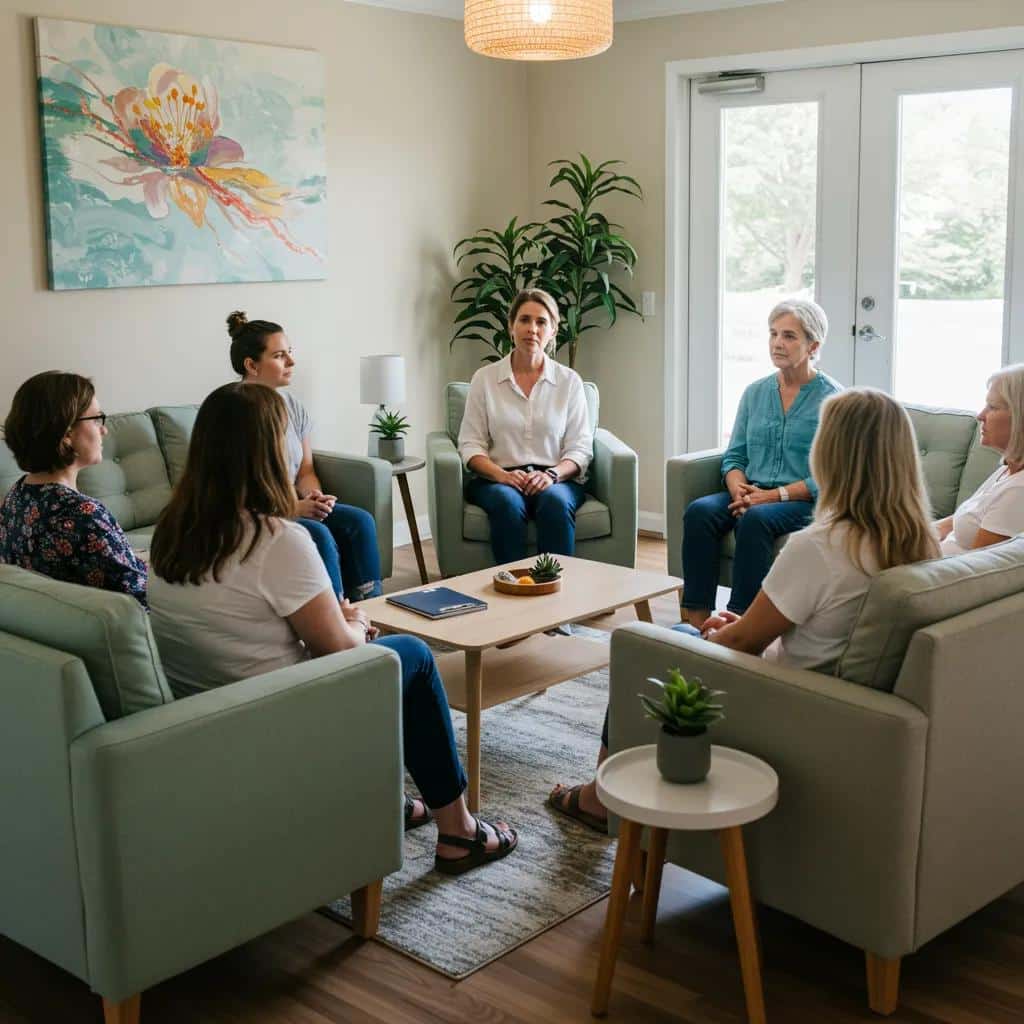
Women-only retreats are designed to provide a coordinated blend of clinical, psychiatric, and holistic services, all meticulously crafted to stabilize mood, reduce substance use, and gently treat trauma-related symptoms. Typical clinical services include thorough diagnostic assessment, individualized therapy utilizing proven methods like CBT and DBT, expert medication management, and specialized trauma therapies such as EMDR or trauma-focused CBT. Group formats are always gender-responsive, addressing relational patterns, parenting stressors, and relapse triggers commonly experienced by women. Essential support services—including case management, family sessions, comprehensive discharge planning, and vital connections to sober living—help translate the profound gains made in treatment into sustainable, thriving community recovery.
These vital service components work in seamless harmony through dedicated multidisciplinary teams, where therapists, medical staff, and case managers meticulously coordinate care planning and safety monitoring. For instance, a woman navigating a substance use disorder and PTSD may receive integrated individual trauma therapy, daily group processing, optimized medication management, and a dedicated case manager who thoughtfully arranges post-discharge sober living. This meticulous coordination significantly reduces fragmentation that can undermine recovery, and it beautifully sets the stage for step-down care, such as IOP or OP, as stabilization gracefully progresses. Understanding these comprehensive services empowers women to prioritize programs that combine clinical rigor with truly gender-responsive supports.
How Does Gender-Specific Care Significantly Improve Mental Health and Addiction Outcomes for Women?
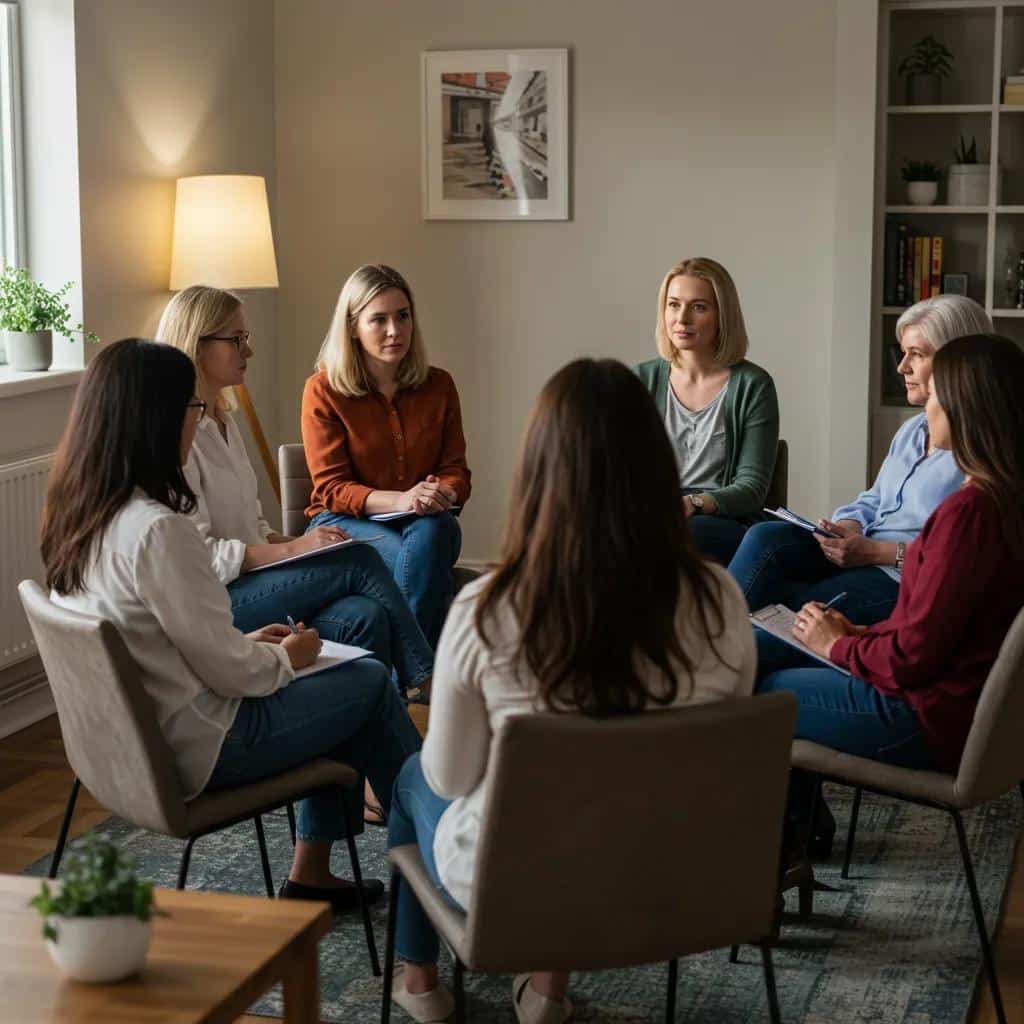
Gender-specific care profoundly improves outcomes by meticulously tailoring clinical content, group processes, and safety protocols to women’s unique lived experiences and biological considerations. Our programs thoughtfully adapt curricula to address trauma prevalence, co-occurring mood disorders, reproductive health influences, and the relational dynamics that so often shape women’s recovery trajectories. Clinically, ensuring that group norms and facilitator competence prioritize emotional safety significantly reduces drop-out rates and actively protects against re-traumatization. Peer cohesion within women-only settings naturally fosters deep trust, models healthy relationships, and strengthens coping skills and relapse prevention over time, leading to more lasting healing.
Practically, gender-specific programming may include invaluable parenting-focused groups, empowering psychoeducation about hormones and mood, and trauma-informed DBT modules that teach essential emotion regulation in relational contexts. These tailored features create profound relevance and immediacy in treatment content, significantly increasing engagement and retention. Recent studies and national behavioral-health guidance consistently emphasize that tailored approaches for women—especially those addressing trauma and dual diagnosis—yield superior adherence and functional outcomes. Recognizing these powerful mechanisms makes it easier for you to compare programs and confidently seek a retreat that perfectly aligns with your unique clinical and life needs.
“Trauma-Informed Care for Women’s Resilience and Mental Health”
>
“Research suggests promoting resilience among adults reduces behavioral risks, but requires intervention programming that (1) increases access to social support and formal services, (2) provides treatment for childhood trauma and other risk factors, and (3) provides a diverse array of individualized intervention options including addiction treatment. The impacts of adversity and trauma can be seen in men and women; however, women may be a uniquely vulnerable group due to experiencing disproportionately high rates of child abuse and other adverse childhood experiences (ACEs), as well as being particularly susceptible to physical and mental health outcomes. This chapter describes the prevalence and impact of trauma and ACEs on women and outlines strategies for trauma-informed programming to disrupt cascades of adversity and promote resilience.”
>
“Resilience in women: Disrupting cascades of adversity with trauma-informed practice, A Williams, 2020”
Research consistently highlights that trauma-informed care is absolutely crucial for fostering women’s resilience and mental health, underscoring the vital need for accessible social support, specialized treatment for childhood trauma, and a diverse array of individualized intervention options.
Which Types of Women’s Mental Health Retreat Programs Are Available in Orange County?
In Orange County, programs span a thoughtful spectrum of intensity, from day-based clinical programs to flexible outpatient care and deeply supportive residential options. Each is meticulously designed for varying levels of clinical need and unique life circumstances. Understanding the distinctions between Partial Hospitalization Programs (PHP), Intensive Outpatient Programs (IOP), Outpatient Programs (OP), residential treatment, and sober living will empower you to select the most appropriate entry point for your personal recovery journey. Below, we offer a clear comparison of these program types, their typical structure, and who benefits most from each compassionate model.
The following table thoughtfully summarizes common program types available to women, the level of care they represent, and the key benefits or populations they serve within a gender-specific framework.
Program Type
Level of Care
Key Benefits / Who It’s For
Partial Hospitalization Program (PHP) for Women
High-intensity day program (multi-hour daily treatment)
Ideal for women needing structured daily therapy while living at home or transitioning from inpatient care; supports dual diagnosis stabilization.
Intensive Outpatient Program (IOP) for Women
Moderate-intensity (several hours, multiple days/week)
Perfect for women balancing work/family who require regular clinical oversight and group therapy.
Outpatient Program (OP) for Women
Low-intensity (weekly sessions)
For women with stable symptoms needing ongoing therapy and medication management.
Women-Only Residential / Supportive Housing
24/7 Residential Support
Designed for women requiring structured living, enhanced safety, and integrated aftercare planning.
Women-Specific Sober Living
Transitional Housing with Peer Support
Supports women stepping down from higher care, needing accountability and community integration.
This clear comparison illuminates how intensity, schedule, and supports thoughtfully align with your clinical needs. Women with acute symptoms or active substance use often find their start in PHP, while those maintaining stability gracefully transition to IOP or OP. When comparing local options, always confirm essential program components such as trauma-informed DBT groups and integrated psychiatry to ensure seamless continuity of care on your path to wellness.
For those evaluating local providers, Sun County Wellness proudly offers multiple levels of care that perfectly map to the types above—PHP, IOP, OP, and sober living/supportive housing. We deeply emphasize gender-specific dual diagnosis treatment. Our compassionate model integrates evidence-based therapies with holistic practices to create truly individualized plans; we warmly encourage prospective patients to request admissions and insurance verification to confidently determine program fit and coverage.
What Are Partial Hospitalization Programs and Their Unique Benefits for Women?
A Partial Hospitalization Program (PHP) provides structured, day-long clinical care without requiring an overnight stay, delivering intensive therapy, expert medical oversight, and powerful group interventions. PHP is especially invaluable for women who need significant therapeutic intensity—such as those with recent psychiatric hospitalization, severe mood symptoms, or active substance use—but who must remain at home for vital caregiving or work responsibilities. Typical PHP schedules include multi-hour daily sessions, thoughtfully combining individual therapy, profound group processing, expert medication management, and essential skill-building groups. This intensity quickly stabilizes symptoms while preserving outpatient continuity and gracefully enabling transition to less intensive care once stability is achieved.
PHP’s thoughtful design powerfully supports dual diagnosis because it allows for integrated psychiatric and addiction-focused interventions every single day, ensuring precise medication adjustments and close monitoring of co-occurring conditions. For women with trauma histories, PHP can provide consistent, trauma-informed group work with daily opportunities for skills practice and vital safety planning. The program’s intensity effectively shortens acute symptom phases and significantly reduces the need for inpatient readmission, which beautifully helps preserve family roles and employment while comprehensively addressing clinical severity.
How Do Intensive Outpatient Programs and Outpatient Programs Empower Women’s Recovery?
Intensive Outpatient Programs (IOP) and Outpatient Programs (OP) differ mainly by hours and structure, yet both profoundly emphasize flexibility and community reintegration while delivering essential clinical care. IOPs typically run several hours a day across multiple days each week, thoughtfully combining group therapy, individual sessions, and vital relapse prevention work; they serve as a natural step-down from PHP or as an intensive outpatient option for moderate symptoms. OPs provide weekly therapy and psychiatry visits, focusing on maintenance, medication management, and crucial skill reinforcement for women who have achieved stability or are gracefully managing milder conditions.
These empowering programs enable women to beautifully balance treatment with parenting, employment, and daily responsibilities while maintaining crucial therapeutic momentum. IOP often includes supportive family sessions and dedicated case management to address childcare, housing, or employment barriers, and OP stays deeply connected to community supports and sober living when needed. For seamless continuum-of-care planning, our effective programs outline clear criteria for stepping up or down between IOP, OP, and residential supports, ensuring women always receive the right level of care at the right time on their journey.
What Mental Health and Addiction Conditions Are Compassionately Treated at Women’s Retreats in California?
Women’s retreats compassionately address a broad spectrum of mental health and substance use conditions, utilizing integrated, gender-specific approaches that deeply consider comorbidities and trauma histories. Commonly treated diagnoses include post-traumatic stress disorder (PTSD), anxiety disorders, major depressive disorder, bipolar disorder, obsessive-compulsive disorder (OCD), borderline personality disorder (BPD), and various substance use disorders (alcohol, opioids, stimulants). Programs specifically focused on dual diagnosis expertly coordinate psychiatric medication management with psychotherapy to address the intricate interplay between mood symptoms and substance use. The following lists thoughtfully outline typical conditions and clinical notes to guide your program selection.
Our programs consistently prioritize trauma as a central driver of comorbidity, recognizing that untreated PTSD significantly increases the risk for substance use and mood instability. Integrated treatment means that therapy thoughtfully targets both substance-related behaviors and underlying trauma or mood dysregulation simultaneously, leading to profoundly improved long-term outcomes. Our compassionate clinicians meticulously tailor interventions based on condition severity, crucial life-stage concerns (such as pregnancy or parenting), and medical needs, and they expertly coordinate care transitions into community-based supports and sober living when appropriate.
How Is Trauma-Informed Therapy Utilized for Women with PTSD and Related Disorders?
Trauma-informed therapy profoundly centers safety, trustworthiness, choice, collaboration, and empowerment to actively avoid retraumatization and gently facilitate deep recovery. Modalities commonly and effectively used for women include EMDR, trauma-focused CBT, and somatic therapies that compassionately address body-based responses to trauma; these approaches are delivered with careful pacing and stabilization before any exposure to traumatic memories. Trauma-informed principles thoughtfully guide group norms, consent processes, and clinical sequencing so that women with complex histories receive thorough preparation, essential skills training, and gradual processing rather than abrupt exposure. This gentle yet powerful approach significantly reduces dropout rates and increases readiness for deeper trauma work while preserving emotional safety and vital peer support structures.
Our therapists, deeply skilled in trauma-informed care, seamlessly integrate emotion regulation, grounding techniques, and relapse prevention into therapy plans to expertly manage triggers linked to substance use and self-harm. For pregnant or parenting women, trauma work also includes practical safety and parenting supports to ensure that gains beautifully translate into healthier family functioning. Emphasizing safety and choice profoundly empowers women to engage in treatment at a sustainable pace, which powerfully supports long-term recovery and significantly improves outcomes across co-occurring conditions.
What Are the Most Effective Treatments for Anxiety, Depression, Bipolar Disorder, OCD, and BPD in Women?
Effective treatment for these conditions thoughtfully combines evidence-based psychotherapy with careful psychiatric management, all meticulously tailored to women’s unique biological and psychosocial contexts. Cognitive Behavioral Therapy (CBT) stands as a front-line approach for anxiety and depression, expertly targeting maladaptive thoughts and behaviors with measurable skills and practical homework. Bipolar disorder profoundly benefits from mood-stabilizing medication overseen by expert psychiatry, coupled with vital psychoeducation and routine monitoring to prevent relapse. Obsessive-compulsive disorder often requires exposure and response prevention within a structured CBT framework, while Borderline Personality Disorder responds exceptionally well to Dialectical Behavior Therapy (DBT) that builds essential emotion-regulation, distress tolerance, and interpersonal effectiveness skills.
Medication decisions are made with deep consideration for reproductive health, hormonal influences, and potential pregnancy or breastfeeding, always with close coordination between psychiatry and primary care. Integrating psychotherapy with pharmacology and crucial social supports—such as case management, housing, and parenting resources—creates a truly comprehensive plan that addresses both symptoms and practical barriers to recovery. This coordinated approach significantly lowers symptom burden and powerfully promotes functional recovery in women navigating complex diagnostic presentations.
What Evidence-Based and Holistic Therapies Are Best for Women’s Mental Wellness Retreats?
High-quality women’s retreats thoughtfully integrate evidence-based psychotherapies with complementary holistic modalities to compassionately treat the whole person—mind, body, and social context. Core clinical therapies include Cognitive Behavioral Therapy (CBT), Dialectical Behavior Therapy (DBT), Eye Movement Desensitization and Reprocessing (EMDR), and trauma-focused CBT, each carefully selected based on your unique diagnosis and goals. Holistic treatments such as equine-assisted therapy, mindfulness-based stress reduction, nutritional counseling, and structured fitness programs powerfully support physiological regulation, stress resilience, and robust relapse prevention. This combined model beautifully leverages therapy mechanisms and experiential supports to produce durable, profound clinical change.
Below is a table that thoughtfully maps common therapies to their mechanisms and key clinical benefits for women, beautifully illustrating how combined approaches address specific needs.
Therapy
Mechanism
Key Clinical Benefit for Women
CBT
Cognitive restructuring and behavioral activation
Reduces anxiety and depressive symptoms; teaches practical coping skills.
DBT
Skills training in emotion regulation and interpersonal effectiveness
Decreases self-harm, improves relational stability, and supports SUD recovery.
EMDR
Bilateral stimulation with memory processing
Rapidly reduces trauma-related distress and intrusive symptoms.
Equine-Assisted Therapy
Nonverbal relational learning and trust-building
Enhances emotional regulation, reduces avoidance, and supports trauma recovery.
Mindfulness & Nutrition
Autonomic regulation and metabolic support
Lowers stress reactivity and stabilizes mood through positive lifestyle changes.
This mapping beautifully illustrates how evidence-based and holistic modalities profoundly complement each other: psychotherapy expertly restructures cognition and processes trauma, while experiential and lifestyle interventions firmly anchor gains in body-based regulation and healthy daily routines, ensuring lasting wellness.
How Do Cognitive Behavioral Therapy and Dialectical Behavior Therapy Empower Women?
CBT and DBT offer structured, skills-focused interventions that directly address the core mechanisms underlying many women’s mental health concerns. CBT expertly targets thought patterns and behavioral avoidance that maintain anxiety and depression, utilizing exposure and behavioral activation to gently restore functioning. DBT provides invaluable modules in mindfulness, distress tolerance, emotion regulation, and interpersonal effectiveness to effectively reduce self-destructive behaviors and profoundly improve relationship functioning—these are critical areas for women navigating BPD or co-occurring substance use. Both therapies are wonderfully adaptable to group formats common in retreats and can be delivered with gender-specific examples and modules that thoughtfully address caregiving stress and relational trauma.
Clinically, CBT significantly reduces symptom severity through measurable assignments and cognitive reframing, while DBT builds long-term coping capacity that powerfully prevents relapse and enhances social functioning. When seamlessly integrated with psychiatric medication and holistic supports like mindfulness and nutrition education, these therapies create a robust and enduring foundation for sustainable recovery. Our compassionate therapists often tailor homework and skills practice to real-world contexts such as parenting and workplace stress, which profoundly increases relevance and adherence, making your healing journey truly practical.
What Vital Role Do Holistic Treatments Like Equine Therapy, Mindfulness, and Nutrition Play?
Holistic treatments compassionately address physiological and relational systems that psychotherapy alone cannot fully remediate, profoundly promoting mind-body integration and deep resilience. Equine-assisted therapy beautifully facilitates nonverbal communication, trust-building, and embodied regulation, which is particularly helpful for women who have experienced relational trauma or find conventional talk therapy challenging. Mindfulness practices gently reduce stress reactivity, significantly improve emotional awareness, and powerfully support relapse prevention through present-moment skills. Nutritional counseling and exercise thoughtfully address metabolic contributors to mood and energy, beautifully supporting medication effects and cognitive function.
In practice, these transformative modalities are seamlessly woven into daily schedules—mindfulness sessions often precede group therapy to increase receptivity, equine sessions offer profound experiential processing between clinical groups, and nutrition education provides practical meal planning for lasting mood stability. These vital supports profoundly enhance clinical gains by improving sleep, reducing cravings, and strengthening physiological regulation, thereby making therapy outcomes more durable and beautifully transferable to your everyday life.
How Can Women Confidently Navigate Cost, Insurance, and Admissions for Mental Health Retreats in California?
Confidently navigating the complexities of cost and insurance for women’s mental health retreats requires proactive verification, organized documentation, and clear, compassionate communication with both your insurer and your chosen provider. Begin by identifying your likely insurance coverage, gathering your clinical records and a comprehensive medication list, and requesting personalized assistance from the facility’s dedicated admissions or insurance verification team. Many providers proudly offer insurance-assisted verification to confirm your benefits, explore out-of-network options, and identify any prior authorization requirements. Below, we’ve outlined concrete steps and insurer-specific guidance to streamline your admissions process, making it as smooth as possible.
The table below thoughtfully lists insurers often noted in local provider information and offers a practical verification step for each, emphasizing how to confirm coverage scope and authorization requirements before scheduling your intake.
Insurance Provider
Coverage Scope
Steps to Verify & Contact
Aetna
Behavioral health and SUD coverage varies by plan
Call member services to request mental health benefits; confirm in-network providers and prior authorization needs.
Anthem
Varies by state and plan; often requires medical necessity
Verify outpatient and PHP/IOP coverage; obtain authorization and any recommended documentation.
Blue Cross Blue Shield
Broad behavioral health networks with plan-specific rules
Check in-network program availability and referral requirements; request authorization if needed.
Cigna
Mental health and SUD coverage with managed care rules
Confirm in-network status, prior authorization processes, and out-of-network reimbursement options.
GEHA
Federal-employee focused plans with behavioral health benefits
Verify covered services and case management support for SUD or dual diagnosis.
Humana
Diverse plan options; coverage can include PHP/IOP
Request a benefits summary and prior authorization checklist from member services.
Magellan
Often manages behavioral health benefits on behalf of insurers
Contact Magellan if listed as your behavioral health administrator to confirm required clinical criteria.
UMR
Administrator for employer plans; coverage varies
Confirm your behavioral health administrator role and obtain pre-certification if required.
Which Insurance Providers Are Accepted for Women’s Mental Health and Addiction Treatment?
The insurers often noted in provider information include Aetna, Anthem, Blue Cross Blue Shield, Cigna, GEHA, Humana, Magellan, and UMR; please remember that coverage scope and prior authorization requirements will vary by your specific plan and state. When assessing a program’s insurance acceptance, it’s crucial to confirm whether the facility is in-network for your specific plan or if out-of-network benefits apply. Also, determine if preauthorization or specific clinical documentation is required for PHP, IOP, or residential services. We highly recommend requesting a written benefits summary and a clear explanation of your co-pay, deductible, and out-of-pocket maximums related to behavioral health services. Our facilities are here to help with verification and can compassionately coordinate with insurers to secure authorization based on your clinical needs.
Your verification process should thoughtfully include asking about mental health parity application, inpatient versus outpatient criteria, and any limits on days or session counts. If a third-party manager such as Magellan administers your behavioral health benefits, confirm their contact procedures to avoid any delays. Clear verification significantly reduces surprise costs and ensures women can truly focus on their healing journey rather than navigating billing disputes.
What Are the Steps to Verify Insurance and Begin Admissions at a Women’s Retreat?
- 1Gather your clinical records: obtain recent assessments, discharge summaries, and a medication list.
- 2Contact your insurer: call member services to confirm your behavioral health benefits and prior authorization requirements.
- 3Reach out to the facility’s admissions team: request insurance-assisted verification and ask what documents they need.
- 4Submit authorizations: work closely with the provider to submit medical necessity documentation and authorization requests.
- 5Schedule your clinical intake: once coverage is confirmed, arrange an assessment to finalize level-of-care decisions and start dates.
Following these clear steps significantly reduces delays and clarifies financial responsibility. Facilities that compassionately assist with verification can expedite authorizations and help arrange the perfect levels of care—be it PHP, IOP, OP, or supportive housing—once your clinical criteria are met, making your path to healing smoother.
Why Choose Sun County Wellness for Women’s Mental Health and Addiction Treatment in Orange County?
Sun County Wellness stands as a leading local example of a gender-specific dual diagnosis provider in Orange County, proudly combining evidence-based therapies with deeply holistic supports across multiple levels of care. Our program model profoundly emphasizes gender-specific treatment, truly integrated dual diagnosis services, and personalized care plans that gracefully span our Partial Hospitalization Program (PHP), Intensive Outpatient Program (IOP), Outpatient Program (OP), and sober living/supportive housing. Sun County Wellness holds esteemed accreditation and licensing, powerful signals that underscore our unwavering commitment to quality of care, including The Joint Commission Gold Seal of Approval and licensure by the Department of Health Care Services (DHCS), which provide external standards for your safety and our clinical excellence.
What truly distinguishes Sun County Wellness for dual diagnosis care is our coordinated psychiatry, deeply trauma-informed therapy groups, and seamless continuity into supportive housing and aftercare. These essential elements ensure women receive both expert psychiatric stabilization and addiction-focused interventions within a truly gender-responsive setting. Our program components typically include integrated individual and group therapy, meticulous medication management, enriching holistic offerings like mindfulness and nutrition, and dedicated case management to support smooth transitions to sober living. This integrated model perfectly aligns with current best practices for profoundly improving outcomes in women navigating co-occurring disorders.
What Unique Benefits Does Sun County Wellness Offer for Women’s Dual Diagnosis Care?
Sun County Wellness deeply emphasizes a gender-specific, integrated clinical approach that seamlessly combines expert psychiatry, trauma-focused psychotherapy, and substance use treatment into cohesive, personalized care plans. Our program elements include coordinated medication management, deeply trauma-informed DBT and EMDR groups, gender-specific relapse prevention curricula, and vital connections to supportive housing to ensure smooth recovery transitions. This integrated approach significantly reduces care fragmentation by keeping mental health and addiction treatment under a unified, expert clinical oversight team, which profoundly improves treatment adherence and outcomes for women with co-occurring disorders.
By thoughtfully designing groups and educational content specifically for women, our program directly addresses relational trauma, parenting challenges, and gendered stressors that commonly underlie dual diagnosis presentations. Our personalized care plans meticulously align therapeutic intensity with your life responsibilities and medical needs, and our continuity into sober living or outpatient care helps sustain your gains long after discharge. These practical elements beautifully create a clear pathway from stabilization to longer-term recovery that is deeply attuned to women’s clinical and social realities.
How Does Accreditation and Experienced Leadership Enhance Treatment Quality?
Accreditation by The Joint Commission and licensure by the Department of Health Care Services are powerful indicators that a program meets established standards for safety, clinical processes, and continuous quality improvement—these are absolutely crucial markers when evaluating any mental health retreat. These esteemed credentials signify documented procedures for meticulous clinical oversight, precise medication management, highly qualified staffing, and continuous monitoring of outcomes. Our experienced leadership, as proudly noted in our provider information, thoughtfully supports program design, comprehensive staff training, and unwavering fidelity to evidence-based practices, which together profoundly enhance reliability and ensure patient safety.
When comparing programs, confirming accreditation and leadership credentials helps validate claims about integrated care and trauma-informed practice, giving you peace of mind. Prospective patients should confidently ask about accreditation status, leadership roles, and how the facility compassionately assists with insurance verification and admissions to ensure transparent pathways into care. Facilities with clear quality signals and pragmatic admissions support significantly reduce barriers and increase the likelihood of timely, evidence-based treatment for women bravely seeking recovery.
Your Questions Answered: FAQs
What key factors should I consider when choosing a women's mental health retreat?
When thoughtfully selecting a women’s mental health retreat, consider crucial factors such as the program’s accreditation, the qualifications of the compassionate staff, and the diverse types of therapies offered. Look specifically for retreats that provide truly gender-specific care and trauma-informed approaches, as these can profoundly enhance your recovery outcomes. Additionally, carefully assess the retreat’s location, the level of care provided (e.g., PHP, IOP), and whether they offer enriching holistic therapies alongside traditional treatments. It’s also vital to inquire about insurance acceptance and the admissions process to ensure a smooth and reassuring entry into the program.
How can I best prepare for my stay at a women's mental health retreat?
Preparing for your stay at a women’s mental health retreat involves several thoughtful steps. First, gather necessary documents such as your medical records, a comprehensive list of medications, and all insurance information. Familiarize yourself with the retreat’s policies and what to expect during your stay, including daily schedules and the types of therapy sessions. It can also be incredibly helpful to set personal goals for your time at the retreat, focusing on what you truly hope to achieve in terms of mental health and recovery. Lastly, consider discussing your plans with a trusted friend or family member for additional, loving support.
What vital role do holistic therapies play in women's mental health retreats?
Holistic therapies play a truly vital role in women’s mental health retreats by compassionately addressing the mind-body connection and promoting overall well-being. These therapies, such as mindfulness practices, equine-assisted therapy, and nutritional counseling, beautifully complement traditional evidence-based treatments. They actively help reduce stress, enhance emotional regulation, and support physical health, which can be particularly beneficial for women bravely dealing with trauma or substance use disorders. By integrating holistic approaches, retreats aim to create a more comprehensive and empowering treatment plan that fosters long-term recovery and deep resilience.
Are there specialized programs for women with dual diagnosis at these retreats?
Yes, absolutely! Many women’s mental health retreats offer specialized programs for those with dual diagnosis, which refers to the co-occurrence of mental health disorders and substance use disorders. These programs typically integrate expert psychiatric care with therapeutic interventions meticulously tailored to address both issues simultaneously. By focusing on the intricate interplay between mental health and substance use, these retreats provide a more effective and holistic treatment approach, helping women achieve better outcomes and significantly reducing the risk of relapse. It’s essential to inquire about the specific dual diagnosis services offered when confidently selecting a retreat.
How can I determine if a women's mental health retreat is the right fit for me?
Determining if a women’s mental health retreat is the right fit for you involves thoughtfully assessing your specific needs and treatment goals. Consider crucial factors such as the severity of your mental health or substance use issues, your previous treatment experiences, and your comfort level with group therapy settings. Thoroughly research the retreat’s approach to care, including their dedicated focus on gender-specific and trauma-informed practices. Additionally, reaching out to the retreat for a personal consultation can provide invaluable clarity on whether their programs truly align with your recovery objectives and unique personal circumstances.
What can I expect during the admissions process for a women's mental health retreat?
The admissions process for a women’s mental health retreat typically involves several clear and supportive steps. Initially, you will need to provide personal information, your medical history, and insurance details. Many retreats proudly offer insurance verification assistance to clarify your coverage options. Following this, you may undergo a comprehensive assessment to determine the appropriate level of care based on your unique needs. This process may include compassionate interviews with clinical staff to discuss your treatment goals and expectations. Overall, the admissions process is thoughtfully designed to ensure a good and comfortable fit between you and the retreat’s empowering offerings.

Seeking Treatment? We Can Help
At Sun County Wellness, as an in-network provider we work with most insurance plans, such as:
If you or a loved one are struggling with mental health challenges or substance abuse, reach out to Sun County Wellness today. Our team of compassionate professionals is here to support your journey towards lasting well-being. Give us a call at 949-993-1149
Visit SAMHSA or contact us today for more inforamtion.