5 Star Rated Facility | 1000+ Lives Changed

Call Now | 949-828-0960

Equine Therapy Orange County
Women's Addiction and Mental Health Treatment Center in San Juan Capistrano, CA
Treatment Approach
Verify Insurance
Need to find out if we take your insurance? Call Us Today for verification.
Sun County Wellness offers Equine-Assisted Therapy in Orange County to help women process trauma, severe anxiety, and addiction. Guided by licensed clinical therapists, our outdoor horse therapy sessions bypass the pressure of traditional “talk therapy,” helping patients rebuild trust, emotional regulation, and self-confidence in a calming, natural environment.
Equine Therapy Orange County: A Comprehensive Guide to Healing Through Horse-Assisted Interventions
In recent years, equine therapy has gained widespread recognition for its unique ability to foster emotional growth and healing. This specialized form of therapy, widely practiced in Orange County, utilizes horses to support mental health treatment and personal development, offering a distinct and impactful alternative to traditional therapeutic modalities. By addressing emotional issues, behaviors, and mental health challenges, equine therapy provides patients with the tools needed to navigate life more effectively. Additionally, equine therapy serves as an effective disorder treatment, addressing a range of mental health issues such as depression, anxiety, and eating disorders.

What is Equine Therapy?
Equine therapy is a form of treatment that uses interactions with horses to support emotional health, promote effective communication, and develop essential coping skills. Often included in mental health treatment programs, equine therapy helps individuals work through anxiety disorders, mood disorders, behavior disorders, and co-occurring mental disorders.
Equine therapy sessions take place in an outdoor environment, which helps individuals feel more grounded and connected during the healing journey. Equine Assisted Activities and Therapies (EAAT) include horseback riding, adaptive riding programs, and experiential therapies, all guided by a qualified team of mental health professionals, including therapists and riding instructors. This comprehensive approach supports emotional regulation, builds self-confidence, and encourages personal development.
Horses respond to non-verbal cues, making them powerful emotional mirrors. This response provides deep insight into human emotions, especially during equine-assisted services that focus on uncovering underlying emotional barriers. These interactions are beneficial for individuals struggling with substance use disorders, alcohol addiction, trauma, and co-occurring mental health conditions.
Definition and Overview
Equine Assisted Therapy (EAT) is a transformative form of therapy that leverages the unique bond between humans and horses to foster emotional growth, learning, and healing. This therapeutic modality is a collaborative effort between a licensed clinical therapist and a certified equine-assisted therapy counselor. Together, they guide individuals through interactions with horses to address a variety of mental health issues, including depression, anxiety, eating disorders, and addiction. The core idea behind EAT is that horses, with their intuitive and sensitive nature, can act as powerful catalysts for emotional healing and personal development. By engaging in equine-assisted activities, individuals can gain valuable insights into their emotions and behaviors, paving the way for meaningful change and recovery.
Rehabilitation can put an end to mental health
Call and ask the facility directly or call your own provider to determine if your insurance covers the treatment.
How it Differs from Traditional Therapy
Equine Assisted Therapy stands apart from traditional therapy in several significant ways. Firstly, EAT sessions typically take place in a natural, outdoor setting, which can be more calming and relaxing than the confines of a traditional office. The serene environment helps individuals feel more at ease, enhancing the therapeutic process. Secondly, the presence of horses introduces a unique dynamic that encourages non-verbal communication and emotional expression. Unlike traditional therapy, which often relies heavily on verbal dialogue, EAT allows individuals to communicate and connect with horses through body language and subtle cues.
This experiential and hands-on approach involves activities such as grooming, feeding, and riding horses, making therapy sessions more engaging and interactive. These elements combine to create a holistic and immersive therapeutic experience that can be particularly beneficial for those who may struggle with conventional treatment methods.
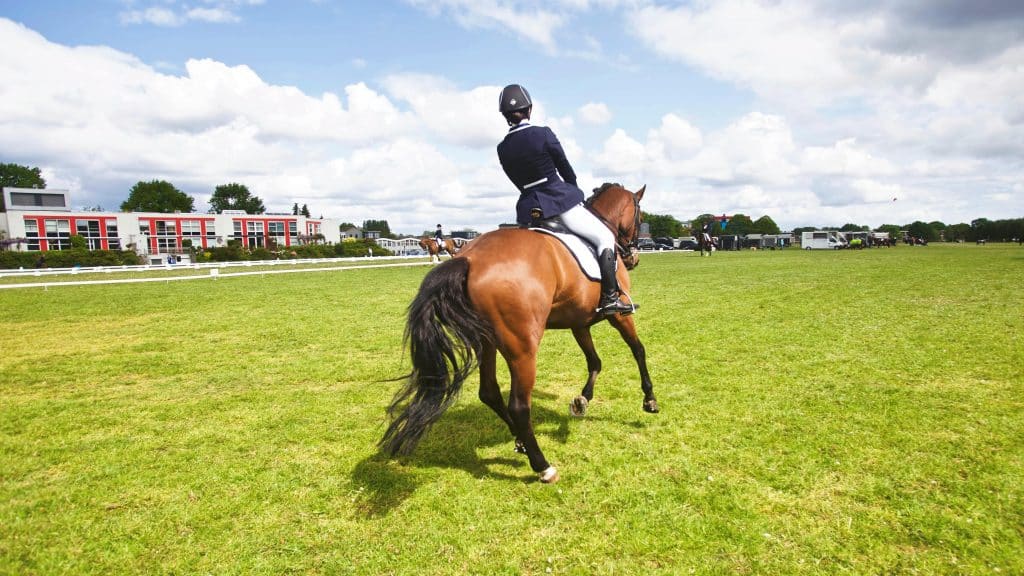
The Importance of Equine Therapy in Orange County
Orange County is home to numerous equine therapy programs that cater to children, teens, and adults seeking innovative approaches to mental health and well-being. The county’s serene landscapes create an ideal setting for therapeutic riding and equine-assisted activities. From Huntington Beach to inland areas, equine therapy programs provide a supportive environment where patients can engage in therapy sessions designed to achieve specific goals such as emotional awareness, social skills, and self-esteem enhancement.
Equine therapy’s popularity in Orange County stems from its ability to integrate seamlessly into broader mental health treatment plans. These programs address conditions such as bipolar disorder, substance use, and trauma. They are effective in disorder treatment, addressing a range of mental health issues including depression, anxiety, and eating disorders. By incorporating horses into therapy sessions, patients can experience a holistic, experiential form of healing that fosters lasting recovery and well-being. The natural surroundings of Orange County further enhance the therapeutic process, offering a peaceful and calming atmosphere that facilitates deeper emotional engagement.
Common Equine Therapy Techniques
Equine therapy in Orange County encompasses various therapeutic modalities tailored to meet the diverse needs of patients. Here are some popular techniques:
Equine-Assisted Psychotherapy (EAP): This approach focuses on addressing emotional and behavioral challenges through structured interactions with horses, guided by licensed therapists. These sessions often include activities like leading horses through obstacle courses, which encourage problem-solving and emotional resilience.
Therapeutic Riding: Patients engage in riding horses to improve physical coordination, balance, and emotional resilience. The rhythmic motion of riding has been shown to have a calming effect on the nervous system.
Grooming and Care: Activities like grooming and feeding horses foster a sense of responsibility, nurturing a deep bond between the individual and the animal. These interactions also encourage mindfulness and presence, allowing patients to focus on the task at hand.
Non-Verbal Communication Exercises: Horses’ sensitivity to emotions encourages patients to develop awareness of their own non-verbal cues and improve communication skills. This is especially beneficial for individuals who struggle with expressing themselves verbally.
Team-Building Activities: Collaborative tasks involving horses promote teamwork, leadership skills, and problem-solving abilities. These exercises often mirror real-life challenges, providing patients with practical tools to navigate social and professional settings.
Emotional Awareness Drills: Activities designed to help patients identify and understand their emotions in the moment are a key component of equine therapy. By reflecting on their interactions with horses, patients gain valuable insights into their emotional triggers and responses.
Equine-assisted therapy is also an effective disorder treatment, addressing a range of mental health issues such as depression, anxiety, and eating disorders through structured interactions with horses.
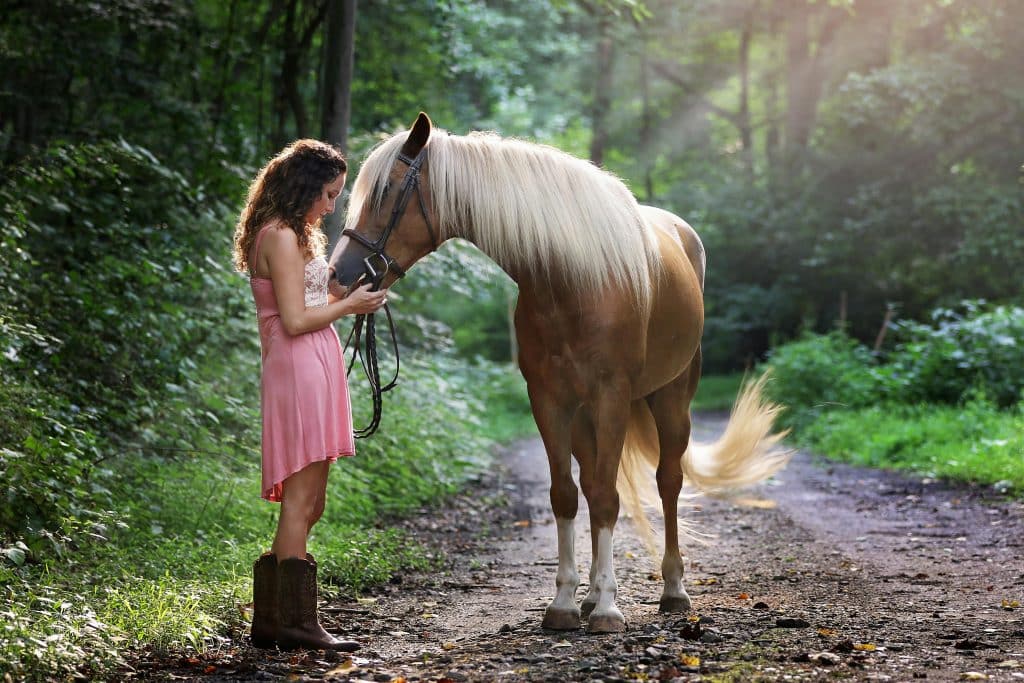
The Benefits of Equine Assisted Therapy
Emotional Regulations
Interacting with horses helps patients develop better control over their emotions, reducing stress and promoting a sense of calm. This is particularly beneficial for those coping with anxiety or trauma.
Improved Mental Health
Equine-assisted psychotherapy supports individuals dealing with mental health issues, providing a non-verbal communication channel to express feelings and behaviors. This form of therapy has been shown to be effective in treating disorders such as depression and post-traumatic stress disorder (PTSD).
Disorder Treatment
Equine-assisted therapy is effective in addressing a range of mental health issues, including depression, anxiety, and eating disorders. It serves as a collaborative approach alongside traditional clinical treatment, focusing on emotional growth and the resolution of underlying behavioral issues.
Enhanced Self-Esteem
Grooming and riding horses build confidence and self-esteem, offering a sense of accomplishment and purpose. These activities encourage individuals to step outside their comfort zones and embrace new challenges.
Social Skills Development
Equine-assisted activities teach leadership skills, teamwork, and empathy, all of which are vital for social interactions. By working collaboratively with horses, patients learn to communicate effectively and build meaningful relationships.
Physical Benefits
Beyond emotional growth, equine therapy also promotes physical health by improving balance, coordination, and overall body awareness through therapeutic riding.
The Therapeutic Relationship
Emotional Mirror and Non-Verbal Communication
One of the most profound aspects of Equine Assisted Therapy is the horse’s ability to mirror the emotions of the individuals working with them. This mirroring effect provides a unique opportunity for emotional expression and awareness. As individuals interact with horses, they can observe how the horse responds to their emotional states, gaining valuable insights into their own feelings and behaviors. This process helps individuals become more aware of their emotional triggers and learn how to manage them more effectively.
Additionally, since horses communicate primarily through body language and subtle cues, individuals are encouraged to develop and refine their non-verbal communication skills. This can be particularly beneficial for those who struggle with verbal expression, as it opens up new avenues for emotional connection and understanding.

Building Trust and Connection
Building a relationship with a horse requires trust, patience, and consistency. Horses do not judge and provide a safe space for individuals to explore their feelings. This unconditional acceptance can be incredibly healing for those who have experienced trauma or have difficulty trusting others. As individuals work with horses, they learn to approach the animals with calmness and clarity, fostering a sense of trust and connection. This process can be deeply therapeutic, as it allows individuals to experience a genuine and non-judgmental relationship. The skills and emotional resilience developed through this bond can translate to other areas of their lives, helping them build healthier and more trusting relationships with people.
Sense of Accomplishment and Confidence
“Horses act as powerful emotional mirrors. Because they respond instantly to your non-verbal cues and energy, they provide a safe, non-judgmental space to explore feelings you might not yet have the words to describe.”
Equine Therapy for Addiction Treatment
Equine therapy is increasingly recognized as a valuable component of addiction treatment programs in Orange County. It addresses the underlying emotional issues that contribute to substance abuse, such as low self-esteem, unresolved trauma, and anxiety. By incorporating equine-assisted psychotherapy and equine-assisted activities, addiction treatment programs foster emotional regulation, confidence, and a sense of connection.
Some of the common equine therapy techniques used in addiction treatment include:
Emotional Awareness: Helping patients recognize and understand their emotions, reducing the likelihood of relapse. Horses’ immediate feedback to patients’ actions provides a unique opportunity for self-reflection and growth.
Building Self-Confidence: Engaging in therapeutic riding and horse care enhances self-esteem and promotes a sense of achievement. These activities encourage individuals to take pride in their progress.
Stress Reduction: Interacting with horses provides a calming effect, which is essential for managing cravings and triggers during recovery. The presence of horses offers a grounding experience that helps patients remain focused on their recovery goals.
Breaking Behavior Patterns: Equine therapy allows patients to identify and alter negative behavior patterns that contribute to substance abuse, fostering healthier coping mechanisms.
The Role of Equine Therapists in Orange County
Equine therapists in Orange County are qualified therapists with experience in equine services, behavioral health, and emotional care. These professionals incorporate common forms of equine-assisted services, such as therapeutic riding, grooming, and groundwork, into personalized, evidence-based care plans. Working closely with each patient, they focus on behavior patterns, emotional issues, and essential skills needed for long-term wellness.
Equine therapists are part of a larger treatment team that may also include qualified healthcare professionals, counseling centers, and clinical teams. They guide individuals through bi-weekly individual therapy sessions, daily group therapy sessions, and extensive family therapy, promoting collaborative relationships and a safer experience. Their role is essential in helping patients build emotional regulation, self-confidence, and a resilient person ready to face life’s challenges.
Why Choose Equine Therapy?
Choosing equine therapy in Orange County offers a comprehensive path to mental and emotional wellness. It provides an integrative approach to treatment that blends physical experiences, emotional healing, and individualized care. This addiction treatment approach is ideal for individuals managing mental health crises, trauma, substance abuse recovery, or the chains of addiction.
Equine therapy includes types of equine therapy that target specific needs. It supports individuals with anxiety, individuals with disabilities, and those dealing with milder addictions or more severe facets of addiction. Whether someone is in recovery from alcohol addiction or facing ongoing emotional distress, the power of horses and the guidance of a trained therapist can bring psychological healing and a newfound sense of control.
Seeking Treatment?
FAQ's For Equine Therapy
Does insurance cover equine therapy?
What are the downsides of equine therapy?
Is equine therapy worth it?
What is the success rate of equine therapy?
Our Women's Treatment Facility
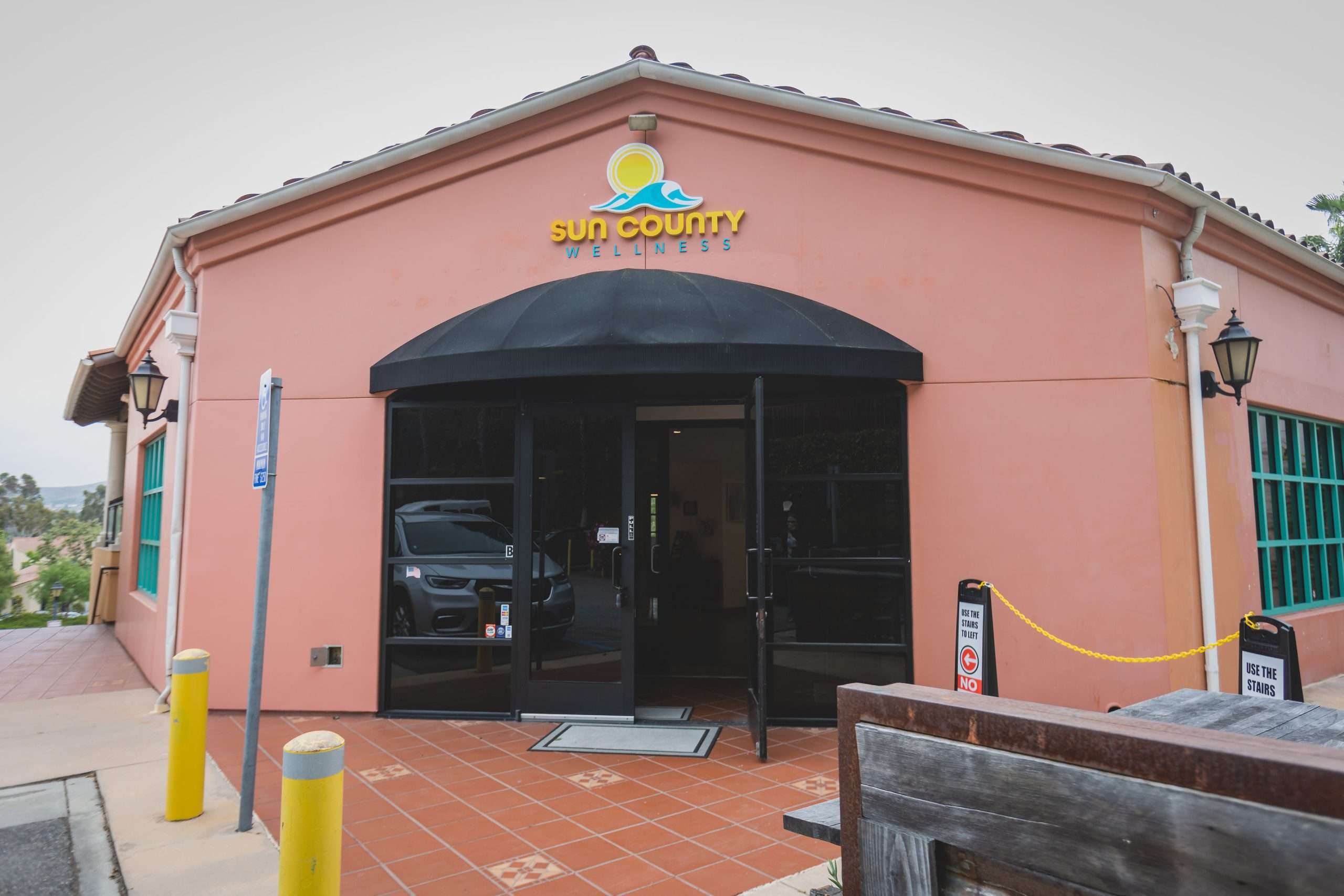
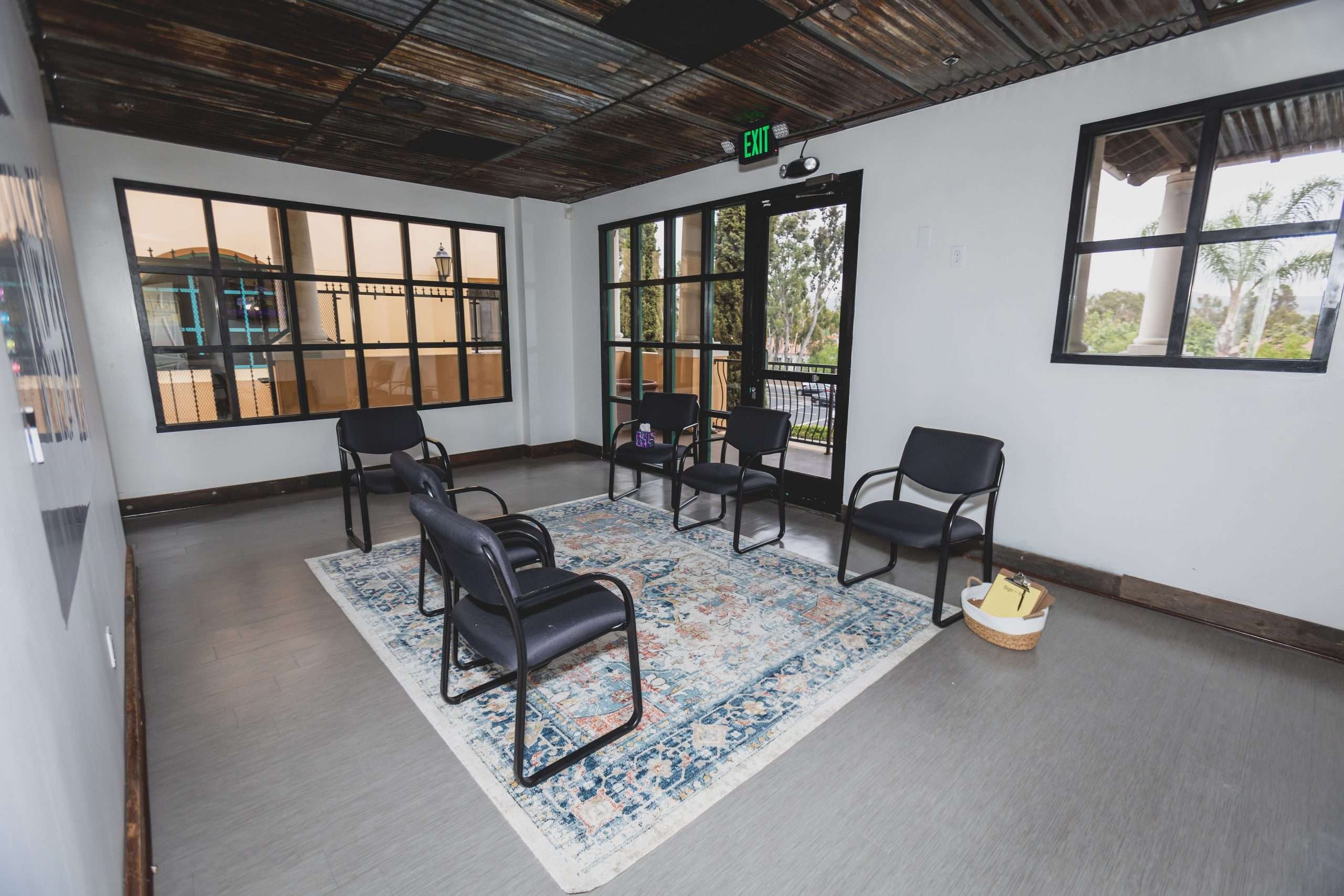
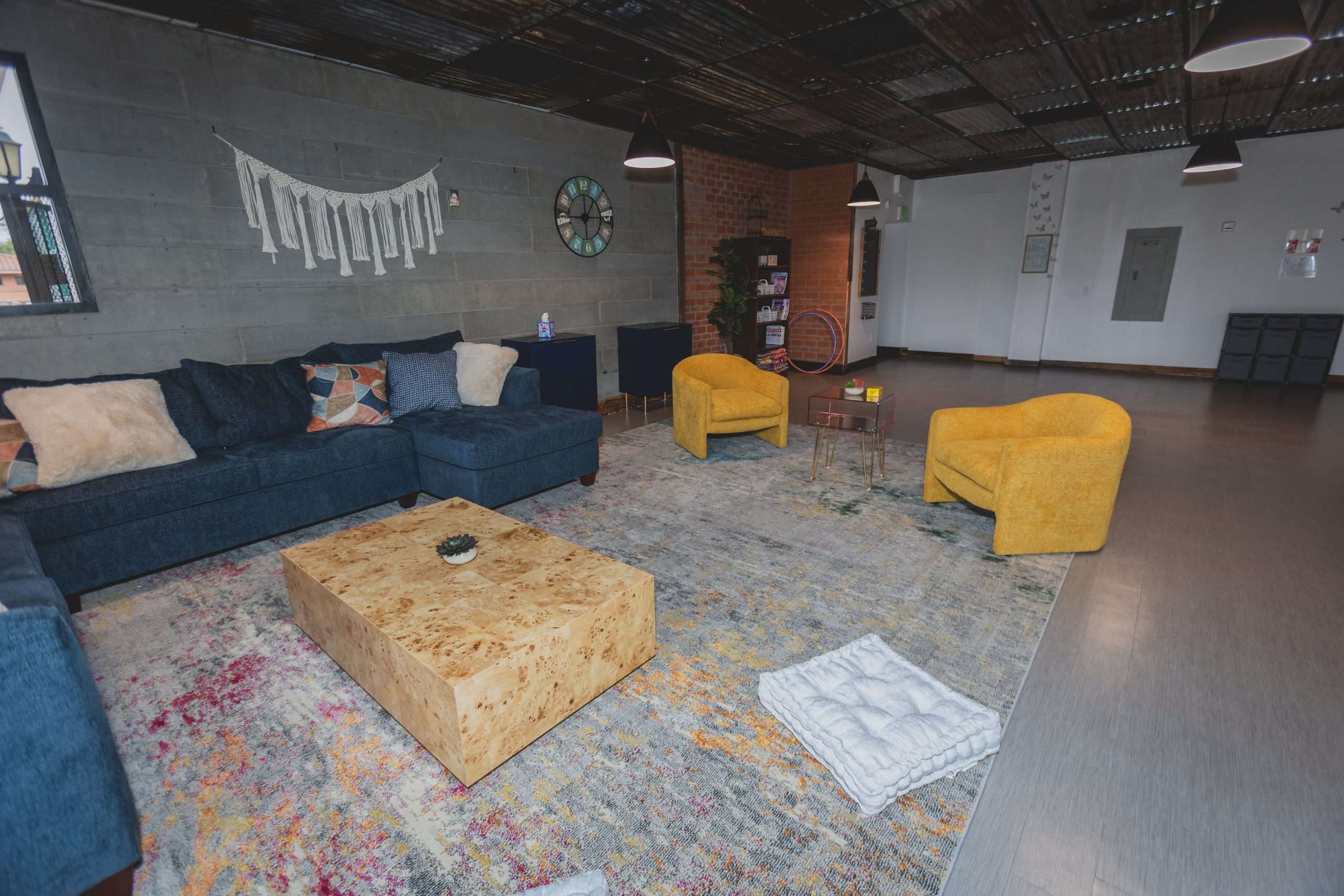

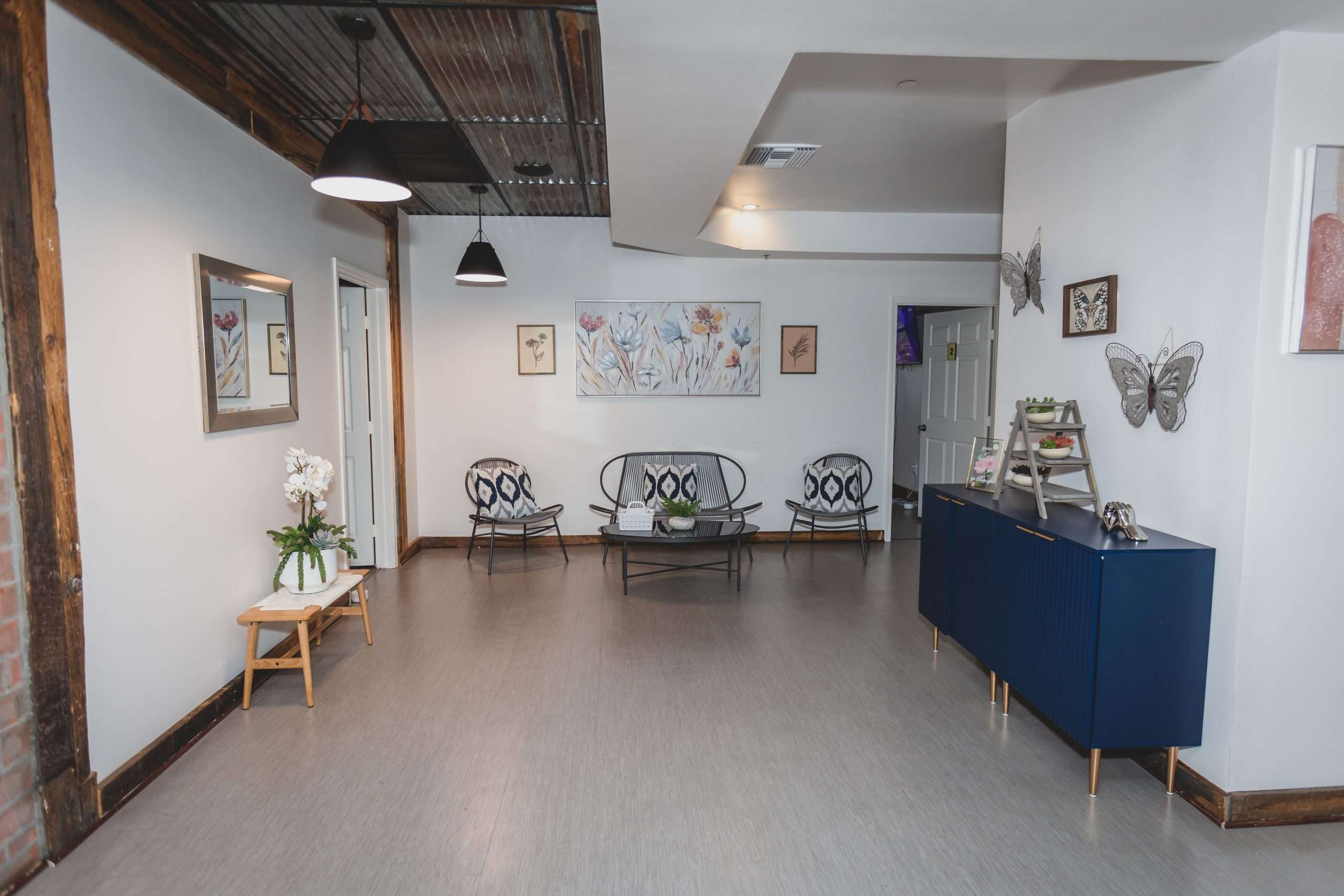

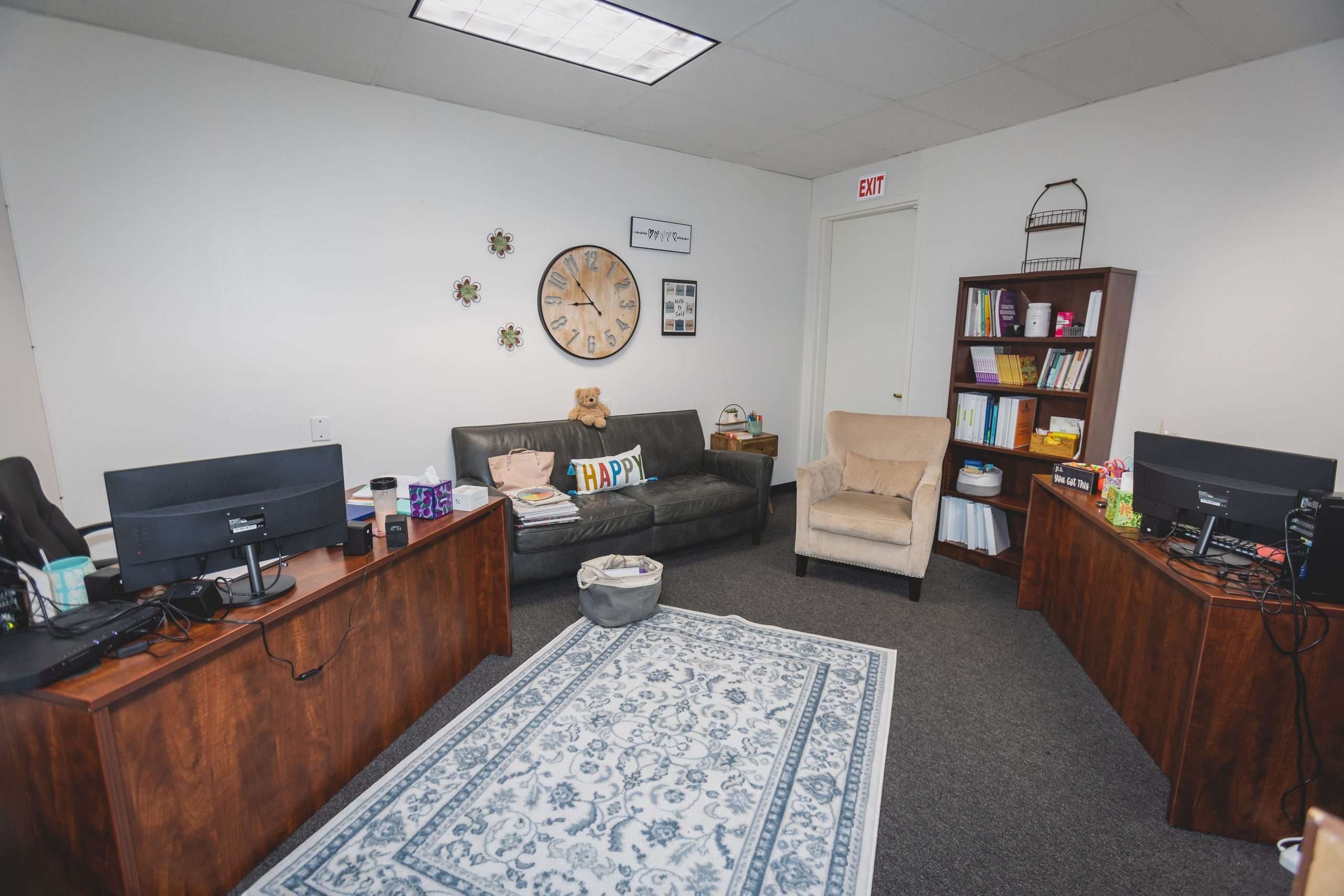

Locating Our Addiction Treatment Center For Women
John Wayne Airport (SNA)
- Distance: Approximately 21 miles
- Directions:
- Head northeast on N Airport Way.
- Use the right lane to take the ramp to CA-55 S.
- Merge onto CA-55 S.
- Take exit 5A for I-405 S toward San Diego.
- Keep left at the fork and merge onto I-405 S.
- Take exit 8 for CA-73 S toward San Diego (Toll Road).
- Merge onto CA-73 S (Toll Road).
- Take exit 5 for Greenfield Dr.
- Turn left onto Rancho Viejo Rd.
- Turn right onto Ortega Hwy.
- Sun County Wellness will be on the left.
Los Angeles International Airport (LAX)
- Distance: Approximately 61 miles
- Directions:
- Head east on World Way.
- Use the right 2 lanes to take the I-405 S ramp.
- Merge onto I-405 S.
- Take exit 8 for CA-73 S toward San Diego (Toll Road).
- Merge onto CA-73 S (Toll Road).
- Take exit 5 for Greenfield Dr.
- Turn left onto Rancho Viejo Rd.
- Turn right onto Ortega Hwy.
- Sun County Wellness will be on the left.
Long Beach Airport (LGB)
- Distance: Approximately 47 miles
- Directions:
- Head south on Donald Douglas Dr.
- Take the ramp to I-405 S.
- Merge onto I-405 S.
- Take exit 8 for CA-73 S toward San Diego (Toll Road).
- Merge onto CA-73 S (Toll Road).
- Take exit 5 for Greenfield Dr.
- Turn left onto Rancho Viejo Rd.
- Turn right onto Ortega Hwy.
- Sun County Wellness will be on the left.
San Diego International Airport (SAN)
- Distance: Approximately 64 miles
- Directions:
- Head northwest on N Harbor Dr.
- Use the left 2 lanes to take the ramp onto I-5 N.
- Continue on I-5 N.
- Take exit 81 for CA-74/Ortega Hwy.
- Turn right onto CA-74 E/Ortega Hwy.
- Sun County Wellness will be on the right.