5 Star Rated Facility | 1000+ Lives Changed

Call Now | 949-828-0960

Somatic Symptom and Related Disorders
Women's Addiction and Mental Health Treatment Center in San Juan Capistrano, CA
What We Treat
Verify Insurance
Need to find out if we take your insurance? Call Us Today for verification.
Mental health is a critical part of overall health care, yet many patients experience conditions that are often misunderstood. Among these is a group of disorders known as Somatic Symptom and Related Disorders (SSRD), which include somatic symptom disorder, conversion disorder, hypochondriasis, and factitious disorder. At Sun County Wellness, we recognize the prevalence and significant impact of these disorders, which can cause pain, shortness of breath, headache, nausea, and other physical symptoms without clear findings on physical examination or neuroimaging.

Shedding Light on Somatic Symptom and Related Disorders
Somatic Symptom and Related Disorders (SSRDs) often intertwine mental health and physical health, creating symptoms that confuse both the patient and the clinician. SSRDs are listed in the Diagnostic and Statistical Manual of Mental Disorders published by the American Psychiatric Association, and they are often linked to stress, anxiety disorders, major depressive disorder, and even past sexual abuse or childhood trauma. Understanding these disorders improves quality of life and helps guide health care, coping, and treatment decisions.
The main SSRDs include:
Somatic Symptom Disorder (SSD): People with SSD report pain, fatigue, or shortness of breath that cannot be fully explained by a physical examination or laboratory findings. The risk factors include stress, neglect, and comorbid mood disorders. Treatment by a mental health professional, such as a psychiatrist or psychologist, often includes medication like antidepressants, stress management, and addressing behavior patterns.
Illness Anxiety Disorder (Hypochondriasis): Patients fear serious disease despite reassurance from a primary care physician. This condition is associated with anxiety, depression, and panic disorder. Screening tools like the Patient Health Questionnaire help clinicians assess the severity.
Conversion Disorder: A dramatic presentation of neurological symptoms like seizure, blindness, or paralysis, without clear cause, also known as functional neurological symptom disorder. Studies using neuroimaging have explored links to dissociation, mood, and psychosocial stressors.
Other Specified Somatic Symptoms and Related Disorder: A catch-all for conditions that don’t fully meet criteria for other SSRDs but impact health, lifestyle, and daily functioning.
SSRDS can also co-occur with personality disorders, bipolar disorder, schizophrenia, dementia, postpartum depression, or generalized anxiety disorder. Other related conditions include factitious disorder imposed on self or another, malingering, false pregnancy, delusional disorder, gender dysphoria, and body dysmorphic disorder.
Rehabilitation can put an end to mental health
Call and ask the facility directly or call your own provider to determine if your insurance covers the treatment.
The Hidden Impact of Misdiagnosing SSRD
Misunderstanding SSRD isn’t just about incorrect labels. The repercussions are multi-faceted:
- Emotional Turmoil: Constant doubt, worry, and feelings of being misunderstood can lead to anxiety and depression.
- Financial Drain: Repeated, often expensive, medical tests, treatments, and missed work can strain personal finances.
- Interpersonal Challenges: Personal relationships may be tested, and workplace misunderstandings can arise when others fail to recognize the gravity of SSRD.

Self-Reflection: Could You Be Experiencing SSRD?
Recognizing the signs of somatic symptom disorder (SSRD) can feel overwhelming. You may notice persistent pain, headache, shortness of breath, or other symptoms despite normal physical examinations. You may wonder if your concerns reflect an underlying disease or mental disorder, or if they relate to anxiety, depression, or stress.
At Sun County Wellness, we encourage awareness. SSRD is recognized by the American Psychiatric Association and outlined in the Diagnostic and Statistical Manual of Mental Disorders. It often coexists with conditions like anxiety disorder, major depressive disorder, conversion disorder, hypochondriasis, factitious disorder, personality disorder, bipolar disorder, schizophrenia, psychosis, and postpartum depression. Risk factors include childhood trauma, sexual abuse, substance abuse, alcohol use, dementia, and unemployment.
A Holistic Approach to Treatment
Successfully navigating SSRD often requires an amalgamation of various therapeutic approaches:
- Extended Psychotherapy: Delve deeper into your concerns, understand your symptoms, and chart out a healing journey with a trained professional.
- Medication Management: Ensuring that any prescribed medicines, whether antidepressants or anti-anxiety pills, are optimized for your unique needs.
- Alternative Therapies: Holistic treatments like acupuncture, chiropractic care, or even naturopathy might offer relief to some individuals.
- Group Therapy and Workshops: Immersing yourself in a supportive environment where experiences are shared can provide both solace and practical coping strategies.
- Educational Sessions: Understanding the intricacies of your condition can empower you to make informed decisions about your health.
Seeking Treatment?
FAQs About Somatic Disorder
Do genetics play a role in SSRD?
While there’s no definitive “SSRD gene,” familial patterns suggest a potential genetic predisposition coupled with environmental factors.
Can SSRD coexist with other mental health conditions?
Yes, it’s not uncommon for individuals with SSRD to also experience conditions like depression, anxiety, or even PTSD.
Are there preventive measures for SSRD?
While no surefire prevention exists, early intervention, managing stress, and maintaining a robust support system can be protective.
How do cultural perceptions influence SSRD?
Cultural norms and beliefs can impact how symptoms are perceived, expressed, and addressed. It’s essential to approach SSRD with cultural sensitivity.
What's the prognosis for someone with SSRD?
Many individuals can lead fulfilling lives with appropriate intervention and management, though the journey and duration might differ for each person.
Our Women's Treatment Facility

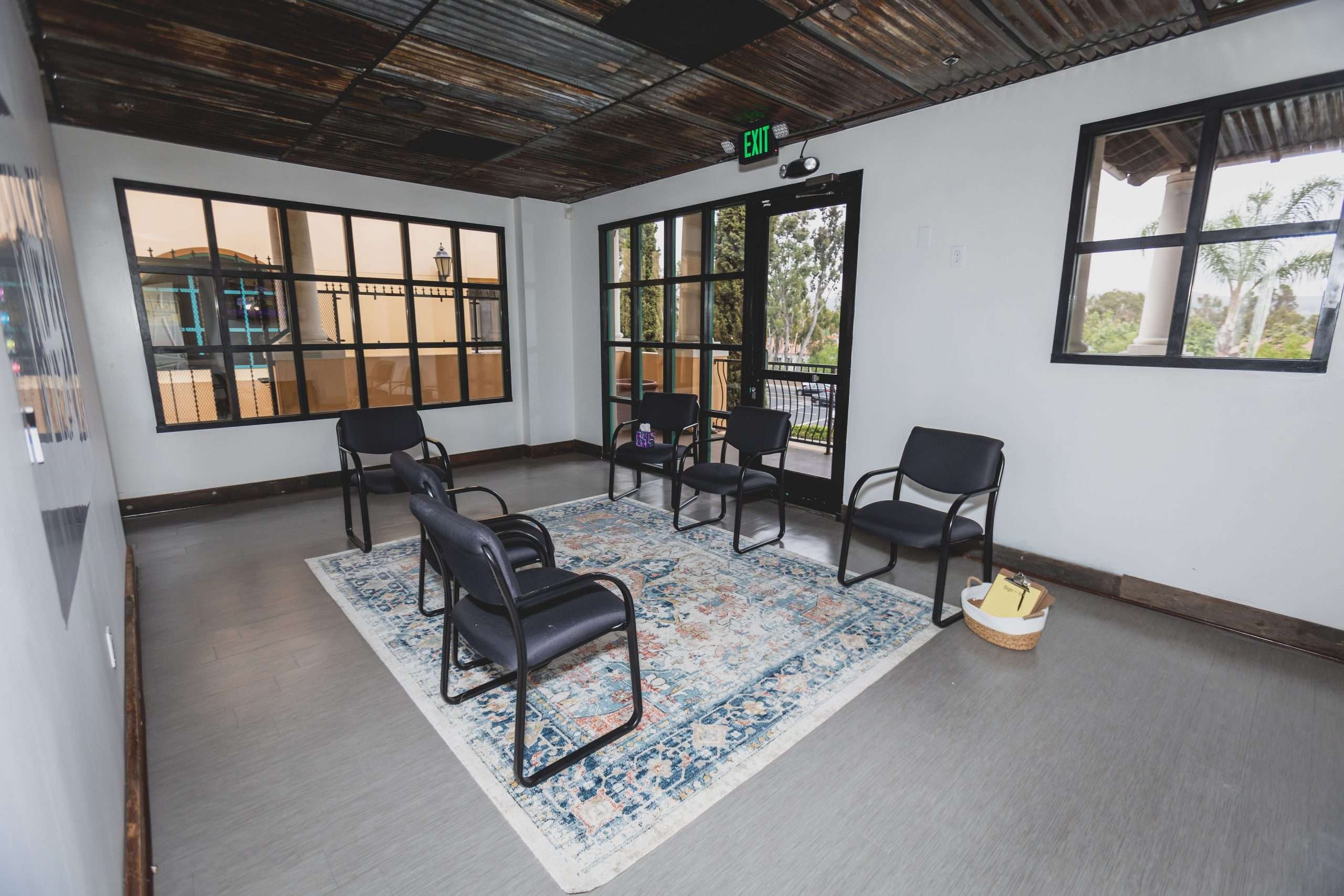
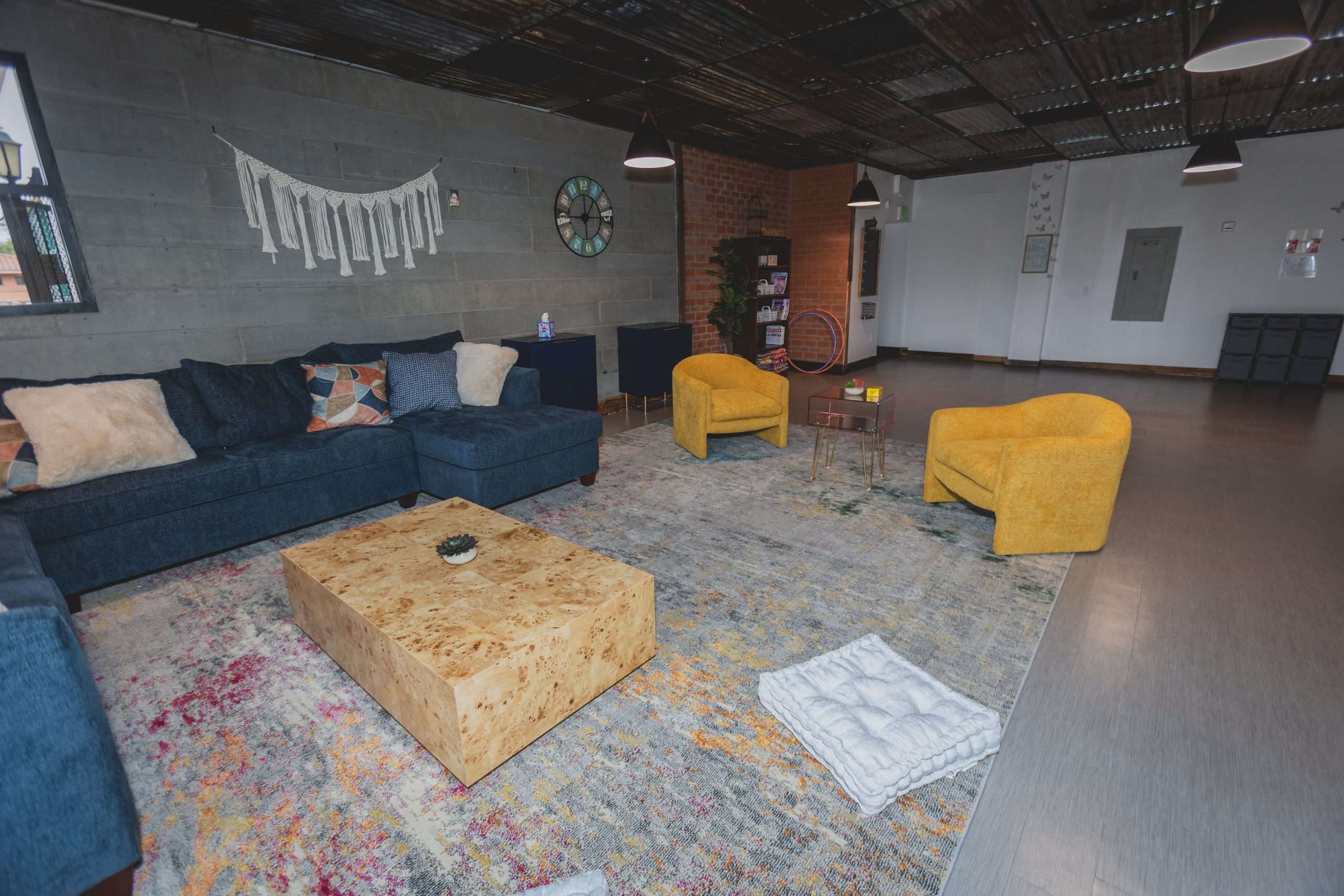

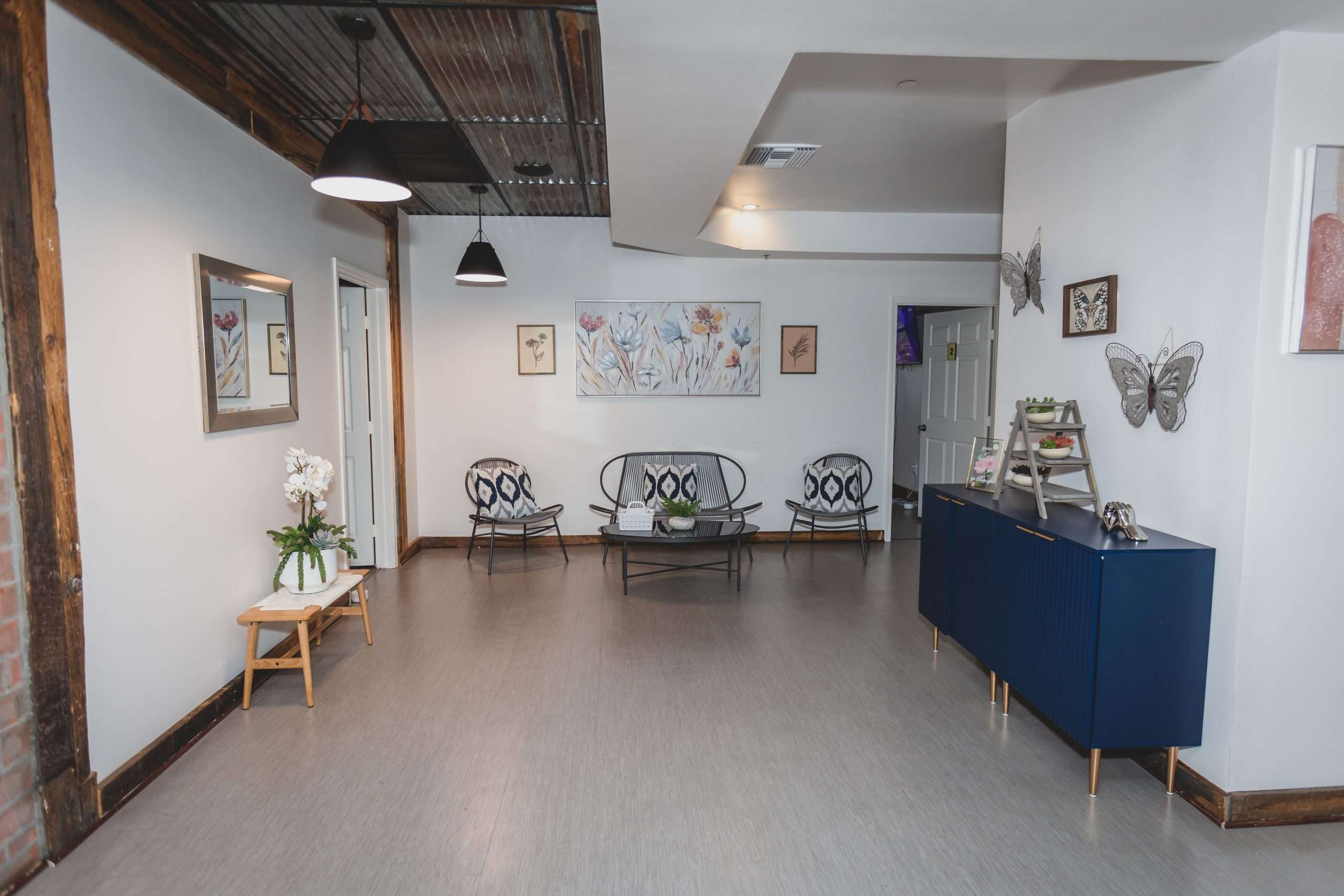



Locating Our Addiction Treatment Center For Women
John Wayne Airport (SNA)
- Distance: Approximately 21 miles
- Directions:
- Head northeast on N Airport Way.
- Use the right lane to take the ramp to CA-55 S.
- Merge onto CA-55 S.
- Take exit 5A for I-405 S toward San Diego.
- Keep left at the fork and merge onto I-405 S.
- Take exit 8 for CA-73 S toward San Diego (Toll Road).
- Merge onto CA-73 S (Toll Road).
- Take exit 5 for Greenfield Dr.
- Turn left onto Rancho Viejo Rd.
- Turn right onto Ortega Hwy.
- Sun County Wellness will be on the left.
Los Angeles International Airport (LAX)
- Distance: Approximately 61 miles
- Directions:
- Head east on World Way.
- Use the right 2 lanes to take the I-405 S ramp.
- Merge onto I-405 S.
- Take exit 8 for CA-73 S toward San Diego (Toll Road).
- Merge onto CA-73 S (Toll Road).
- Take exit 5 for Greenfield Dr.
- Turn left onto Rancho Viejo Rd.
- Turn right onto Ortega Hwy.
- Sun County Wellness will be on the left.
Long Beach Airport (LGB)
- Distance: Approximately 47 miles
- Directions:
- Head south on Donald Douglas Dr.
- Take the ramp to I-405 S.
- Merge onto I-405 S.
- Take exit 8 for CA-73 S toward San Diego (Toll Road).
- Merge onto CA-73 S (Toll Road).
- Take exit 5 for Greenfield Dr.
- Turn left onto Rancho Viejo Rd.
- Turn right onto Ortega Hwy.
- Sun County Wellness will be on the left.
San Diego International Airport (SAN)
- Distance: Approximately 64 miles
- Directions:
- Head northwest on N Harbor Dr.
- Use the left 2 lanes to take the ramp onto I-5 N.
- Continue on I-5 N.
- Take exit 81 for CA-74/Ortega Hwy.
- Turn right onto CA-74 E/Ortega Hwy.
- Sun County Wellness will be on the right.