5 Star Rated Facility | 1000+ Lives Changed

Call Now | 949-828-0960

Personality Disorders In Women
Women's Addiction and Mental Health Treatment Center in San Juan Capistrano, CA
What We Treat
Verify Insurance
Need to find out if we take your insurance? Call Us Today for verification.

Understanding Personality Disorders In Women
Types of Personality Disorders:
Common personality disorders among women include:
Borderline Personality Disorder (BPD): Characterized by intense emotions, unstable relationships, and impulsive behaviors.
Narcissistic Personality Disorder: Marked by an inflated sense of self-importance and a deep need for admiration.
Histrionic Personality Disorder: Associated with overly emotional behaviors and a strong desire for attention.
Dependent Personality Disorder: Involves excessive reliance on others for emotional and physical needs.
Obsessive-Compulsive Personality Disorder: Focused on orderliness, perfectionism, and control, differing from obsessive-compulsive disorder.
Antisocial Personality Disorder: Often manifests by the age of 11 and is more frequently diagnosed in men, including traits typically associated with masculinity.
Schizoid Personality Disorder: Characterized by a lack of interest in social relationships and emotional coldness, with accurate peer reporting being crucial for assessment.
Each of these personality disorders presents unique challenges, yet all significantly impact daily life and relationships.
Symptoms of Personality Disorders
Personality traits influence the symptoms of personality disorders, which often include:
Emotional instability and intense emotions.
Difficulties in maintaining close relationships.
Impulsive behaviors and self-harm.
Fear of abandonment or rejection.
Persistent feelings of emptiness or low self-esteem.
Recognizing these symptoms is a vital step in seeking treatment.
How Are Personality Disorders Diagnosed?
Diagnosing personality disorders requires a comprehensive evaluation by a mental health professional, including:
Structured Clinical Interviews: Utilizing tools like the Diagnostic and Statistical Manual (DSM) to assess symptoms. Paranoid personality disorders are often discussed in relation to gender roles, where individuals who do not conform to conventional gender norms may be perceived as more eccentric and demonstrate features associated with this disorder.
Reviewing Medical and Family History: To identify genetic or environmental risk factors.
Assessing Emotional and Behavioral Patterns: Including potential co-occurring conditions such as anxiety or depression.
Treatment Options for Personality Disorders
1. Psychotherapy
Psychotherapy is the cornerstone of treatment:
Dialectical Behavioral Therapy (DBT): Effective for borderline personality disorder, focusing on managing intense emotions and improving interpersonal skills.
Cognitive Behavioral Therapy (CBT): Helps individuals identify and change harmful thought patterns.
Psychodynamic Therapy: Explores unconscious emotions and their influence on behavior
2. Medication
While there are no specific medications for personality disorders, certain prescriptions can help manage symptoms like depression, anxiety, or mood swings:
Antidepressants for mood regulation.
Mood stabilizers to reduce impulsivity and emotional instability.
3. Lifestyle Changes and Support
Integrating healthy habits into daily life can enhance overall mental health:
Regular physical activity and balanced nutrition.
Building strong support networks with family members and peers.
Practicing coping strategies to handle stress and avoid emotional isolation.

Borderline Personality Disorder in Women
Borderline personality disorder (BPD) is one of the most studied mental disorders in women. It is classified under Axis II in the DSM-IV borderline personality disorder criteria and is often influenced by environmental factors, cultural factors, and parenting styles.
Symptoms of BPD include:
- Frantic efforts to avoid abandonment, often leading to defensive responses and emotional responses that strain relationships.
- Unstable interpersonal relationships, characterized by borderline traits, histrionic features, and a consistent pattern of emotional instability.
- Impulsive behaviors, such as substance abuse, unsafe sex, and adverse behaviors, which indicate poor impulse control.
- Emotional instability and a strong fear of rejection, often contributing to shallow emotions and symptoms of anxiety.
Understanding gender differences in BPD symptoms can guide diagnosis of personality disorder and create tailored treatment approaches. Research from the American Psychiatric Association suggests that women with BPD often meet dependent personality disorder criteria or present with Cluster C personality traits. Many individuals with BPD also meet the criteria for personality disorders listed in the 10 DSM-IV personality disorders and DSM-III-R personality disorder criteria.
Managing Personality Disorders
Rehabilitation can put an end to mental health
Call and ask the facility directly or call your own provider to determine if your insurance covers the treatment.
Risk Factors and Co-Occurring Conditions
Certain factors increase the risk of developing personality disorders, such as:
- Trauma: Childhood experiences of child abuse, childhood sexual abuse, or verbal abuse can contribute to the development of personality disorders.
- Genetic Predisposition: A family history of psychiatric disorders, mood disorders, or endocrine disorders can increase vulnerability.
- Environmental Stressors: Factors like unstable family dynamics, financial relationships, or dysfunctional patterns in upbringing play a role.
Dependent personality disorder, borderline personality disorder, and histrionic personality disorder are more frequently diagnosed in individuals assigned female at birth. This may be influenced by reports of gender roles and Sex Roles, where traits associated with feminine behaviors, excessive agreeableness, and Difficulty with relationships contribute to higher diagnoses in women. The association between gender role expectations and psychiatric disorders has been widely studied, showing that people with personality disorders may struggle with antisocial personality traits, dependent personality traits, and pathological personality traits.
Personality disorders frequently co-occur with anxiety disorders, bipolar disorders, and schizotypal personality disorder, often leading to erratic behaviors, risky behavior, and dangerous behaviors. Many disorder patients also experience self-harming behavior, reckless driving, and physical fights, highlighting the need for impulse control interventions and treatment of patients with co-occurring conditions.

Conclusion
Seeking Treatment?
FAQs About Personality Disorder
What are personality disorders?
Personality disorders are mental health conditions that impact emotions, behavior, and relationships, requiring professional evaluation and treatment. Examples include borderline personality disorder and paranoid personality disorder.
What are the most common personality disorders in women?
Common personality disorders in women include borderline personality disorder, dependent personality disorder, histrionic personality disorder, and paranoid personality disorder.
Can personality disorders be treated?
Yes, treatment often involves psychotherapy, medication, and lifestyle adjustments. Psychotherapy provides individuals with tools to manage emotions, improve relationships, and address underlying causes of the disorder. Medications can help alleviate co-occurring symptoms such as anxiety or depression. Lifestyle changes, including regular exercise, stress management, and establishing a strong support network, also play a critical role in enhancing mental well-being. Treatment plans are typically tailored to each individual’s needs, ensuring a comprehensive approach to recovery.
What are the symptoms of BPD in women?
Symptoms include intense emotions, impulsive behaviors, fear of abandonment, and unstable relationships.
How can family members support loved ones with personality disorders?
By fostering understanding, attending therapy sessions, and encouraging healthy coping strategies, family members can play a crucial role in recovery.
What are antisocial personality disorders and how do they differ by gender?
Antisocial personality disorders are more commonly diagnosed in males and often show symptoms early in life, such as disregard for others’ rights and aggressive behavior. In contrast, other personality disorders, like borderline personality disorder, tend to affect females more frequently and may manifest differently.
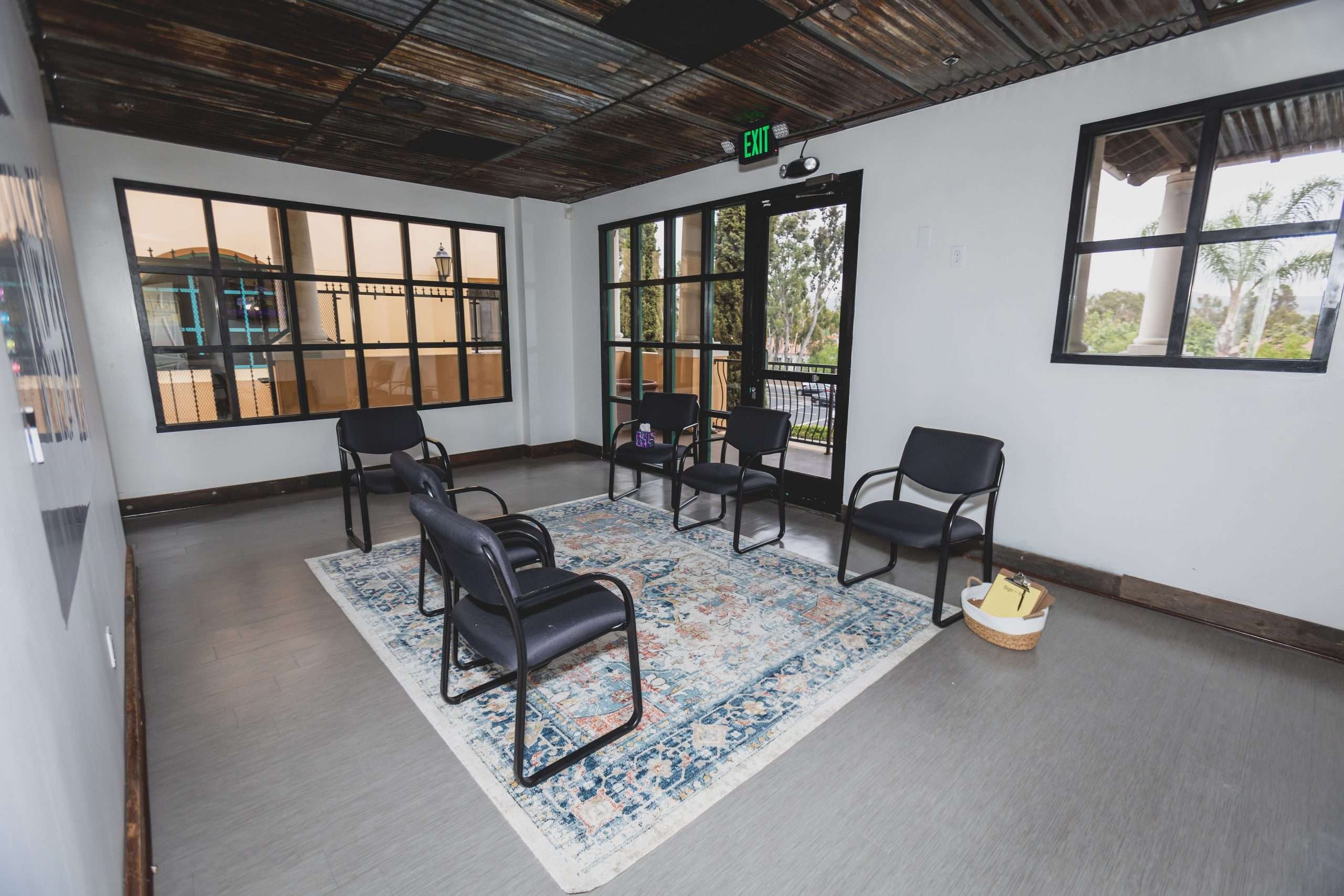
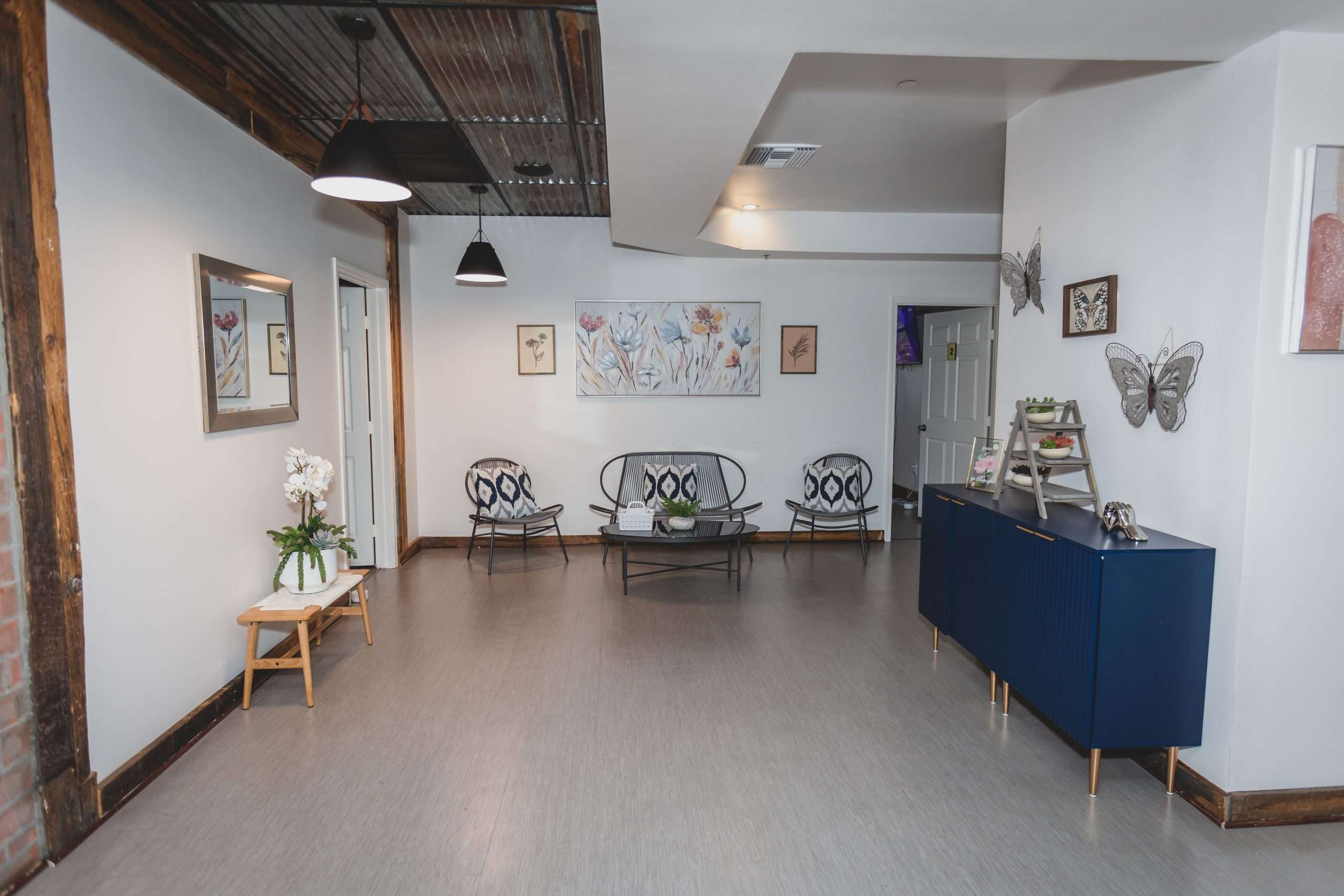
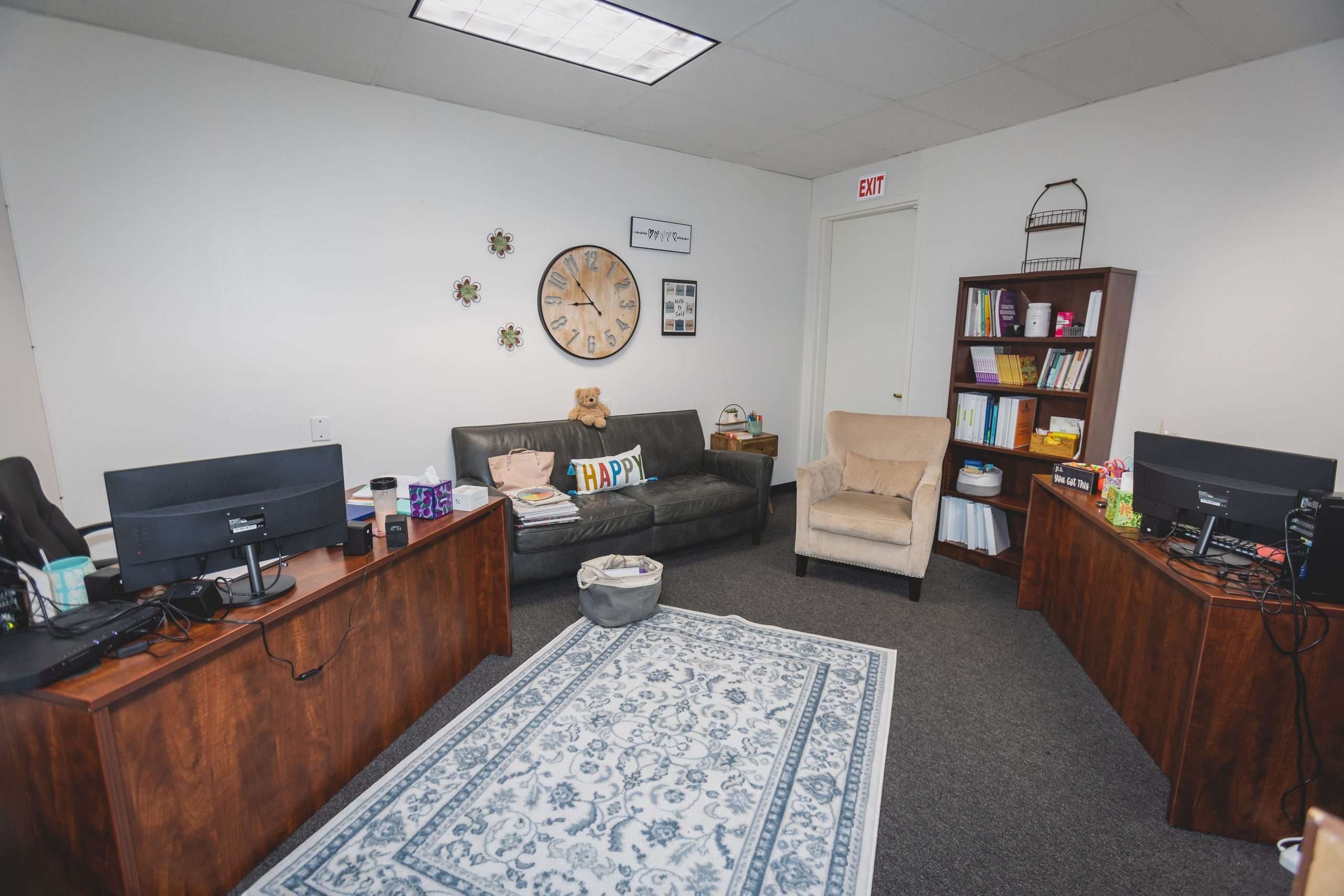
Our Women's Treatment Facility





Locating Our Addiction Treatment Center For Women
John Wayne Airport (SNA)
- Distance: Approximately 21 miles
- Directions:
- Head northeast on N Airport Way.
- Use the right lane to take the ramp to CA-55 S.
- Merge onto CA-55 S.
- Take exit 5A for I-405 S toward San Diego.
- Keep left at the fork and merge onto I-405 S.
- Take exit 8 for CA-73 S toward San Diego (Toll Road).
- Merge onto CA-73 S (Toll Road).
- Take exit 5 for Greenfield Dr.
- Turn left onto Rancho Viejo Rd.
- Turn right onto Ortega Hwy.
- Sun County Wellness will be on the left.
Los Angeles International Airport (LAX)
- Distance: Approximately 61 miles
- Directions:
- Head east on World Way.
- Use the right 2 lanes to take the I-405 S ramp.
- Merge onto I-405 S.
- Take exit 8 for CA-73 S toward San Diego (Toll Road).
- Merge onto CA-73 S (Toll Road).
- Take exit 5 for Greenfield Dr.
- Turn left onto Rancho Viejo Rd.
- Turn right onto Ortega Hwy.
- Sun County Wellness will be on the left.
Long Beach Airport (LGB)
- Distance: Approximately 47 miles
- Directions:
- Head south on Donald Douglas Dr.
- Take the ramp to I-405 S.
- Merge onto I-405 S.
- Take exit 8 for CA-73 S toward San Diego (Toll Road).
- Merge onto CA-73 S (Toll Road).
- Take exit 5 for Greenfield Dr.
- Turn left onto Rancho Viejo Rd.
- Turn right onto Ortega Hwy.
- Sun County Wellness will be on the left.
San Diego International Airport (SAN)
- Distance: Approximately 64 miles
- Directions:
- Head northwest on N Harbor Dr.
- Use the left 2 lanes to take the ramp onto I-5 N.
- Continue on I-5 N.
- Take exit 81 for CA-74/Ortega Hwy.
- Turn right onto CA-74 E/Ortega Hwy.
- Sun County Wellness will be on the right.