5 Star Rated Facility | 1000+ Lives Changed

Call Now | 949-828-0960

Understanding Stimulants
Women's Addiction and Mental Health Treatment Center in San Juan Capistrano, CA
Substance Abuse
Verify Insurance
Need to find out if we take your insurance? Call Us Today for verification.
Call Now for Addiction Treatment
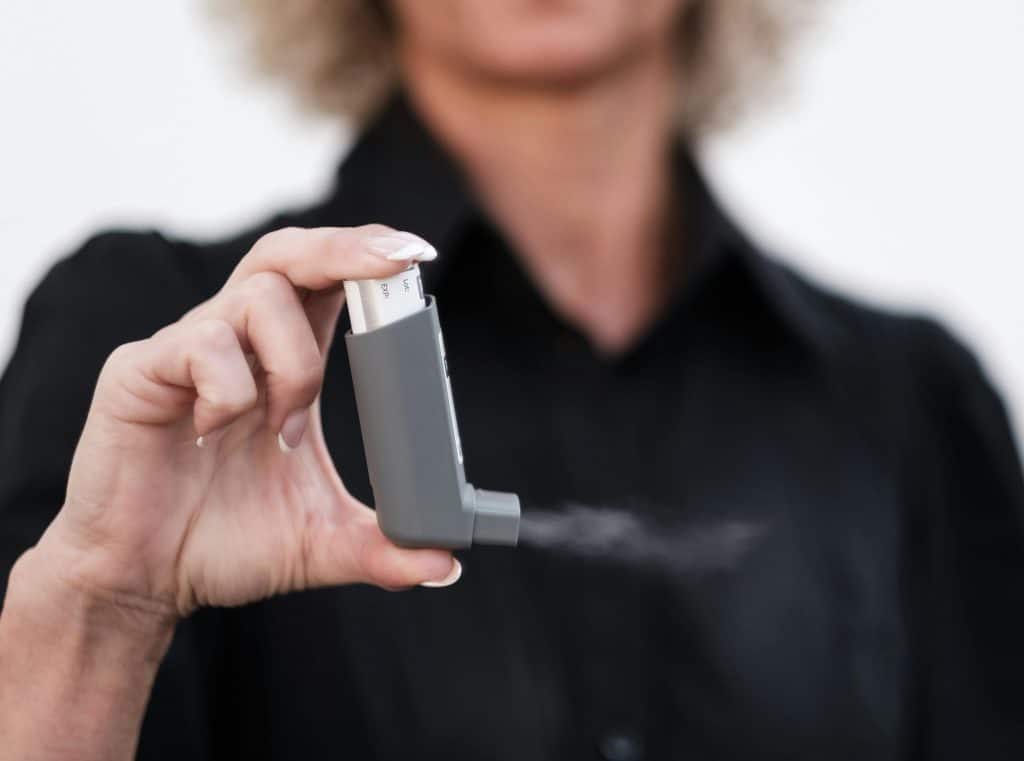
Stimulants, colloquially known as uppers, are substances specifically designed to elevate alertness, energy, and activity. Prescribed for several conditions impacting the nervous system, these drugs hold therapeutic potential. Yet, their misuse can catapult individuals into a challenging vortex of addiction, characterized by a myriad of physical and psychological side effects.
The Core Essence of Stimulants
So, what exactly are these stimulants? By definition, stimulants boost brain activity, prompting a release of certain neurotransmitters which in turn lead to heightened attention, alertness, and energy levels. Their consumption isn’t restricted to swallowing a pill. Smoking, snorting, or injecting are alternative methods, each accompanied by its set of risks, which potential users need to be wary of.
Unveiling the Brain Mechanics
Stimulants, in their essence, are like a shot of adrenaline for the brain. They accomplish this by quickly releasing neurotransmitters such as dopamine. This action results in a temporary acceleration of both brain and body functions. However, the coin has a flip side. Chronic use can pave the way for a deficit in the brain’s natural reservoir of dopamine, serotonin, and can even precipitate neuron loss.
A Peek into the Vast World of Stimulants
- Caffeine: The morning elixir for many, found in our beloved coffee and certain sodas. While it kickstarts our day, it also has the potential to lead one down the path of addiction, causing notable withdrawal symptoms.
- Nicotine: The silent assailant predominantly present in tobacco products. Beyond its addictive nature, it’s a significant contributor to health hazards worldwide.
- Cocaine: A product of the Coca bush, when abused, it opens the door to a plethora of severe psychological and physiological challenges.
- Methamphetamine (Meth): This illegal entity is a potent and addictive substance, and its overdose has devastating consequences.
- Prescription Stimulants: Medications like Adderall and Ritalin, meant to be healing agents for ADHD patients, can be a double-edged sword. When misused, they can usher in a host of complications.
Decoding the Path to Stimulant Addiction
The allure of the dopamine surge that stimulants offer can be hard to resist. With regular use, an increased tolerance sets in, thereby setting the stage for dependency and eventual addiction. Early detection is key. By recognizing the signs of addiction, intervention can begin, potentially reversing the course.
Rehabilitation can put an end to mental health
Call and ask the facility directly or call your own provider to determine if your insurance covers the treatment.
Unraveling the Underlying Causes
Both genetic and environmental influences play their part in this intricate dance of addiction:
- Genetic Predisposition: An individual’s genes, especially if there’s a family history, can predispose them to addiction.
- Environmental Triggers: Surroundings matter. Growing up in an environment where drug misuse is rampant, or being in high-stress professional spaces, can amplify the chances of succumbing to addiction.
Identifying Signs of Addiction
Recognizing the symptoms early can be lifesaving:
- Behavioral Indicators: Patterns of deception, seeking multiple prescriptions, frequenting online drug portals, exhibiting heightened energy, etc.
- Physical Manifestations: Appetite shifts, pronounced jitteriness, palpitations, drastic weight fluctuations, etc.
- Cognitive Symptoms: Hyper-alert sensory perception, bouts of confusion, increasing paranoia, vivid hallucinations, etc.
- Psychosocial Changes: Intense anxiety, mood oscillations, bouts of aggression, inflated self-worth, etc.
Navigating Treatment
Detoxification often emerges as the first step in the healing journey from any addiction. Under the vigilant eye of professionals, addicts gradually decrease their drug intake, mitigating withdrawal symptoms’ severity. While medications may offer temporary relief, therapeutic interventions, counseling, and group sessions often have more profound, lasting impacts.
Call Sun County Wellness Today!
At Sun County Wellness, we deeply understand the intricate layers enveloping addiction. Our approach, thus, is multifaceted, embracing both the individual and their community. If you or someone dear is embroiled in the web of substance abuse, please don’t hesitate to reach out to us. Your journey to healing can begin today.
Seeking Treatment?
Frequently Asked Questions
1.What's the difference between "legal" and "illegal" stimulants?
Legal stimulants are usually prescribed by medical professionals for specific health conditions, such as ADHD. They are governed by strict regulations. On the other hand, illegal stimulants, like methamphetamine or certain forms of cocaine, are prohibited due to their high potential for abuse and harmful side effects.
2. Can someone become addicted even if they take stimulants as prescribed?
Yes. Even when taken as directed, there’s a potential for dependence, especially if used over extended periods. It’s crucial to work closely with healthcare professionals and report any unusual symptoms or cravings.
3. How do I know if someone close to me is abusing stimulants?
Look for both behavioral and physical signs. This can include deceptive behavior, sudden bouts of energy, drastic changes in appetite, sleep disturbances, and rapid or erratic speech. If you notice these signs, it’s essential to approach the situation with understanding and seek professional help.
4. Are there any long-term side effects of using stimulants?
Yes, chronic use of stimulants can lead to a range of health issues, including heart complications, respiratory problems, cognitive impairments, and mental health disorders like depression and anxiety.
5. What should I do if I believe I have a stimulant addiction?
Recognizing the problem is the first step. Reach out to healthcare professionals or addiction specialists, like those at Sun County Wellness, to get the support and treatment necessary for recovery.