5 Star Rated Facility | 1000+ Lives Changed

Call Now | 949-828-0960

Self Harm Treatment for Women in Orange County
Women's Addiction and Mental Health Treatment Center in San Juan Capistrano, CA
Is this the right fit?
Who our self-harm treatment is for
Sun County Wellness treats self-harm in women 18 and older in San Juan Capistrano, in person or virtually. Treatment focuses on what drives the urge to self-harm and on safer ways to cope, usually in partial hospitalization (PHP) or intensive outpatient (IOP) with a safety plan built in.
A good fit if
- You hurt yourself to cope with emotions and want to stop.
- Self-harm comes with depression, anxiety, trauma, or substance use.
- You are safe enough to go home between sessions.
Start somewhere else if
- You have a serious injury, or you are thinking about ending your life. Call 911 or 988 now.
- You need 24-hour supervision or a residential setting right now.
- You are under 18, or you are looking for a co-ed program. Our programs are for women 18 and older.
What We Treat
Verify Insurance
Need to find out if we take your insurance? Call Us Today for verification.
Self-Harm Treatment for Women in Orange County
Self harm in women is a serious mental health concern that often develops from deep emotional pain, trauma, or co-occurring conditions such as depression, anxiety disorders, borderline personality disorder, or eating disorders. Women who engage in self-harm behaviors may cut, burn, scratch, or injure themselves as a way to release overwhelming emotions. These actions can result in permanent scarring, infections, or severe injuries, and often signal underlying struggles with self-worth, emotional regulation, or past abuse. Risk factors for self harm in women include experiences of sexual abuse, domestic violence, emotional neglect, body image pressures, and postpartum challenges.
Specialized treatment for self harm in women in Orange County provides evidence-based care to address both the physical behaviors and the mental health conditions driving them. Programs often include dialectical behavior therapy (DBT), cognitive behavioral therapy (CBT), trauma-informed care, medication management, and group therapy with other women. These structured interventions reduce self-harm urges, help manage suicidal thoughts, and build coping skills for long-term stability. By working with licensed clinicians and support networks, women receive compassionate care that recognizes the unique emotional, social, and cultural factors tied to female self-harm. Treatment not only lowers the risk of repeated self-injury or suicide attempts but also helps women reclaim safety, confidence, and control in their daily lives.

Understanding Self Harm In Women
Self-harm is the act of deliberately injuring oneself, often as a way to manage feelings of intense emotional pain. Women who engage in self-harming behaviors may use sharp objects to cut themselves, burn their skin, or engage in other forms of non-suicidal self-injury. In Orange County, self-harm is a prevalent issue, particularly among women struggling with co-occurring mental health disorders like depression, anxiety, and borderline personality disorder.
The most common signs of self-harm include unexplained cuts or burns, wearing long sleeves to hide scars, and frequent social isolation. Recognizing these warning signs is the first step toward seeking appropriate treatment.
Causes and Effects of Self Harm
Rehabilitation can put an end to mental health
Call and ask the facility directly or call your own provider to determine if your insurance covers the treatment.
Prevalence and Impact of Self Harm in Women
Self harm in women is more common than many realize, with research showing that young women experience higher rates of self-injury compared to men. This behavior is often linked to depression, anxiety, borderline personality disorder, eating disorders, and trauma. In Orange County and across the U.S., many women struggle with self-harm as a way to cope with emotional pain, stress, or feelings of worthlessness.
The impact of self harm in women extends beyond the visible injuries. It can damage self-esteem, create feelings of isolation, strain relationships, and increase the risk of suicidal thoughts if left untreated. For women balancing family, work, or caregiving roles, the emotional toll of self harm can interfere with daily responsibilities and overall well-being. Early intervention is critical, as treatment and support can significantly reduce self-harm behaviors, improve mental health, and lower the long-term risks.
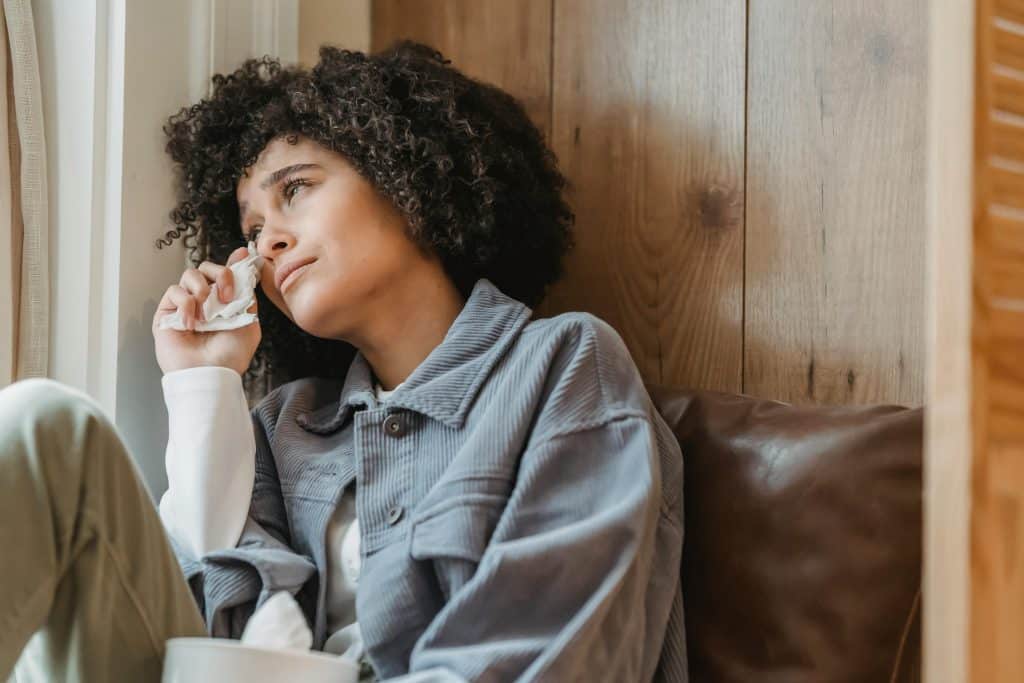
Recognizing the Signs and Symptoms of Self Harm in Women
Recognizing the signs of self harm in women is essential for early intervention and support. Many women attempt to hide their injuries or downplay their behaviors, making it difficult for loved ones to notice. Common forms of self harm in women include cutting, burning, scratching, or hitting themselves, often as a way to cope with overwhelming emotions.
In addition to physical evidence such as unexplained cuts, bruises, or scars, women who self harm may show emotional and behavioral signs. These can include persistent feelings of shame, depression, or anxiety; wearing long sleeves in warm weather; withdrawal from social activities; and frequent excuses for minor injuries. Women struggling with self harm may also battle low self-esteem, difficulty regulating emotions, and feelings of hopelessness.
Identifying these symptoms early is critical. Seeking professional treatment for self harm in women can reduce long-term risks, improve emotional regulation, and support lasting recovery.
Dual Diagnosis and Self Harm
Dual diagnosis refers to the co-occurrence of a mental health disorder and a substance use disorder. Self-harm can be a symptom of dual diagnosis, and it is essential to address both conditions simultaneously to achieve effective treatment.
Understanding the Connection Between Self Harm and Addiction

The Impact of Self-Harm on Mental Health Disorders
Mental illness can have a profound and devastating impact on individuals, affecting their psychological, emotional, and social well-being. Here’s a breakdown of the potential consequences:
Psychological Health:
Constant Emotional Pain: Women may feel trapped in a cycle of self-harming behaviors as a way to cope with their pain.
Depression and Anxiety: Self-harm is often linked to severe mental health conditions like depression and anxiety.
Obsessive Thoughts: Women may become preoccupied with the idea of self-injury and struggle to find healthy coping skills.
Psychological Trauma: Long-term self-harm can lead to lasting psychological scars.
Emotional Health:
Low Self-Esteem: Women who self-harm may feel a diminished sense of self-worth.
Emotional Isolation: Many women withdraw from social interactions due to shame and confusion.
Self-Harm Addiction: In severe cases, self-harm can become an addictive behavior that is difficult to stop.
Social Impact:
Strained Relationships: Self-harm can strain relationships with family members and friends.
Occupational Difficulties: The emotional toll of self-harm can impair job performance and lead to absenteeism.
Financial Burden: Seeking treatment for self-harm addiction can be expensive, adding another layer of stress.

The Role of Mental Health Professionals in Recovery
Working with Therapists and Counselors
Mental Health and Behavioral Therapy in Self Harm Addiction Treatment
Self-harm is not just about physical injury; it’s often linked to underlying mental health disorders such as anxiety, depression, and PTSD. Therapy is a crucial part of treatment as it helps individuals understand and change the harmful patterns that have developed due to self-harming behaviors, and it is essential to treat self harm with an individualized approach tailored to each patient’s unique needs.
Various treatment modalities are employed, including Cognitive Behavioral Therapy (CBT) and Dialectical Behavior Therapy (DBT), to address both the self-harm and the underlying mental health issues.
Cognitive Behavioral Therapy (CBT) and Dialectical Behavior Therapy (DBT)
CBT is often the first line of treatment for self-harm addiction. It helps women understand the link between their thoughts, feelings, and behaviors, and how these contribute to self-harming behaviors.
DBT, initially developed to treat Borderline Personality Disorder, is also effective in treating self-harm. It focuses on skills like mindfulness, distress tolerance, and emotional regulation, which can be particularly helpful for women recovering from self-harm addiction.

The Importance of a Supportive Environment for Women Who Self Harm
Recovery from self harm in women is not a journey to face alone. A strong support system—including family members, friends, peer groups, and trained clinicians—plays an essential role in the healing process. Many women who self harm experience shame, isolation, or secrecy around their behaviors, which makes compassionate encouragement even more critical. With the right environment, women can begin to rebuild confidence, develop healthier coping skills, and move forward toward a safer, more fulfilling life.
Treatment Options for Self Harm in Women in Orange County
There are multiple levels of care available for self harm treatment in women throughout Orange County. A Partial Hospitalization Program (PHP) offers a structured, daylong schedule that combines therapy, psychiatric support, and skill-building. This setting provides the intensity many women need while still allowing them to return home in the evenings.
Other effective options include:
Inpatient treatment for women who require 24/7 supervision and crisis stabilization.
Intensive outpatient programs (IOP) that provide several hours of therapy each week for ongoing support.
Individual and group therapy focused on emotional regulation, trauma healing, and relapse prevention.
Treatment often incorporates evidence-based therapies such as dialectical behavior therapy (DBT), cognitive behavioral therapy (CBT), trauma-focused therapy, and medication management when necessary. These approaches help women break free from cycles of self harm, reduce the risk of suicide, and build long-term resilience.
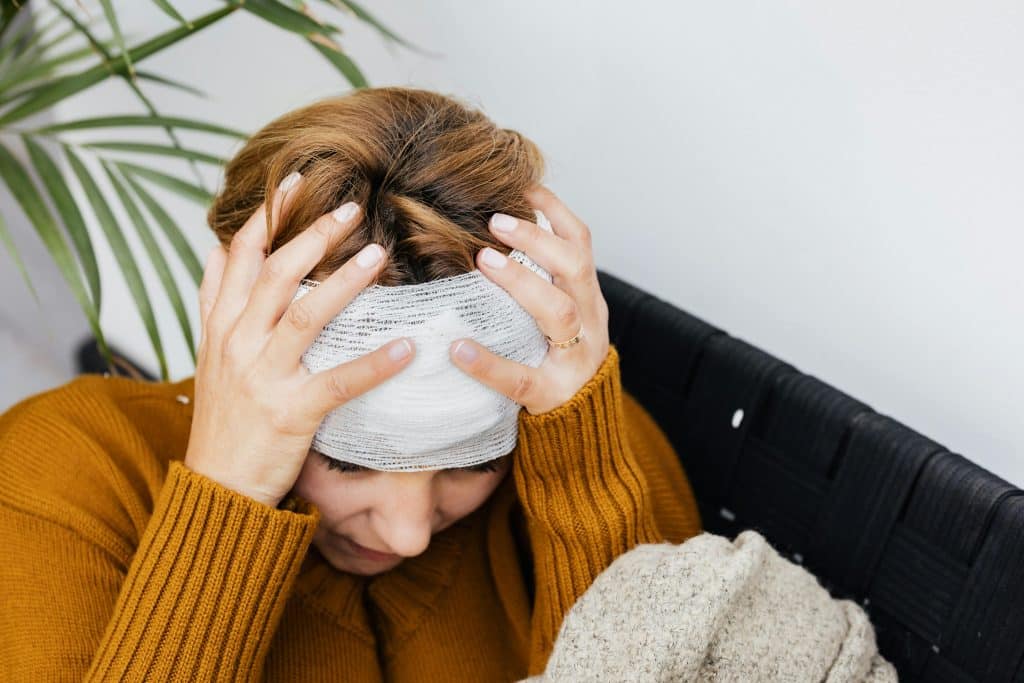
Support Systems and Community Resources for Women Who Self Harm
Support systems play a vital role in recovery from self harm in women. Emotional encouragement, accountability, and understanding from others create a foundation for long-term healing. Many women who self harm feel isolated or ashamed, making it even more important to connect with safe and supportive networks.
In Orange County, women have access to a variety of community resources, including peer-led support groups, educational workshops, and outreach programs focused on mental health recovery. Building a strong network that includes compassionate clinicians, supportive family members, and peers who share similar experiences helps women feel less alone in their journey. These connections not only reduce relapse risk but also provide women with the tools to maintain recovery and develop healthier coping strategies.
Support Groups and Family Therapy
Aftercare and Maintaining Recovery
Aftercare is a critical part of the recovery process for self-harm behaviors. It helps individuals maintain the progress they have made during treatment and manage depressive symptoms that can lead to relapse. Aftercare plans often include ongoing therapy, mental health services, support groups, and regular check-ins with healthcare providers.
A strong aftercare program addresses key self-harm risk factors, including emotion dysregulation, positive urgency, and negative urgency. It also monitors levels of symptoms linked to mental disorders such as nonsuicidal self-injury disorder, symptoms of postpartum depression, antenatal depression, and antepartum depression. Structured follow-up care uses tools like logistic regression analyses, logistic regressions, and measurement invariance to assess outcomes and ensure statistical significance and confidence intervals in evaluating progress.
Conclusion and Next Steps
From therapy and counseling to supportive community resources, there are paths to recovery for everyone facing self-harming behaviour and the emotional challenges behind it. Systematic reviews and research on care-experienced girls and study child data highlight the importance of early, consistent intervention.
Seeking help is the first step. Recovery plans often integrate insights from self-harm prevalence studies, the gender gap in self-harm behaviors, and the effects of hot weather, substance abuse, and other environmental triggers. Recognizing physical signs such as bite marks, addressing exposure to sexual assault, and monitoring socio-demographic characteristics strengthens treatment outcomes.
Seeking Treatment?
FAQs About Self-Harm
What should I do if I notice self-harm signs in a friend?
How prevalent is self-harm?
Are certain individuals more predisposed to self-harm?
What’s the difference between self-harm and suicidal tendencies?
Do self-harm scars ever heal completely?
Our Women's Treatment Facility
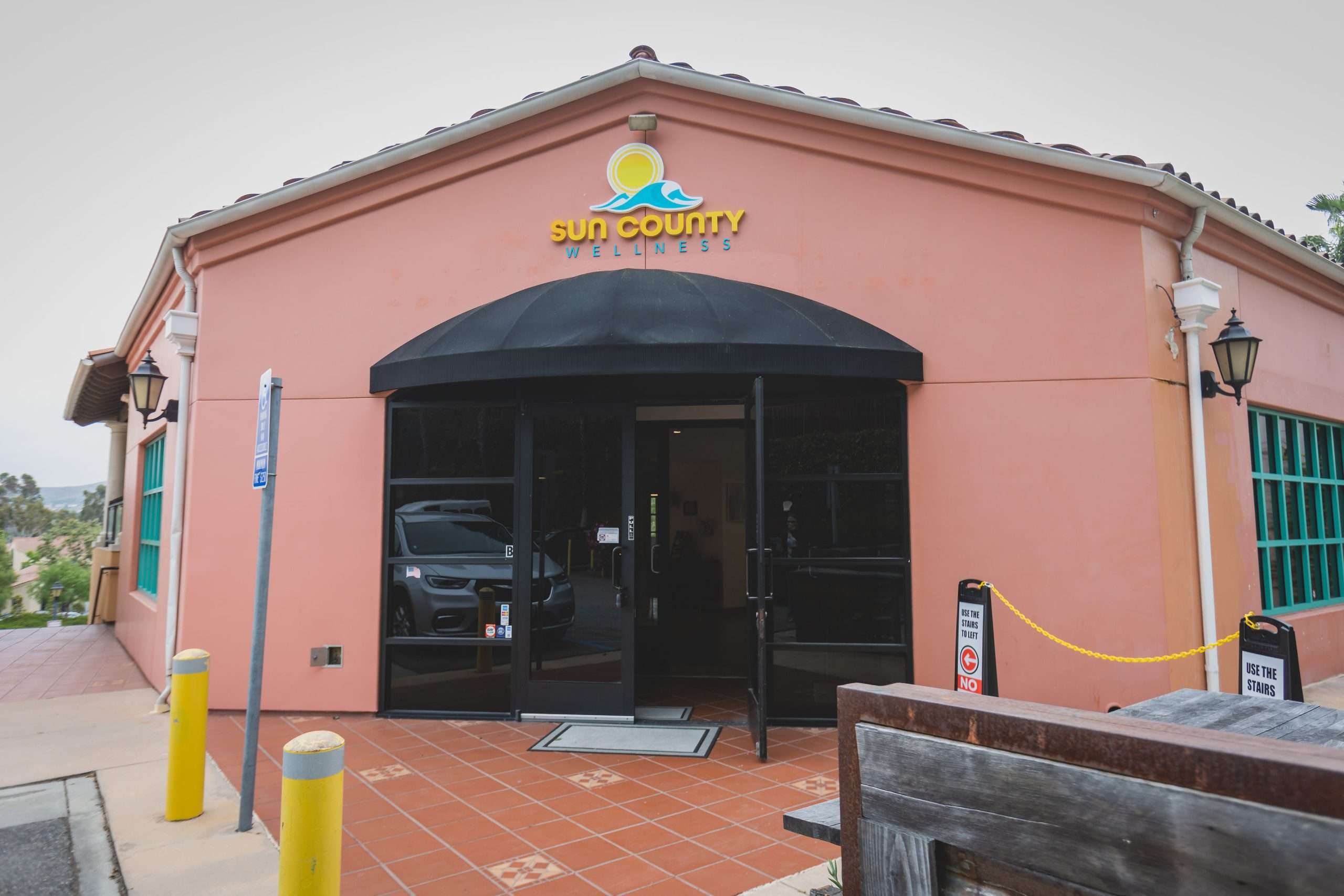





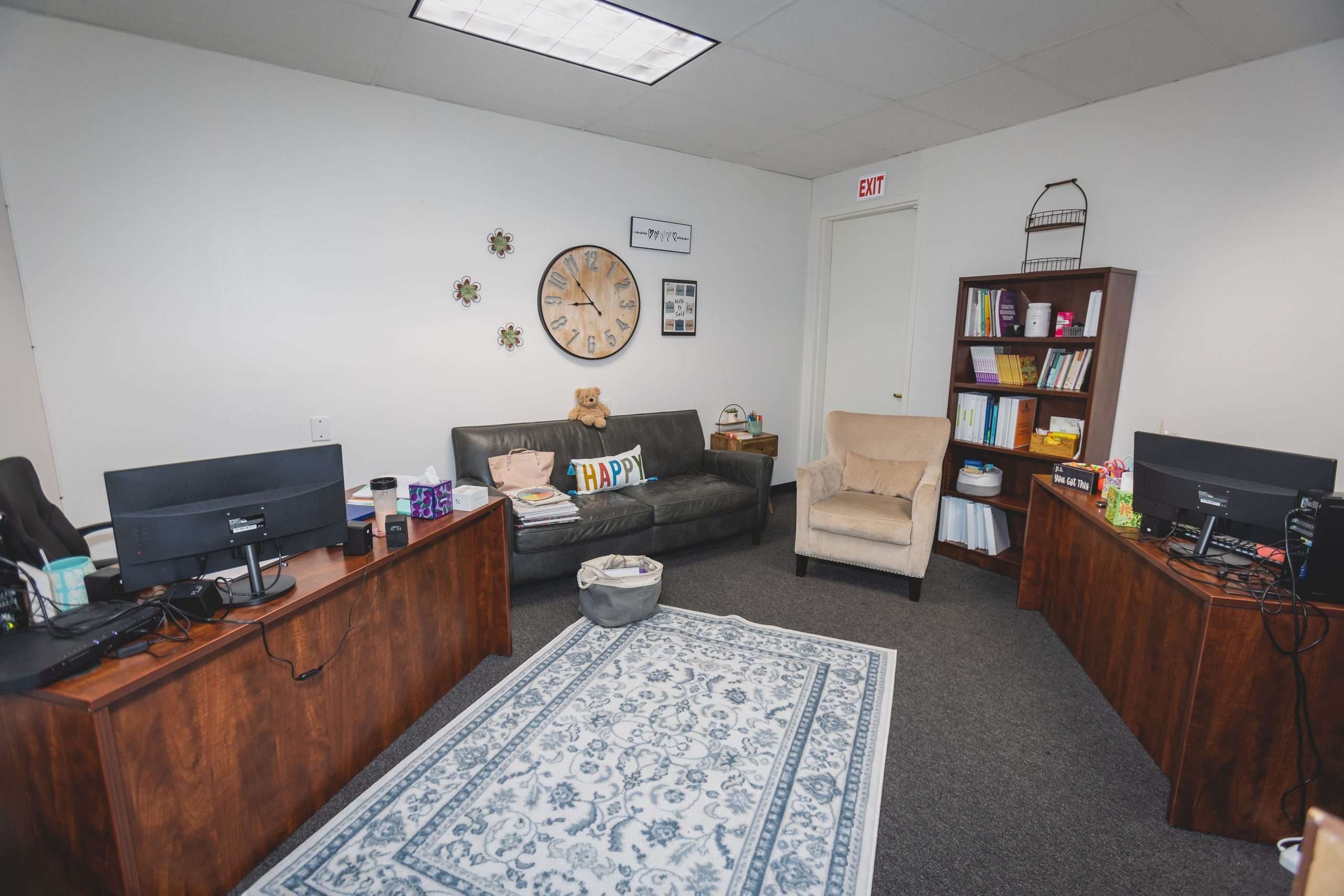
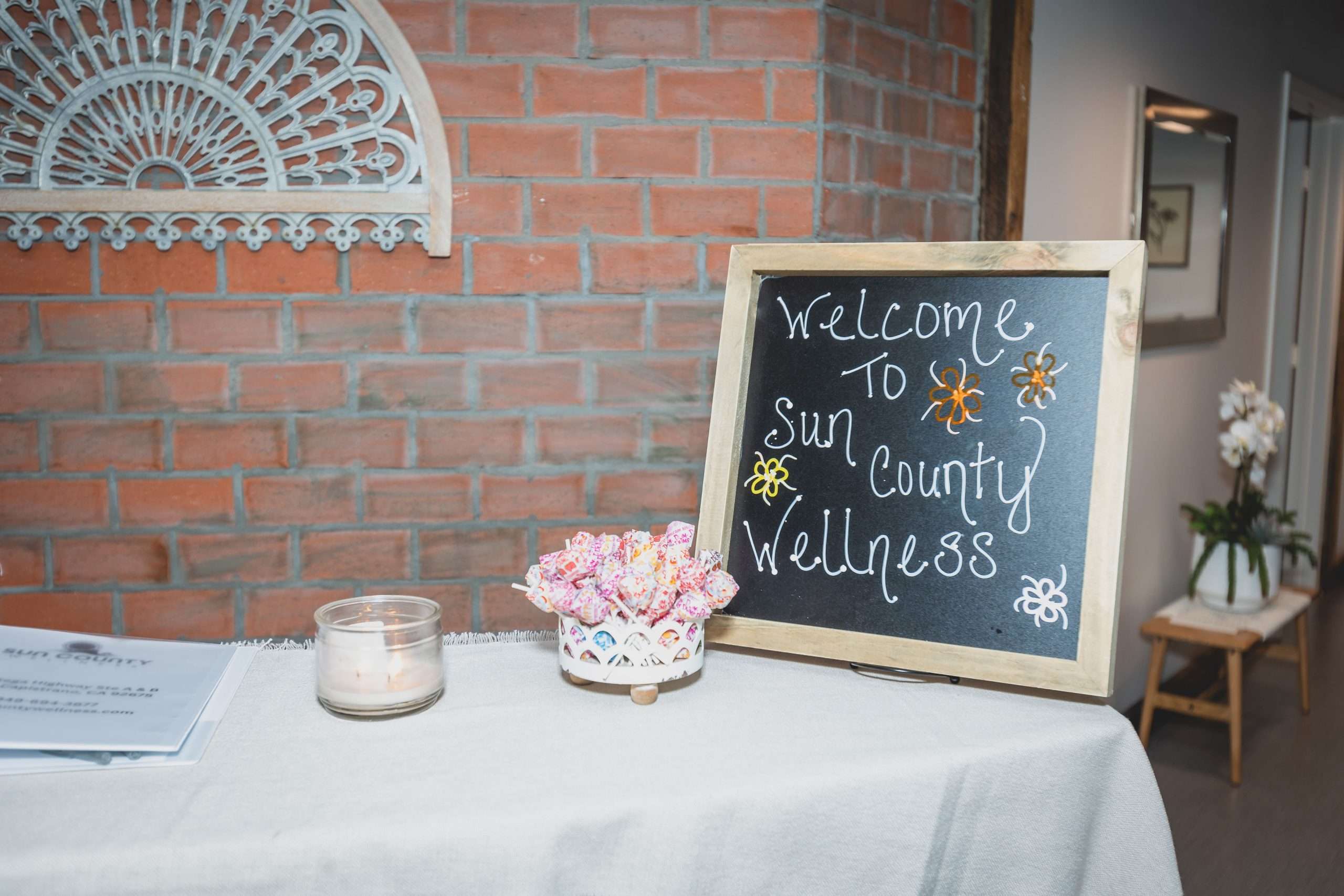
Locating Our Addiction Treatment Center For Women
John Wayne Airport (SNA)
- Distance: Approximately 21 miles
- Directions:
- Head northeast on N Airport Way.
- Use the right lane to take the ramp to CA-55 S.
- Merge onto CA-55 S.
- Take exit 5A for I-405 S toward San Diego.
- Keep left at the fork and merge onto I-405 S.
- Take exit 8 for CA-73 S toward San Diego (Toll Road).
- Merge onto CA-73 S (Toll Road).
- Take exit 5 for Greenfield Dr.
- Turn left onto Rancho Viejo Rd.
- Turn right onto Ortega Hwy.
- Sun County Wellness will be on the left.
Los Angeles International Airport (LAX)
- Distance: Approximately 61 miles
- Directions:
- Head east on World Way.
- Use the right 2 lanes to take the I-405 S ramp.
- Merge onto I-405 S.
- Take exit 8 for CA-73 S toward San Diego (Toll Road).
- Merge onto CA-73 S (Toll Road).
- Take exit 5 for Greenfield Dr.
- Turn left onto Rancho Viejo Rd.
- Turn right onto Ortega Hwy.
- Sun County Wellness will be on the left.
Long Beach Airport (LGB)
- Distance: Approximately 47 miles
- Directions:
- Head south on Donald Douglas Dr.
- Take the ramp to I-405 S.
- Merge onto I-405 S.
- Take exit 8 for CA-73 S toward San Diego (Toll Road).
- Merge onto CA-73 S (Toll Road).
- Take exit 5 for Greenfield Dr.
- Turn left onto Rancho Viejo Rd.
- Turn right onto Ortega Hwy.
- Sun County Wellness will be on the left.
San Diego International Airport (SAN)
- Distance: Approximately 64 miles
- Directions:
- Head northwest on N Harbor Dr.
- Use the left 2 lanes to take the ramp onto I-5 N.
- Continue on I-5 N.
- Take exit 81 for CA-74/Ortega Hwy.
- Turn right onto CA-74 E/Ortega Hwy.
- Sun County Wellness will be on the right.