5 Star Rated Facility | 1000+ Lives Changed

Call Now | 949-828-0960

Inhalants Treatment: Comprehensive Guide to Recovery and Wellness
Women's Addiction and Mental Health Treatment Center in San Juan Capistrano, CA
Substance Abuse
Verify Insurance
Need to find out if we take your insurance? Call Us Today for verification.
Call Now for Addiction Treatment

Inhalants Treatment and Understanding Abuse
Inhalant abuse involves the misuse of volatile substances found in household and commercial products. These substances, like paint thinner, correction fluid, and aerosol sprays, release toxic chemicals that can cause acute intoxication. Abusers of inhalants often seek a quick high but face dangerous side effects, including brain damage, heart failure, and sudden sniffing death.
Categories of Inhalants
There are four main categories of inhalants:
- Volatile Solvents: Examples include dry-cleaning fluids, fabric protector sprays, and lighter fluid.
- Aerosols: Products like hair spray, cooking spray, and green spray paint fall under this category.
- Gases: Includes substances like air fresheners and nitrous oxide.
- Nitrites: Commonly marketed as sexual enhancers or liquid aroma.
Signs of Inhalant Abuse
Health Complications from Inhalant Use
The effects of inhalants can vary depending on the substance and duration of abuse. Short-term effects include dizziness, blurred vision, and chest pain. Long-term damage may include brain damage, cognitive impairment, memory loss, and psychiatric disorders. Dangerous chemicals in inhalants can cause cardiac arrhythmias, lack of oxygen, and sudden death.
Inhalant Withdrawal Symptoms
When individuals stop using inhalants, they may experience withdrawal symptoms such as headaches, irritability, nausea, and depression. More severe symptoms include irregular heartbeat, limb spasms, and loss of coordination. These symptoms require medical intervention and supplemental oxygen in severe cases.
Rehabilitation can put an end to mental health
Call and ask the facility directly or call your own provider to determine if your insurance covers the treatment.
Behavioral Therapy for Inhalant Addiction
Behavioral therapy is a cornerstone of inhalant addiction treatment. Approaches for drug addiction include:
- Cognitive Behavioral Therapy (CBT): Helps individuals identify and change harmful thought patterns.
- Family Therapy: Addresses family dynamics and supports recovery.
- 12-Step Programs: Provide peer support and structure for recovery.
Role of Treatment Providers
Treatment providers play a vital role in guiding individuals through the treatment process. Medical professionals evaluate physical and mental health symptoms, create a treatment plan, and monitor progress. Inhalant addiction treatment programs often include a combination of individual therapy, group counseling, and life skills training.

Mental Health and Co-Occurring Disorders
Inhalant abuse often coexists with mental health issues such as depression and anxiety. Treatment centers address these co-occurring disorders through comprehensive psychiatric evaluations and dual-diagnosis care. This approach ensures that both addiction and underlying mental illness are treated effectively.
Physical and Cognitive Recovery
Chronic inhalant use can cause physical damage to the brain, heart, and other organs. Recovery focuses on reversing or managing these effects. Treatment may include:
- Medical Interventions: Supplemental oxygen for lack of oxygen, and medications for withdrawal symptoms.
- Physical Therapy: Restores motor function and coordination.
- Cognitive Rehabilitation: Addresses memory loss and cognitive impairment.
Daily Life and Relapse Prevention
A structured daily routine is crucial for maintaining sobriety. Treatment providers teach life skills such as time management, stress reduction, and healthy habits. Relapse prevention strategies include:
- Recognizing Triggers: Identifying and avoiding situations that may lead to inhalant use.
- Building Support Networks: Connecting with support groups and therapy programs.
- Healthy Activities: Encouraging hobbies, exercise, and social interactions to improve mental health.
Specialized Programs for Adolescents
Adolescent inhalant abuse is a growing concern, particularly among 8th graders. Programs designed for young people focus on education, counseling, and family involvement. These programs help address academic decline, behavioral changes, and grooming habits affected by inhalant use.
Role of National Organizations
Organizations like the National Institute on Drug Abuse and the Substance Abuse and Mental Health Services Administration provide resources for individuals and families affected by inhalant abuse. Their clinical experience and research support treatment providers in delivering evidence-based care.
Inhalant Addiction Treatment Facilities
Treatment centers like Windward Way Recovery and Northern Illinois Recovery offer specialized care for individuals struggling with inhalant addiction. These facilities provide a safe environment for detoxification, therapy, and rehabilitation. Outpatient programs allow individuals to continue daily life while receiving treatment.
Seeking Treatment?
Frequently Asked Questions
Outpatient mental health treatment is a flexible care option that allows individuals to receive professional therapeutic support while continuing to live at home. It involves regular therapy sessions, including group therapy, individual counseling, and family therapy, tailored to meet the specific needs of the individual. This type of treatment is ideal for those who do not require the full-time supervision of inpatient treatment but need more structured support than traditional weekly therapy sessions.
Our outpatient mental health treatment program is designed for individuals experiencing mental health disorders who need consistent support but prefer to maintain their daily responsibilities. It is particularly beneficial for those with co-occurring disorders, such as mental health and substance use issues, or those transitioning from inpatient treatment or residential care. It also serves individuals who require more intensive care than standard outpatient services without the need for an overnight stay.
The frequency of sessions in our outpatient mental health program varies depending on individual needs, but most clients attend multiple sessions throughout the week. These can include a combination of group therapy, individual therapy, and holistic wellness activities. Our goal is to provide a level of care that matches the intensity of the client’s mental health needs while offering the flexibility to balance personal responsibilities.
Our outpatient mental health treatment programs include a range of evidence-based therapies such as cognitive behavioral therapy (CBT), interpersonal therapy, and exposure therapy. Clients also participate in group therapy and individual therapy sessions to help develop coping skills and manage symptoms of mental health disorders. We also incorporate holistic practices like yoga and mindfulness, along with medication management to provide comprehensive care.
The duration of an outpatient program can vary depending on the individual’s needs and the specific program. Some programs may last a few weeks, while others can extend for several months. The frequency of sessions can also vary, with some programs offering daily sessions and others providing support a few times a week.
Our Women's Treatment Facility
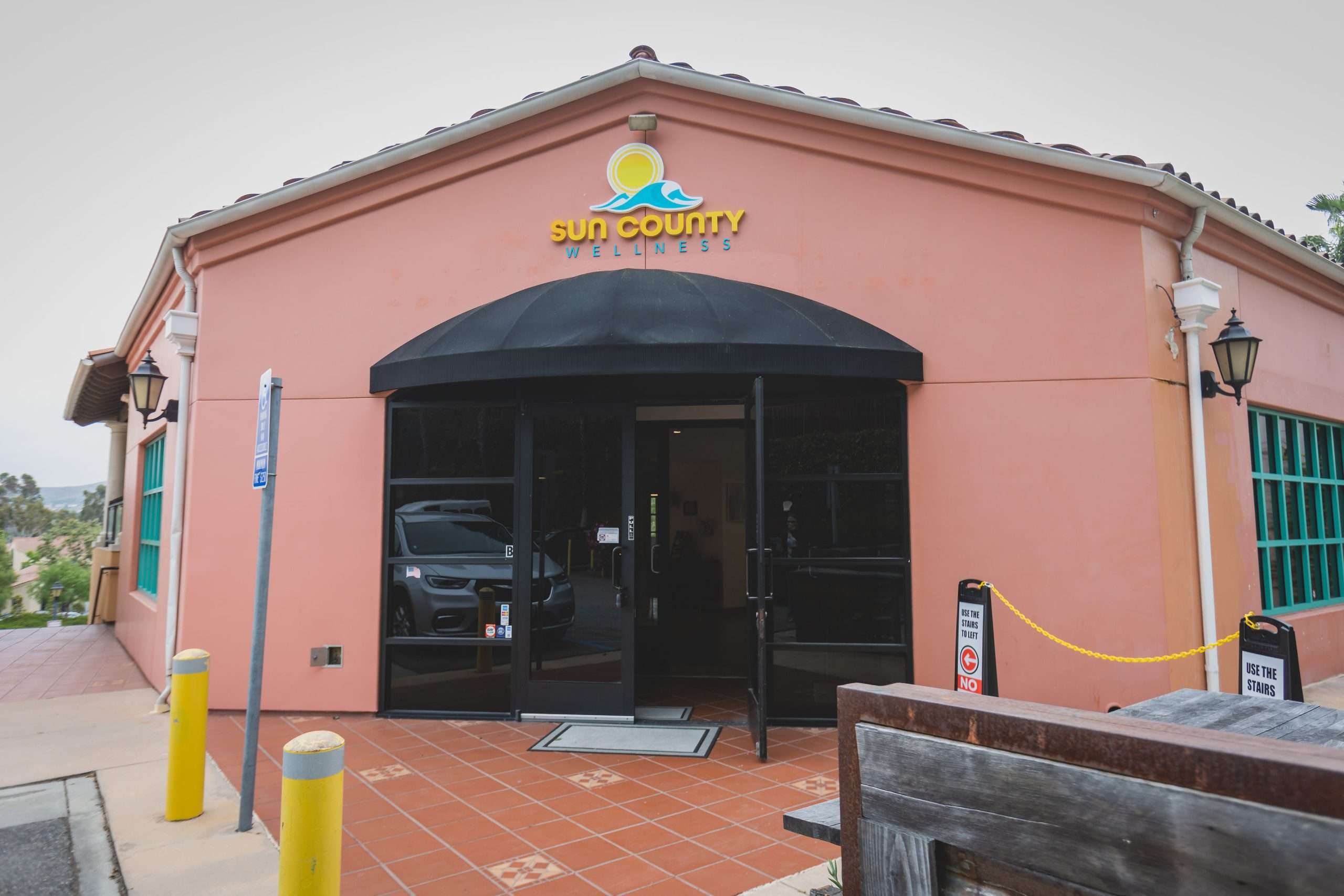
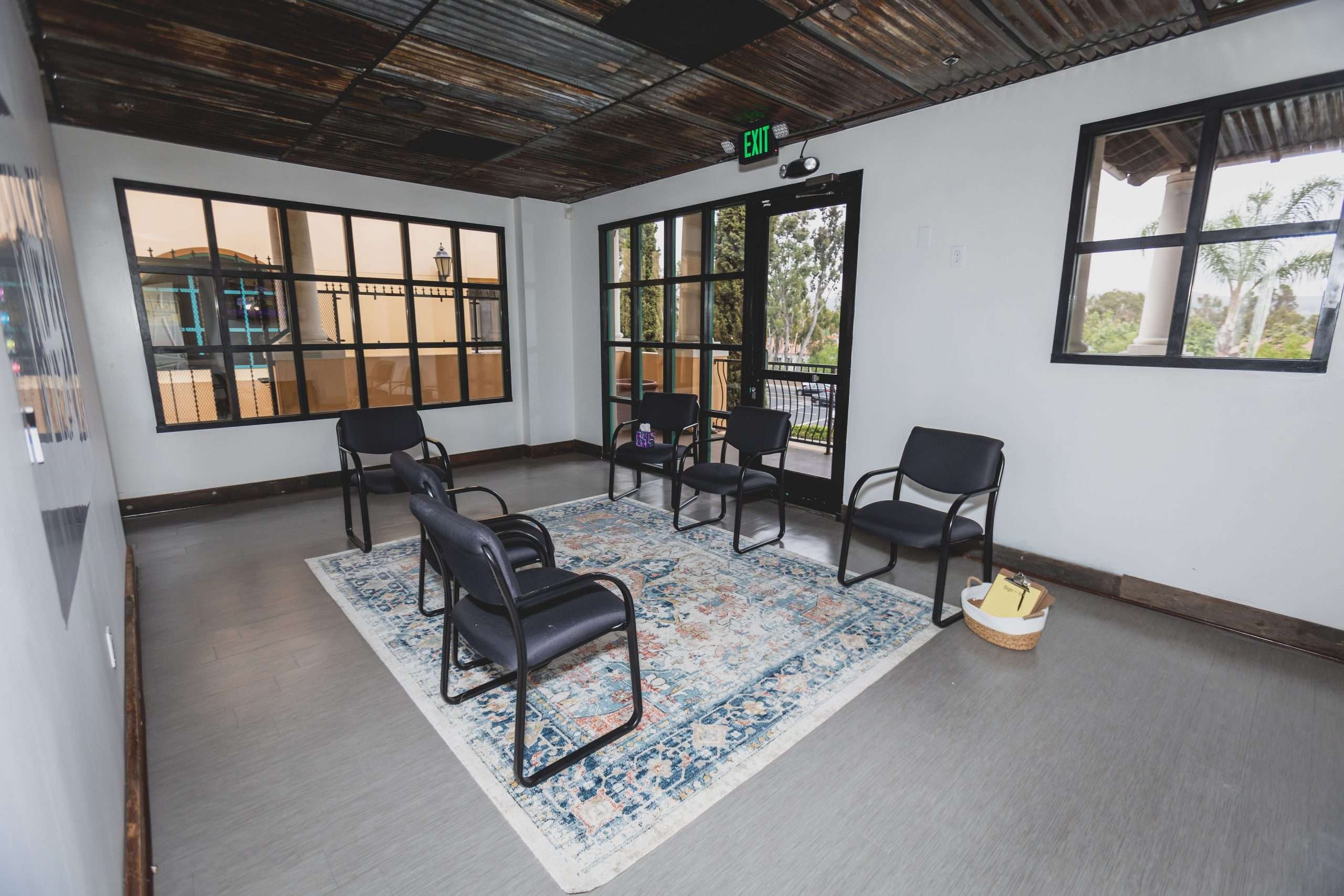


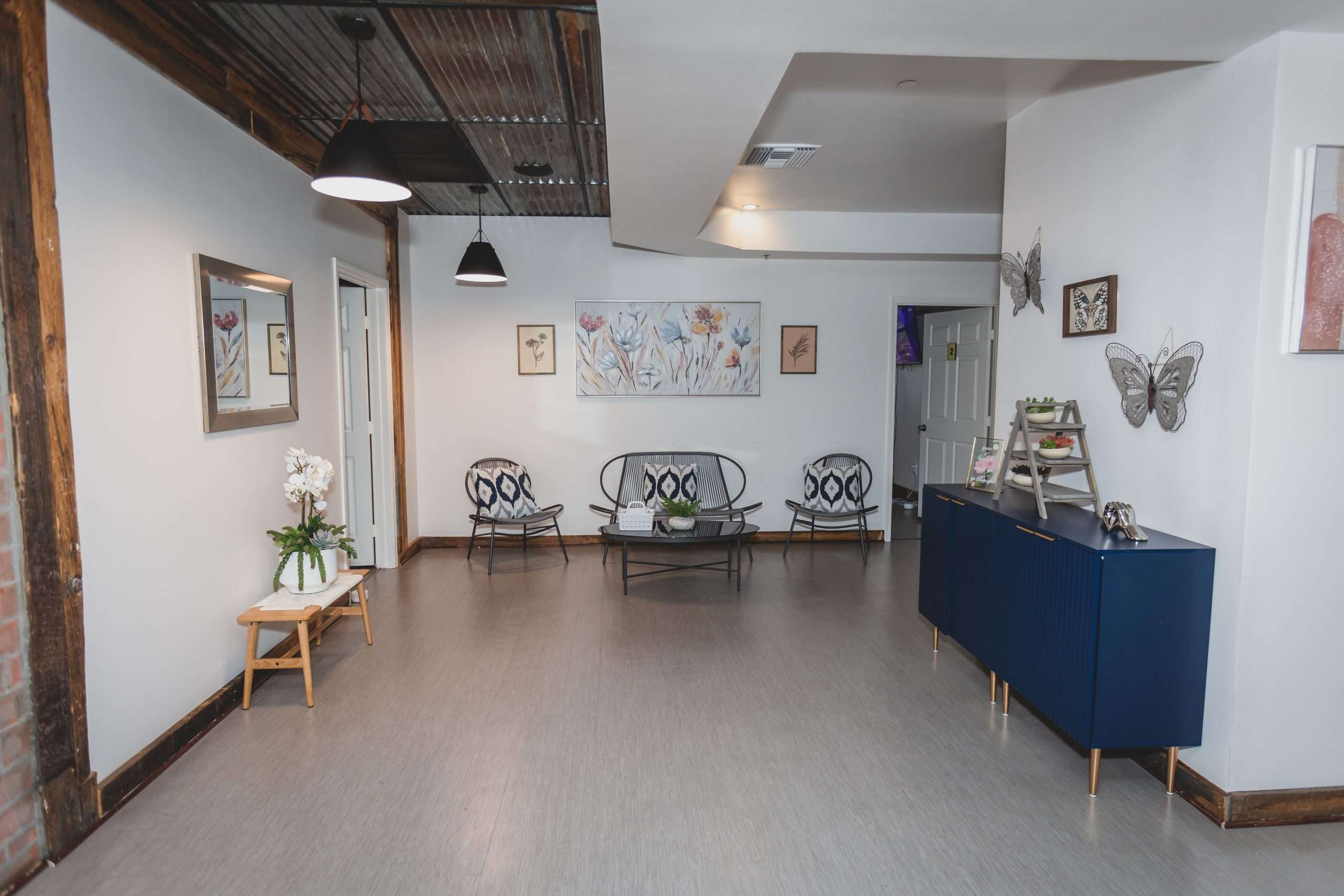

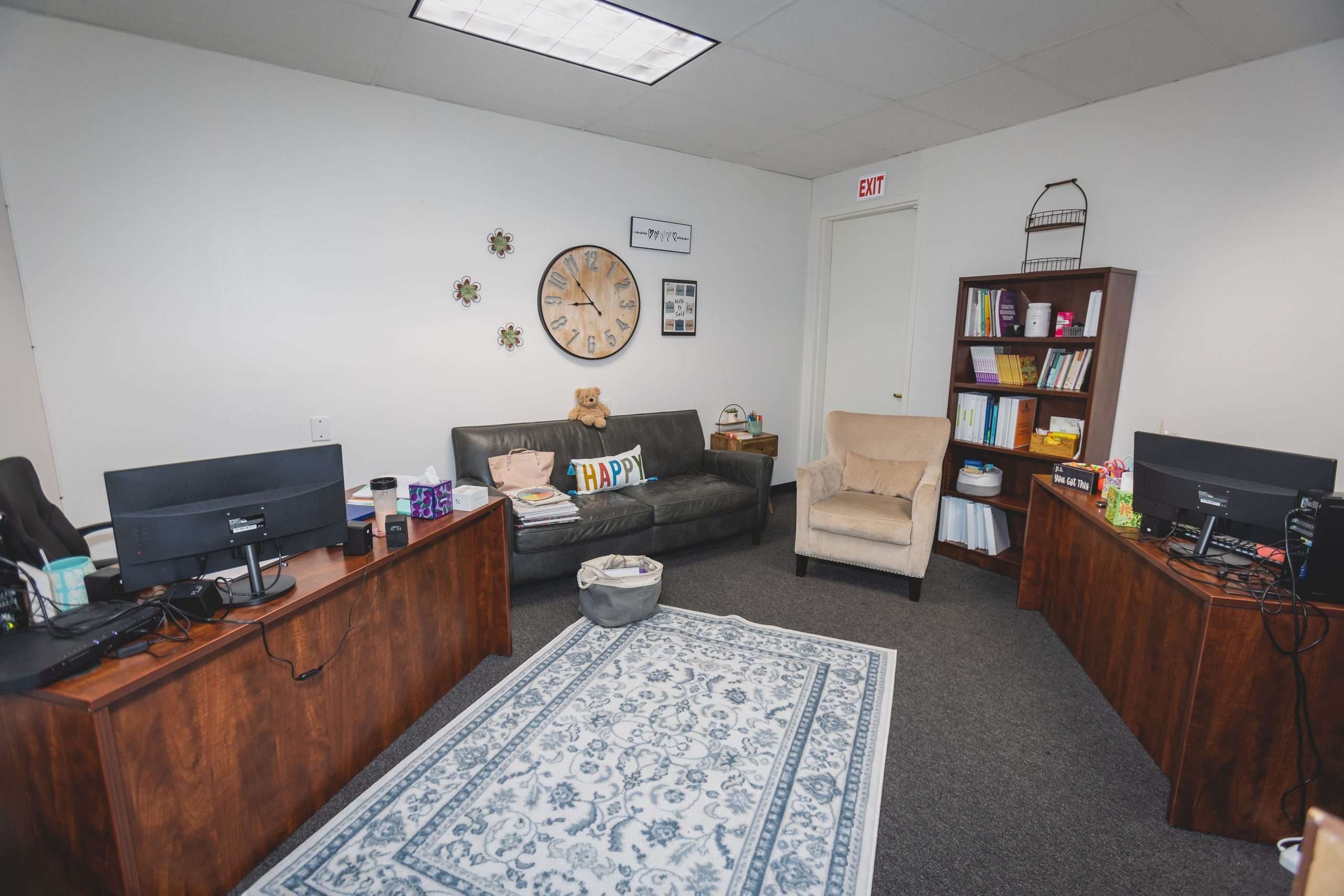
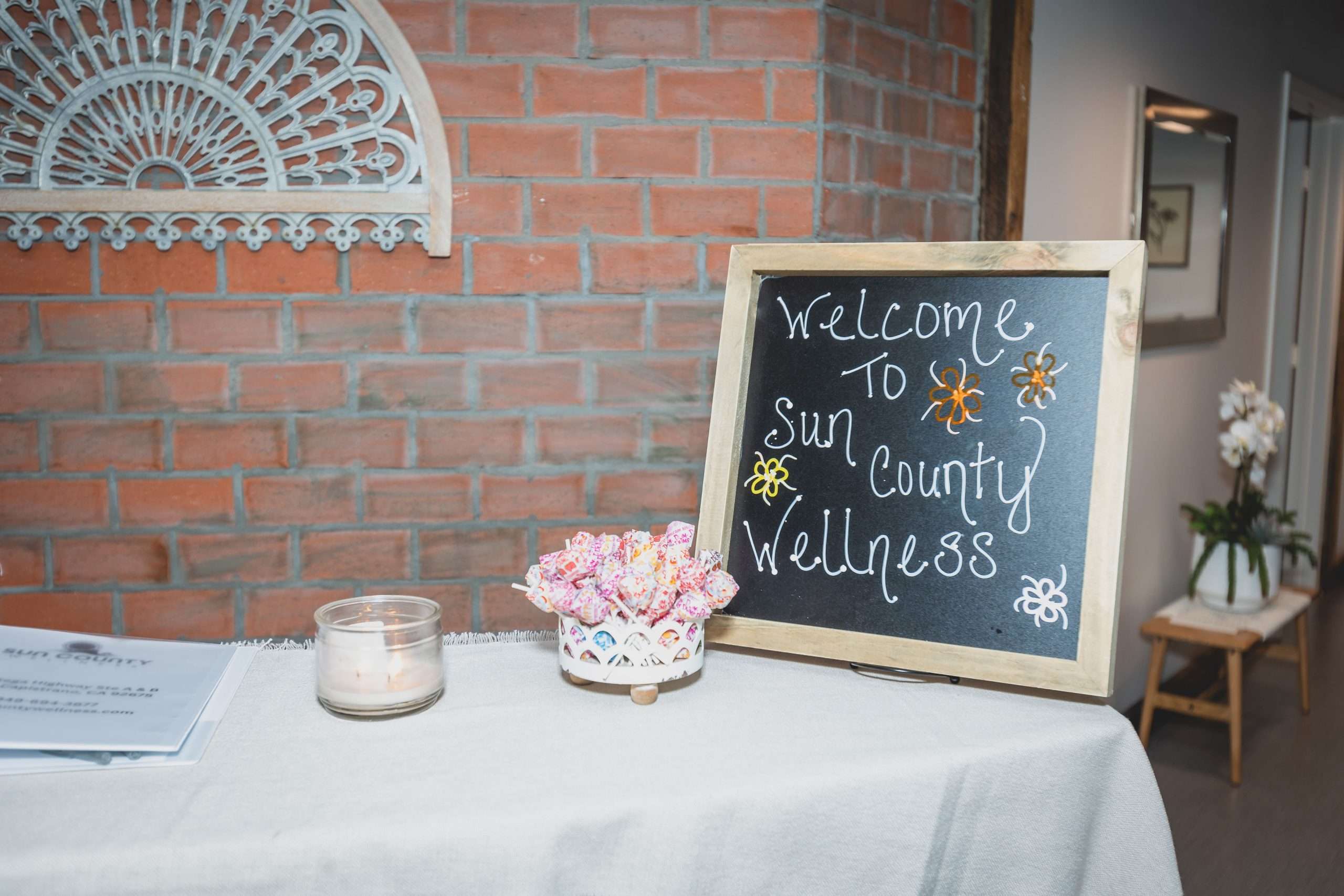
Locating Our Addiction Treatment Center For Women
John Wayne Airport (SNA)
- Distance: Approximately 21 miles
- Directions:
- Head northeast on N Airport Way.
- Use the right lane to take the ramp to CA-55 S.
- Merge onto CA-55 S.
- Take exit 5A for I-405 S toward San Diego.
- Keep left at the fork and merge onto I-405 S.
- Take exit 8 for CA-73 S toward San Diego (Toll Road).
- Merge onto CA-73 S (Toll Road).
- Take exit 5 for Greenfield Dr.
- Turn left onto Rancho Viejo Rd.
- Turn right onto Ortega Hwy.
- Sun County Wellness will be on the left.
Los Angeles International Airport (LAX)
- Distance: Approximately 61 miles
- Directions:
- Head east on World Way.
- Use the right 2 lanes to take the I-405 S ramp.
- Merge onto I-405 S.
- Take exit 8 for CA-73 S toward San Diego (Toll Road).
- Merge onto CA-73 S (Toll Road).
- Take exit 5 for Greenfield Dr.
- Turn left onto Rancho Viejo Rd.
- Turn right onto Ortega Hwy.
- Sun County Wellness will be on the left.
Long Beach Airport (LGB)
- Distance: Approximately 47 miles
- Directions:
- Head south on Donald Douglas Dr.
- Take the ramp to I-405 S.
- Merge onto I-405 S.
- Take exit 8 for CA-73 S toward San Diego (Toll Road).
- Merge onto CA-73 S (Toll Road).
- Take exit 5 for Greenfield Dr.
- Turn left onto Rancho Viejo Rd.
- Turn right onto Ortega Hwy.
- Sun County Wellness will be on the left.
San Diego International Airport (SAN)
- Distance: Approximately 64 miles
- Directions:
- Head northwest on N Harbor Dr.
- Use the left 2 lanes to take the ramp onto I-5 N.
- Continue on I-5 N.
- Take exit 81 for CA-74/Ortega Hwy.
- Turn right onto CA-74 E/Ortega Hwy.
- Sun County Wellness will be on the right.