5 Star Rated Facility | 1000+ Lives Changed

Call Now | 949-828-0960

Schizoaffective Disorder Treatment
Women's Addiction and Mental Health Treatment Center in San Juan Capistrano, CA
What We Treat
Verify Insurance
Need to find out if we take your insurance? Call Us Today for verification.
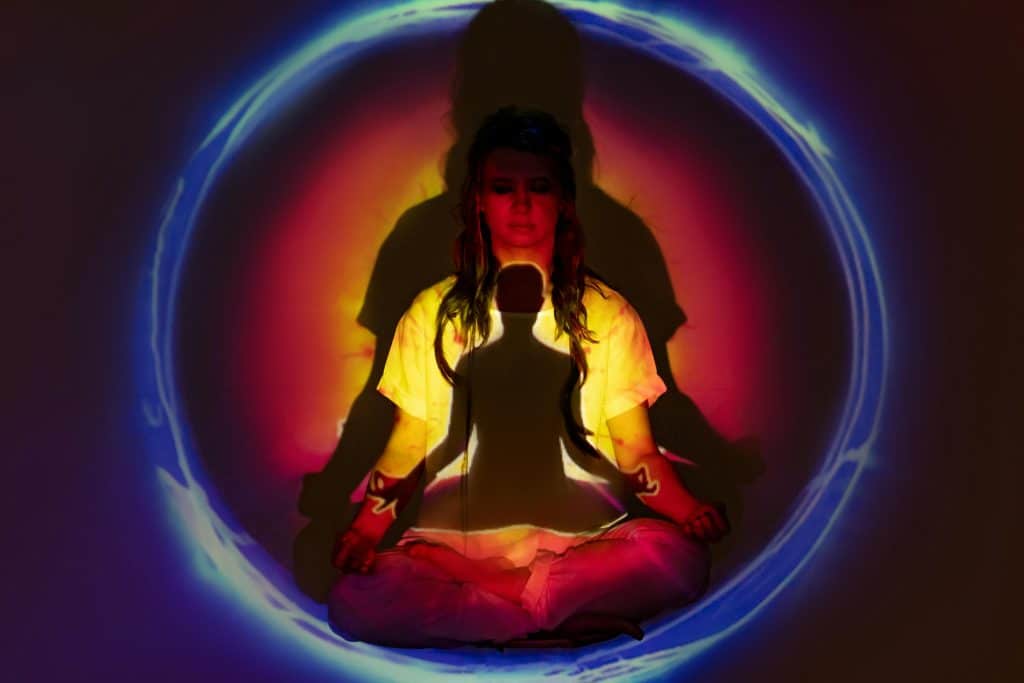
Understanding Schizoaffective Disorder
Rehabilitation can put an end to mental health
Call and ask the facility directly or call your own provider to determine if your insurance covers the treatment.
Types of Schizoaffective Disorder
Mental health professionals typically categorize schizoaffective disorder into two types:
Bipolar type: Includes episodes of mania and sometimes major depression.
Depressive type: Involves only major depressive episodes.
Each type has unique challenges but significantly impacts emotional stability and cognitive functioning.

Mood Symptoms of Schizoaffective Disorder
Diagnosis of Schizoaffective Disorder
Diagnosing schizoaffective disorder requires a thorough assessment by a mental health professional, which typically includes: The Diagnostic and Statistical Manual of Mental Disorders (DSM) is a crucial reference for diagnosing schizoaffective disorder.
Physical exams to rule out other health conditions.
Reviewing medical history and genetic factors.
Examining the presence of risk factors like substance abuse, trauma, or stress.
Treatment Options for Schizoaffective Disorder
Treating schizoaffective disorder involves a multi-faceted approach that targets both psychotic and mood symptoms. Specialized treatment clinics, like the PRIME and STEP clinics, play a crucial role in the treatment of schizoaffective disorder by emphasizing early diagnosis and intervention strategies.
Medication: Medications are a critical part of schizoaffective disorder treatment:
Antipsychotic medications: These help manage psychotic symptoms.
Mood stabilizers: Often used to regulate mood swings and prevent severe symptoms.
These medications aim to reduce mood symptoms, stabilize mood, and improve quality of life.
Psychotherapy: Therapy helps individuals with schizoaffective disorder explore underlying causes and develop coping skills.
Cognitive behavioral therapy (CBT): Effective in addressing both depressive symptoms and psychotic symptoms.
Family therapy: Supports loved ones in understanding schizoaffective disorder and creates a supportive environment.
Alternative Therapies
Complementary treatments can enhance traditional approaches:
Electroconvulsive therapy (ECT): Used in cases of severe, treatment-resistant symptoms.
Physical exercise: Activities that enhance brain chemical levels, such as dopamine, can improve mood and cognitive functioning.

Bipolar Type Schizoaffective Disorder Treatment
Addressing Depression in Schizoaffective Disorder
Coping with Treatment-Resistant Schizoaffective Disorder

The Role of Physical Health in Schizoaffective Disorder
How Schizoaffective Disorder Is Treated
Common Symptoms and Risk Factors in Schizoaffective Disorder
Identifying risk factors can help in creating a tailored treatment plan. Common risk factors include:
Genetic predispositions: Family history can increase susceptibility.
Life stressors: Traumatic events or environmental stress may trigger episodes of schizoaffective disorder.
Exploring Related Conditions
Seeking Treatment?
FAQs About Schizoaffective Disorder
How does Schizoaffective Disorder typically present in early stages?
Early signs can be subtle, like social withdrawal, difficulty concentrating, or vague feelings of unease.
Are there different subtypes of Schizoaffective Disorder?
Yes, the disorder can be categorized as bipolar type (when manic episodes are present) or depressive type (only depressive episodes are present).
How can lifestyle changes assist in managing the disorder?
Routine sleep patterns, stress reduction techniques, avoiding drugs or alcohol, and regular medical check-ups can be beneficial.
Is Schizoaffective Disorder a lifelong condition?
While its course varies among individuals, with sustained treatment, many can experience significant periods of symptom relief.
Our Women's Treatment Facility

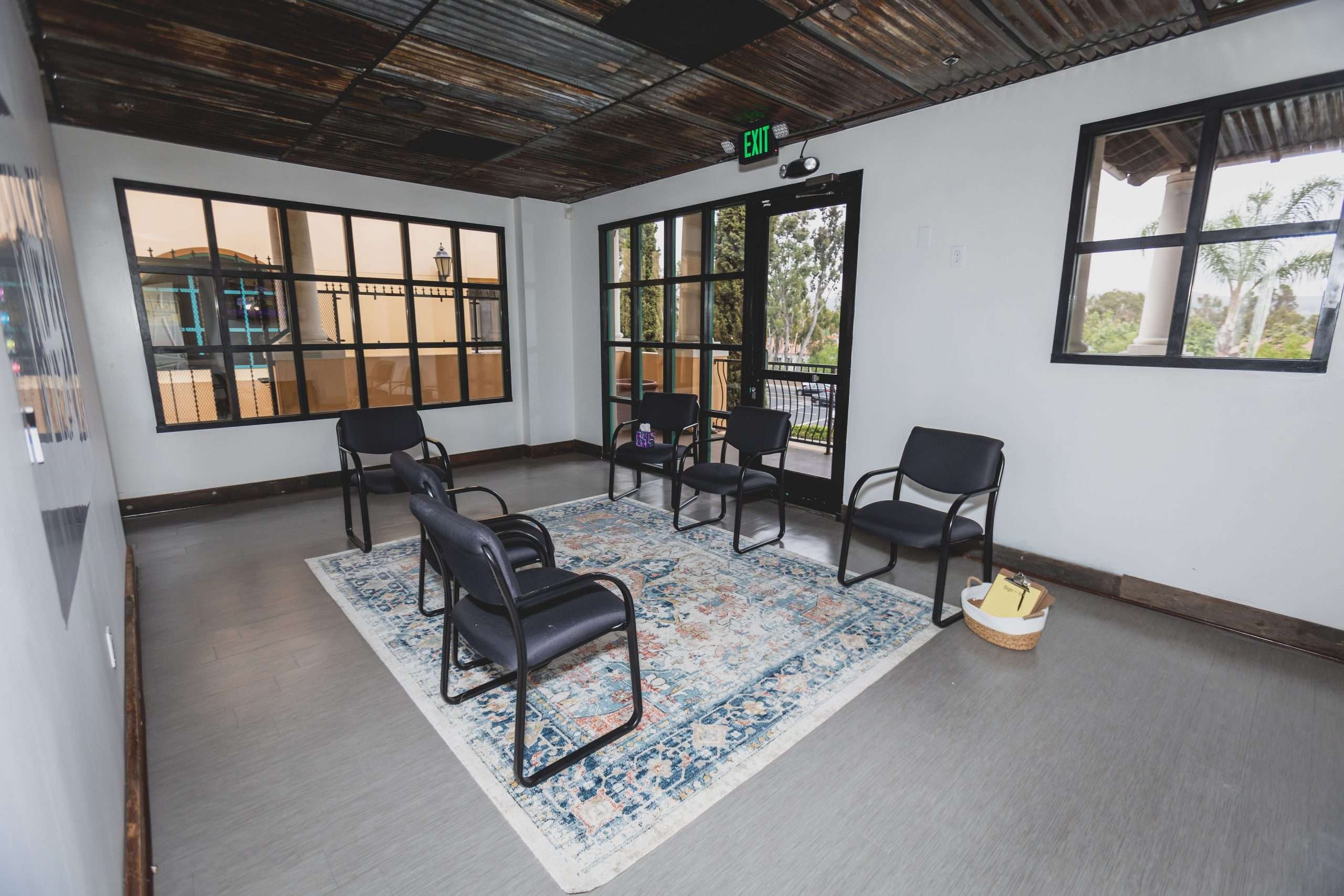
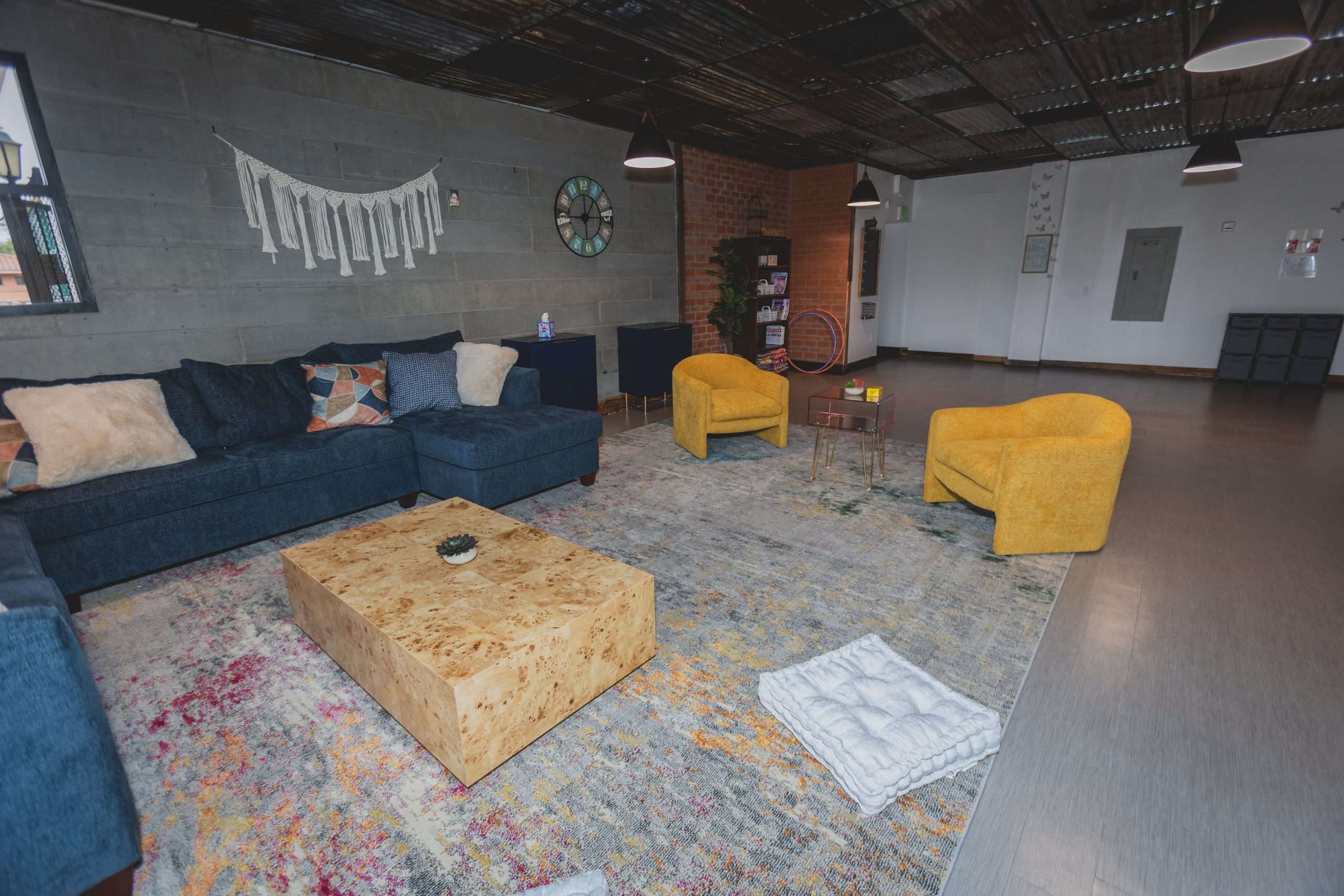

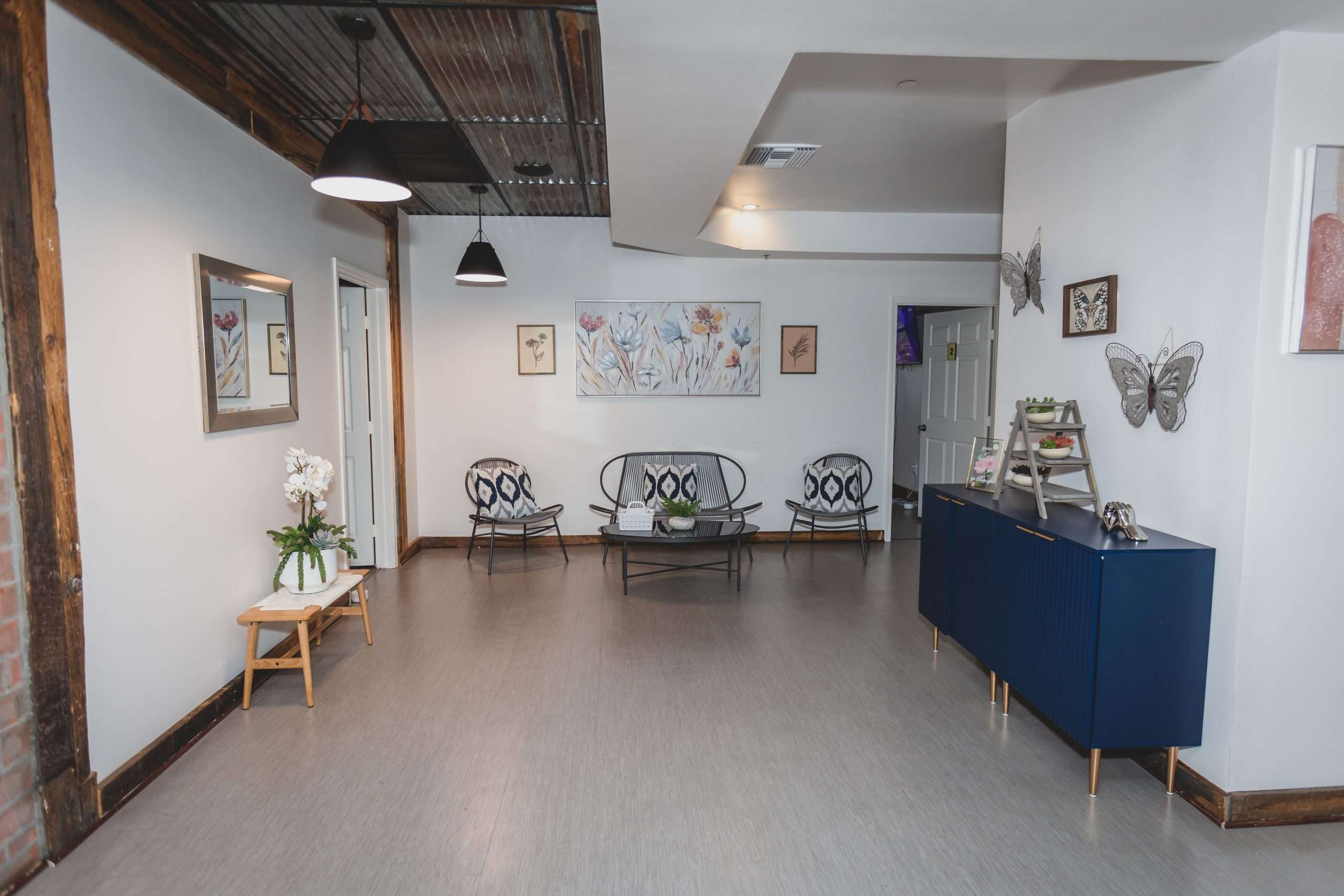
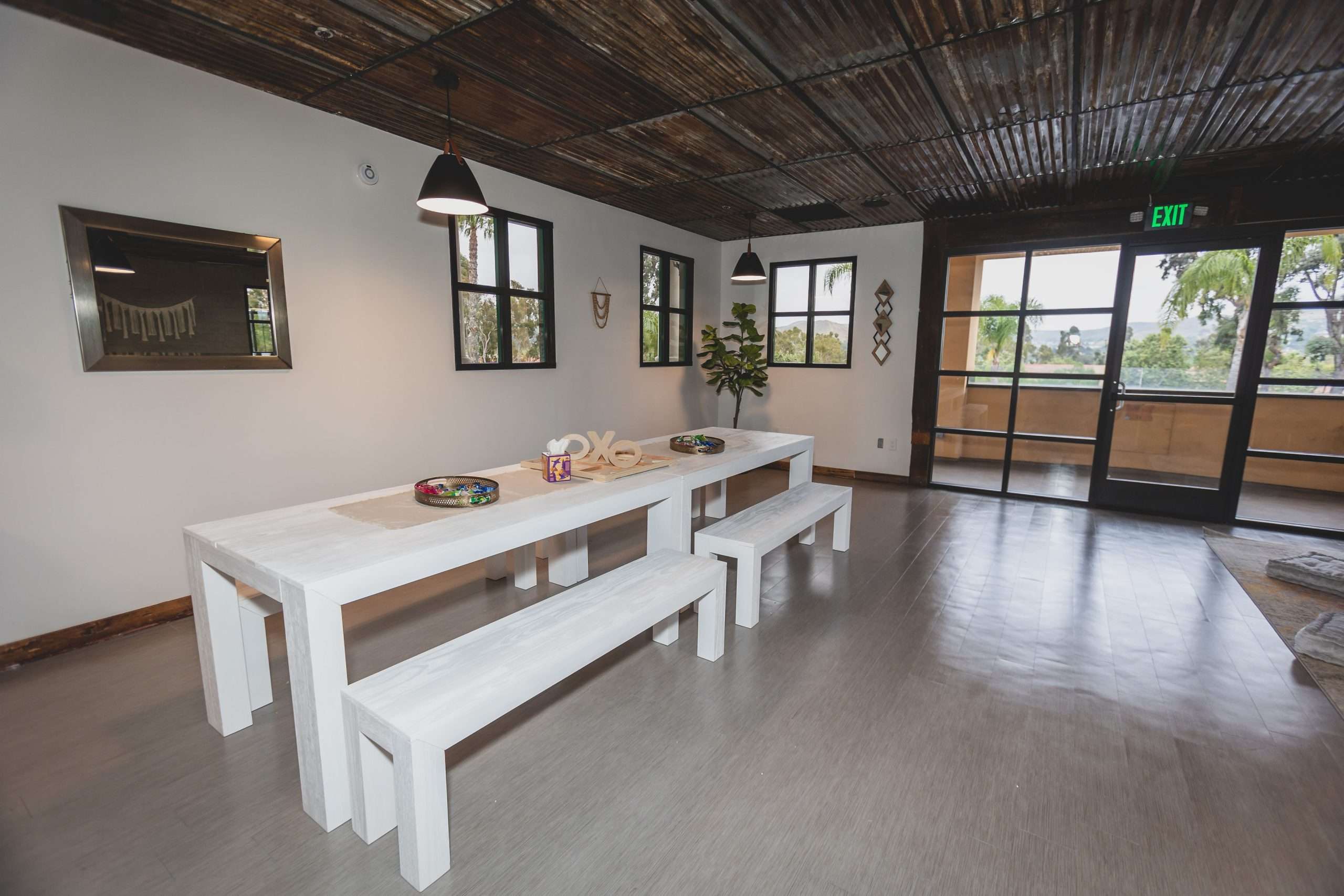
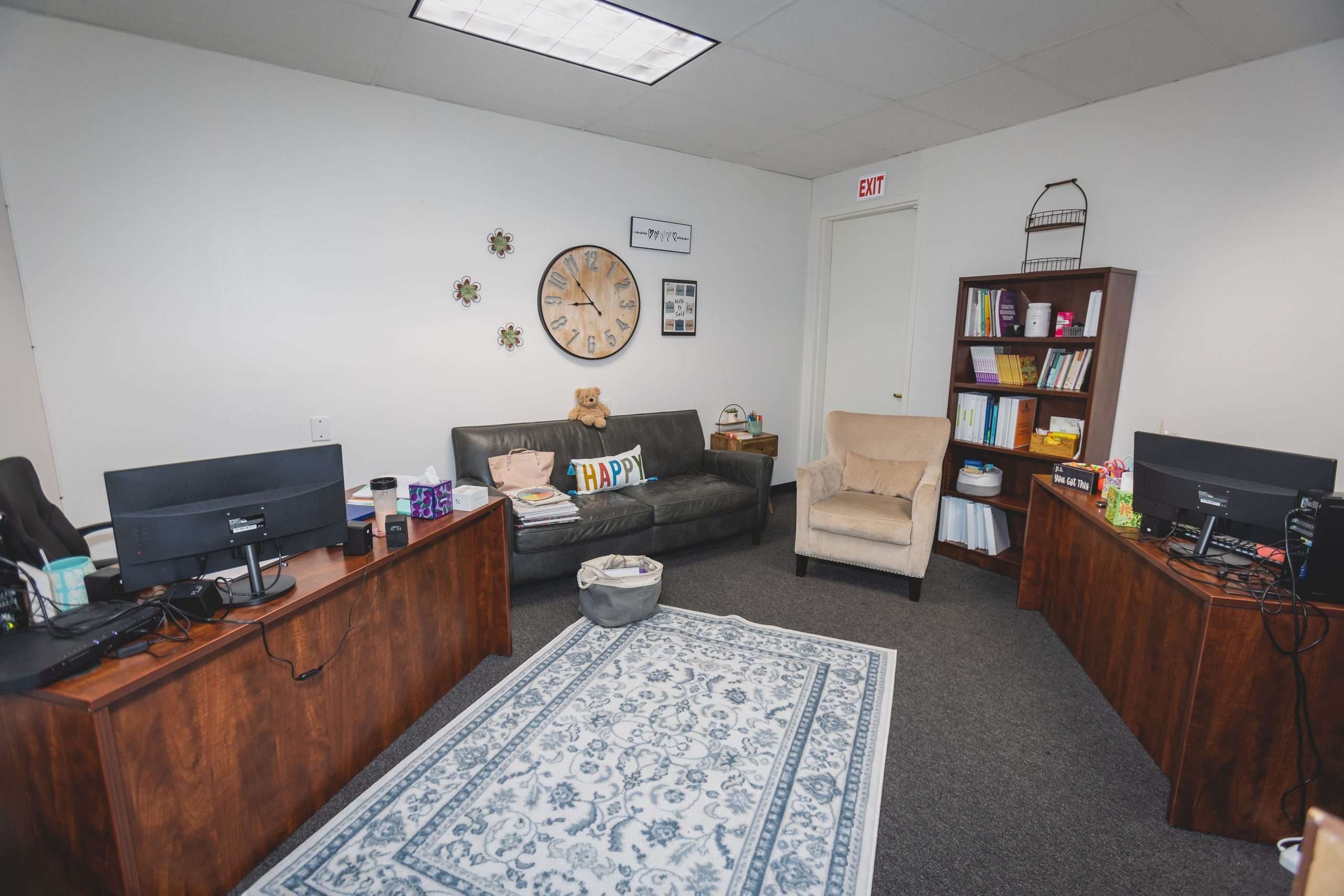

Locating Our Addiction Treatment Center For Women
John Wayne Airport (SNA)
- Distance: Approximately 21 miles
- Directions:
- Head northeast on N Airport Way.
- Use the right lane to take the ramp to CA-55 S.
- Merge onto CA-55 S.
- Take exit 5A for I-405 S toward San Diego.
- Keep left at the fork and merge onto I-405 S.
- Take exit 8 for CA-73 S toward San Diego (Toll Road).
- Merge onto CA-73 S (Toll Road).
- Take exit 5 for Greenfield Dr.
- Turn left onto Rancho Viejo Rd.
- Turn right onto Ortega Hwy.
- Sun County Wellness will be on the left.
Los Angeles International Airport (LAX)
- Distance: Approximately 61 miles
- Directions:
- Head east on World Way.
- Use the right 2 lanes to take the I-405 S ramp.
- Merge onto I-405 S.
- Take exit 8 for CA-73 S toward San Diego (Toll Road).
- Merge onto CA-73 S (Toll Road).
- Take exit 5 for Greenfield Dr.
- Turn left onto Rancho Viejo Rd.
- Turn right onto Ortega Hwy.
- Sun County Wellness will be on the left.
Long Beach Airport (LGB)
- Distance: Approximately 47 miles
- Directions:
- Head south on Donald Douglas Dr.
- Take the ramp to I-405 S.
- Merge onto I-405 S.
- Take exit 8 for CA-73 S toward San Diego (Toll Road).
- Merge onto CA-73 S (Toll Road).
- Take exit 5 for Greenfield Dr.
- Turn left onto Rancho Viejo Rd.
- Turn right onto Ortega Hwy.
- Sun County Wellness will be on the left.
San Diego International Airport (SAN)
- Distance: Approximately 64 miles
- Directions:
- Head northwest on N Harbor Dr.
- Use the left 2 lanes to take the ramp onto I-5 N.
- Continue on I-5 N.
- Take exit 81 for CA-74/Ortega Hwy.
- Turn right onto CA-74 E/Ortega Hwy.
- Sun County Wellness will be on the right.