5 Star Rated Facility | 1000+ Lives Changed

Call Now | 949-828-0960

Antisocial Personality Disorder In Women
Women's Addiction and Mental Health Treatment Center in San Juan Capistrano, CA
What We Treat
Verify Insurance
Need to find out if we take your insurance? Call Us Today for verification.
Antisocial Personality Disorder (ASPD) affects many women, disrupting emotions, behavior, and overall mental health. Antisocial Personality Disorder in women is often linked to childhood trauma, emotional abuse, and sexual abuse. Women with ASPD may struggle with empathy, impulsivity, and aggressive behavior, which can lead to unstable emotions and damaged relationships. These challenges often cause long-term stress, risk-taking behavior, and increased rates of substance abuse and co-occurring mental health conditions.
Understanding the symptoms and treatment options for Antisocial Personality Disorder in women is important for early intervention and effective care. This guide outlines the signs of ASPD in women and explores evidence-based management strategies. It includes research-based insights from the Cleveland Clinic and the National Institute of Mental Health, covering therapy options, medication management, and mental health support.

Understanding Personality Disorders In Women
Antisocial Personality Disorder (ASPD) is a mental disorder classified under the International Classification of Diseases and the Diagnostic and Statistical Manual of Mental Disorders using tools like the Structured Clinical Interview for DSM and the Psychopathy Checklist. ASPD is defined by persistent patterns of aggression, impulsivity, deceit, irritability, and lack of remorse. Though often linked to violent crime, homicide, or recidivism in men, this personality disorder can present differently in women.
Women with ASPD may show emotional detachment, superficial charm, reckless behavior, or manipulative traits. These features often go unrecognized due to gender role stereotypes and societal expectations. Risk factors include adverse childhood experiences such as neglect, verbal abuse, divorce, and parenting styles marked by trauma or cruelty to animals. Studies in PubMed, Elsevier, and the Cochrane Library show that ASPD in women is often underdiagnosed or misdiagnosed as borderline personality disorder, bipolar disorder, or avoidant personality disorder.
Antisocial Personality Disorder in Women: Key Traits:
- Repeated lying or deceit
- Manipulative or controlling behavior
- Frequent anger or irritability
- Disregard for safety or consequences
- Difficulty maintaining relationships
- History of legal or behavioral issues
- Lack of empathy or guilt
Symptoms of Antisocial Personality Disorder in Women
- Ongoing conflict in relationships
- Impulsive decisions with no concern for risk
- Chronic irritability or aggression
- Blaming others for personal problems
- Low tolerance for frustration
- Limited empathy or emotional connection
- Repeated violation of social boundaries
How Is Antisocial Personality Disorder in Women Diagnosed?
Structured Clinical Interviews: Mental health professionals use diagnostic tools such as the DSM to assess symptoms. Since ASPD is more commonly diagnosed in men, its signs in women may be underrecognized or misinterpreted. Women may express symptoms through manipulation, emotional detachment, or lying rather than aggression.
Reviewing Medical and Family History: Clinicians examine genetic or environmental factors such as childhood trauma, neglect, or exposure to violence.
Assessing Emotional and Behavioral Patterns: Evaluating behaviors like impulsivity, lack of empathy, and disregard for rules helps confirm the diagnosis. Co-occurring disorders like depression or substance abuse are also considered.
Treatment Options for Antisocial Personality Disorder in Women
1. Psychotherapy
Dialectical Behavioral Therapy (DBT): Helps women with ASPD manage impulsive behaviors and improve emotional control. It may also support relationship repair and reduce self-destructive actions.
Cognitive Behavioral Therapy (CBT): Focuses on changing harmful thought patterns and improving problem-solving and decision-making.
Psychodynamic Therapy: Explores past experiences and emotional conflicts that may drive antisocial traits.
2. Medication
No medications specifically treat ASPD, but prescriptions can reduce symptoms related to co-occurring conditions:
Antidepressants may help with mood regulation or underlying depression.
Mood stabilizers can manage irritability, impulsivity, and emotional swings.
3. Lifestyle Changes and Support
Supportive daily habits and positive social structures help women manage ASPD symptoms:
Engage in regular exercise and balanced eating.
Create a support system with family, friends, or peer groups.
Practice stress management techniques and avoid emotional isolation.

Borderline Personality Disorder in Women
Symptoms of BPD include:
- Persistent disregard for social rules and norms, often resulting in deceitful or unlawful behavior.
- Manipulative actions used to control others, often without guilt or concern for the consequences.
- Impulsive behaviors such as substance abuse, unsafe sex, or reckless decisions that reflect poor impulse control.
- Limited emotional response, low empathy, and little regard for how their actions affect others.
Managing Antisocial Personality Disorder in Women
Managing Antisocial Personality Disorder in women involves a structured plan that supports emotional, behavioral, and physical well-being. A combination of therapy, support systems, and lifestyle changes can reduce harmful behaviors and improve daily functioning. Early diagnosis and consistent treatment can lead to safer relationships and better mental health outcomes.
Rehabilitation can put an end to mental health
Call and ask the facility directly or call your own provider to determine if your insurance covers the treatment.
Risk Factors and Co-Occurring Conditions in Antisocial Personality Disorder in Women
- Trauma: Childhood abuse, neglect, or exposure to violence can contribute to antisocial behavior patterns later in life. Emotional and sexual abuse are common early-life experiences linked to ASPD in women.
- Genetic Predisposition: A family history of mood disorders, conduct disorder, or substance use may raise the risk for developing antisocial traits.
- Environmental Stressors: Unstable home environments, financial hardship, or poor caregiver attachment during early development can shape antisocial behaviors.
- Substance use disorders
- Depression or anxiety
- Bipolar disorder
- Post-traumatic stress disorder (PTSD)

Conclusion
Antisocial Personality Disorder (ASPD) in women is a serious mental disorder with distinct patterns of aggression, irritability, and disregard for others. Understanding this personality disorder requires insight into gender differences, parenting styles, adverse childhood experiences, and environmental factors like verbal abuse, neglect, and divorce. Research from sources such as the World Health Organization, PubMed Central, and the Cochrane Library shows a growing awareness of the condition’s prevalence, psychopathology, and long-term prognosis.
Women with ASPD often face co-occurring mental health disorders, including borderline personality disorder, anxiety, bipolar disorder, schizophrenia, schizoaffective disorder, major depressive disorder, and avoidant personality disorder. Substance dependence, substance abuse, and addiction are also common, contributing to reckless behavior, poor decision-making, and increased risk of violent crime, suicide, and homelessness.
Seeking Treatment?
FAQs About Personality Disorder
1. What is Antisocial Personality Disorder (ASPD) in women?
Antisocial Personality Disorder is a mental disorder marked by a consistent pattern of disregard for others, impulsive behavior, and lack of empathy. In women, symptoms may include emotional detachment, manipulation, substance abuse, and superficial charm. ASPD is often underdiagnosed due to gender role expectations and overlapping traits with borderline personality disorder or avoidant personality disorder.
2. What causes Antisocial Personality Disorder in women?
ASPD can be influenced by adverse childhood experiences such as trauma, neglect, verbal abuse, and dysfunctional parenting styles. Genetics, mood disorders, and early conduct problems may also contribute. Research in PubMed and Cochrane Library highlights the impact of environment, cognition, and neurobiology on this personality disorder.
3. How is ASPD diagnosed in women?
Diagnosis involves a psychological evaluation by a mental health professional using tools like the Structured Clinical Interview for DSM and the Psychopathy Checklist. Clinicians assess behavior, emotional response, and co-occurring disorders such as bipolar disorder, schizophrenia, or substance dependence. Neuroimaging and blood tests may also help evaluate brain function and serotonin levels.
4. Can women with ASPD be treated successfully?
Yes. While ASPD is challenging to treat, therapy options like dialectical behavior therapy and cognitive behavioral therapy can help. Treatment may also include medication for co-occurring conditions such as anxiety or major depressive disorder. Ongoing support from a health professional or psychiatrist improves long-term quality of life and reduces risks such as recidivism or suicidal ideation.
5. What conditions often occur with ASPD in women?
ASPD commonly co-occurs with anxiety disorder, substance abuse, borderline personality disorder, and mood disorders. Some women may also experience schizoaffective disorder, paranoid personality disorder, or social anxiety disorder. These overlapping conditions complicate diagnosis and highlight the need for a comprehensive clinical approach.
6. Why is ASPD less recognized in women?
Due to stereotypes around gender and morality, women with ASPD may display less overt aggression and more covert behaviors such as manipulation or deceit. This can lead to misdiagnosis and underreporting. Studies from PubMed Central, Elsevier, and the World Health Organization emphasize the importance of gender-informed research and policy to improve detection and treatment.
Our Women's Treatment Facility






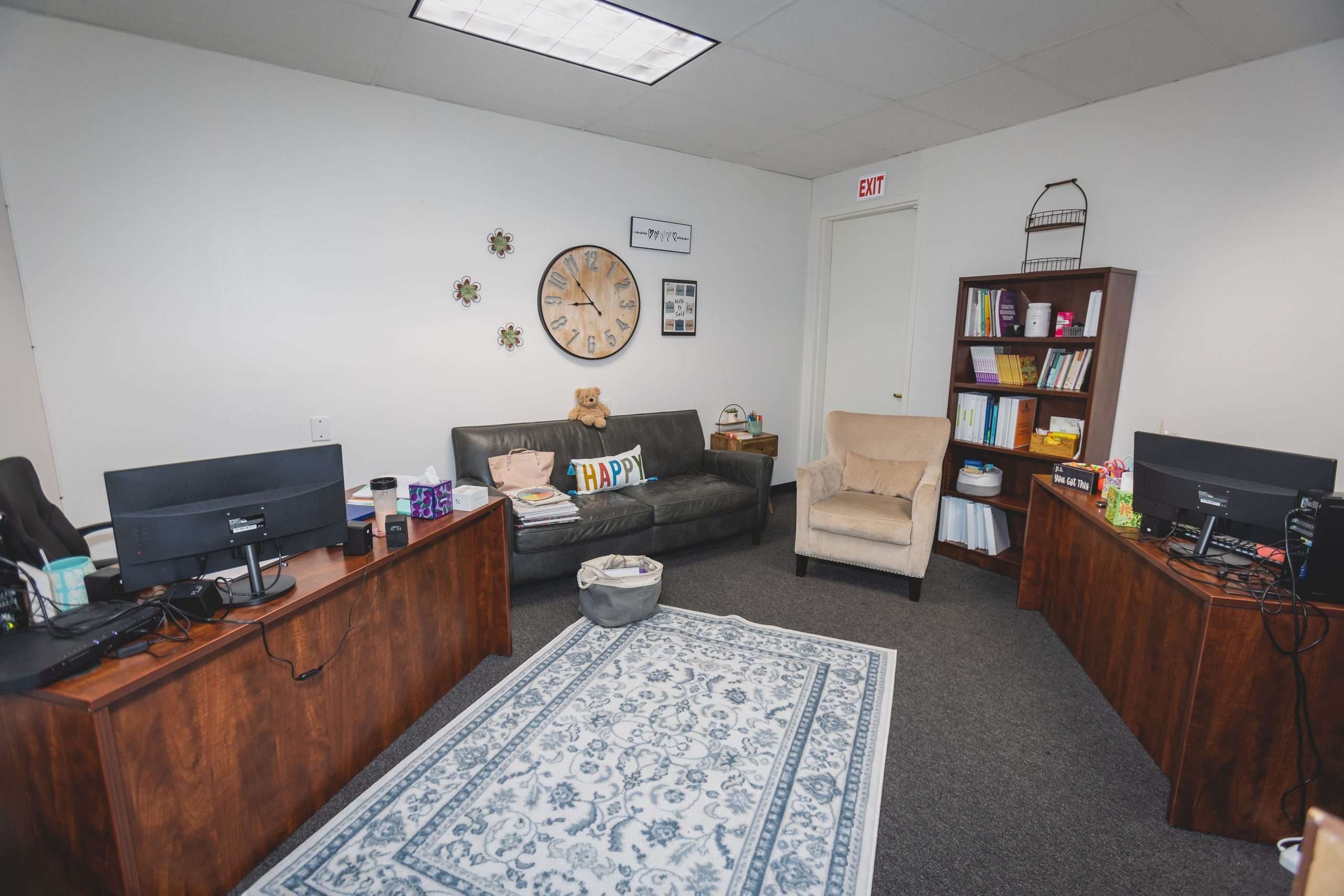

Locating Our Addiction Treatment Center For Women
John Wayne Airport (SNA)
- Distance: Approximately 21 miles
- Directions:
- Head northeast on N Airport Way.
- Use the right lane to take the ramp to CA-55 S.
- Merge onto CA-55 S.
- Take exit 5A for I-405 S toward San Diego.
- Keep left at the fork and merge onto I-405 S.
- Take exit 8 for CA-73 S toward San Diego (Toll Road).
- Merge onto CA-73 S (Toll Road).
- Take exit 5 for Greenfield Dr.
- Turn left onto Rancho Viejo Rd.
- Turn right onto Ortega Hwy.
- Sun County Wellness will be on the left.
Los Angeles International Airport (LAX)
- Distance: Approximately 61 miles
- Directions:
- Head east on World Way.
- Use the right 2 lanes to take the I-405 S ramp.
- Merge onto I-405 S.
- Take exit 8 for CA-73 S toward San Diego (Toll Road).
- Merge onto CA-73 S (Toll Road).
- Take exit 5 for Greenfield Dr.
- Turn left onto Rancho Viejo Rd.
- Turn right onto Ortega Hwy.
- Sun County Wellness will be on the left.
Long Beach Airport (LGB)
- Distance: Approximately 47 miles
- Directions:
- Head south on Donald Douglas Dr.
- Take the ramp to I-405 S.
- Merge onto I-405 S.
- Take exit 8 for CA-73 S toward San Diego (Toll Road).
- Merge onto CA-73 S (Toll Road).
- Take exit 5 for Greenfield Dr.
- Turn left onto Rancho Viejo Rd.
- Turn right onto Ortega Hwy.
- Sun County Wellness will be on the left.
San Diego International Airport (SAN)
- Distance: Approximately 64 miles
- Directions:
- Head northwest on N Harbor Dr.
- Use the left 2 lanes to take the ramp onto I-5 N.
- Continue on I-5 N.
- Take exit 81 for CA-74/Ortega Hwy.
- Turn right onto CA-74 E/Ortega Hwy.
- Sun County Wellness will be on the right.