5 Star Rated Facility | 1000+ Lives Changed

Call Now | 949-828-0960

Dissociative Disorders Therapy in Orange County
Women's Addiction and Mental Health Treatment Center in San Juan Capistrano, CA
What We Treat
Verify Insurance
Need to find out if we take your insurance? Call Us Today for verification.
Dissociative disorders are serious mental disorders characterized by a profound disconnection from reality. These conditions often emerge after traumatic experiences such as emotional abuse, sexual abuse, natural disasters, or military combat. Individuals with dissociative disorders may experience dissociative symptoms such as gaps in memory, loss of memory for everyday events, or a profound detachment from their sense of identity, body experiences, or the world around them.
At Sun County Wellness, our mental health specialists are committed to increasing awareness and providing effective treatment for individuals struggling with dissociative symptoms, helping them regain a sense of safety, emotional regulation, and daily functioning.

Why Do These Disorders Matter?
When someone experiences a dissociative disorder, it is far more disruptive than occasional daydreaming or “spacing out.” Dissociative experiences can lead to significant impairments in mental processes, emotional health, and overall quality of life. Clinical symptoms often include:
Feelings of unreality or detachment
Negative emotions and intense emotions related to painful memories
Split personality disorder or the emergence of distinct identities
Difficulty recalling periods of time or significant life experiences
Emotional distress affecting normal life, relationships, and work
Mental health professionals emphasize that dissociative disorders are closely linked to trauma-related disorders like post-traumatic stress disorder (PTSD) and can coexist with anxiety disorders, depressive disorders, borderline personality disorder, and substance use disorders.
Statistics to Consider
Approximately 70% of individuals may encounter at least one dissociative experience in their lifetime.
About 2% of the U.S. population struggle with persistent dissociative disorders.
Suicidal behaviors and suicide attempts are significantly higher among individuals with untreated dissociative processes.
Given these statistics, early diagnosis and dissociative disorder treatment are crucial to reducing distress and restoring emotional well-being.
Signs and Symptoms
- Amnesia: An unsettling forgetfulness about traumatic events or specific life details.
- Identity Loss: The unnerving sensation of being estranged from one’s self.
- Disconnection: Experiencing out-of-body sensations or feeling emotionally numb.
- Emotional Challenges: Extremes like suicidal ideation, self-harm, and co-existing conditions like depression and anxiety.
Rehabilitation can put an end to mental health
Call and ask the facility directly or call your own provider to determine if your insurance covers the treatment.
The Different Faces of Dissociative Disorders
Understanding the various types helps in both diagnosis and intervention:
1. Dissociative Amnesia: An unexpected memory loss that can be:
- Localized: Forgetting events from a specific time frame.
- Selective: Being unable to recall certain aspects of events.
- Generalized: A sweeping amnesia encompassing one’s entire life.
2. Dissociative Identity Disorder (DID): Once labeled as multiple personality disorder, DID is marked by the presence of multiple identities. Each identity can exhibit:
- Unique behaviors, emotions, and sometimes even names.
- Disparate sets of memories or significant memory lapses.
- Varied reactions to similar situations.
3. Depersonalization/Derealization Disorder: An overwhelming feeling of detachment, either from oneself or from the surroundings. Key indications include:
- Depersonalization: Feeling like an observer in one’s own life.
- Derealization: Perceiving the world as distant, foggy, or surreal.
Root Causes
Several factors can pave the way for these disorders, including:
- Childhood traumas or prolonged periods of abuse.
- Overwhelming stress or the inability to cope with significant life changes.
- Biological elements like brain injuries.
- External influences, including restrictive societal norms.

Dissociative Disorders Therapy Options
Treatment is multifaceted, and what works best can vary from person to person:
- Hypnosis: Offers a dual benefit in diagnosing and treating, aiding in the reintegration of identities.
- Psychotherapy: Provides a safe space for individuals to process traumas and rebuild their sense of self.
- Cognitive Behavioral Therapy (CBT): Focuses on reframing negative thought patterns.
- Dialectical Behavioral Therapy (DBT): Equips individuals with tools to manage overwhelming emotions.
- Eye Movement Desensitization and Reprocessing (EMDR): A unique approach that pairs traumatic memories with specific eye movements to aid in processing.
Navigating the Road to Recovery
Call Sun County Wellness Today!
Do not let dissociative disorders cloud your life or the life of someone you love. Reach out to Sun County Wellness today and begin the healing process. As leaders in Women’s Mental Health Treatment in California, we offer compassionate care tailored to the unique mental health condition and medical condition of each individual.
Our approach to treating dissociative disorders combines dialectical behavior therapy (DBT) to strengthen emotion regulation, individual therapy to address separate identities and identity integration, and cognitive processing therapy to process painful emotions and painful events. Each personalized treatment plan is designed to help individuals manage psychiatric symptoms, anxiety symptoms, physical symptoms, and co-occurring symptoms while promoting daily life improvements.
Seeking Treatment?
FAQ's For Dissociative Disorders
What's the primary trigger for these disorders?
Is DID a form of schizophrenia?
Are medications effective for treatment?
How common are these disorders globally?
Why choose Sun County Wellness?
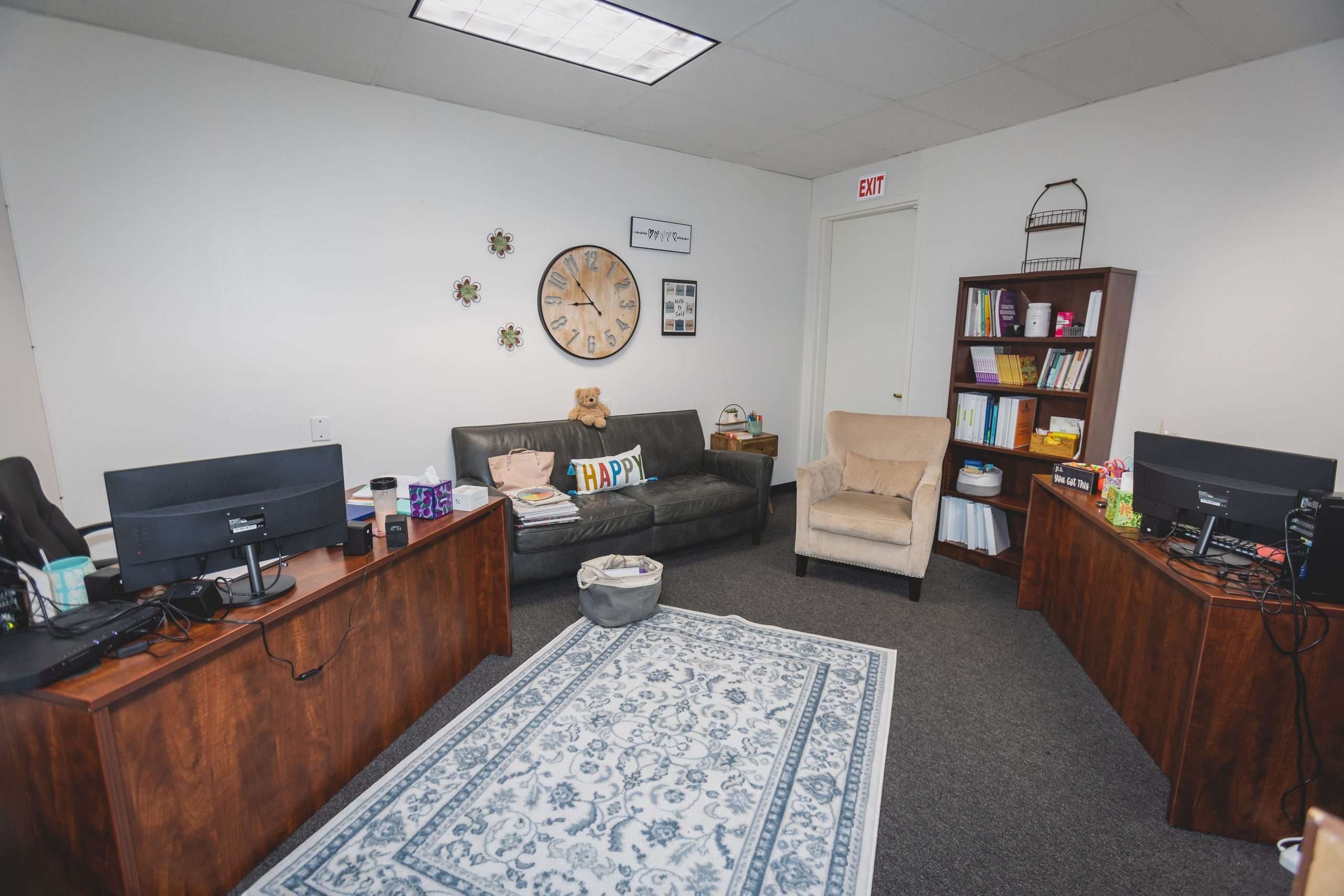
Our Women's Treatment Facility
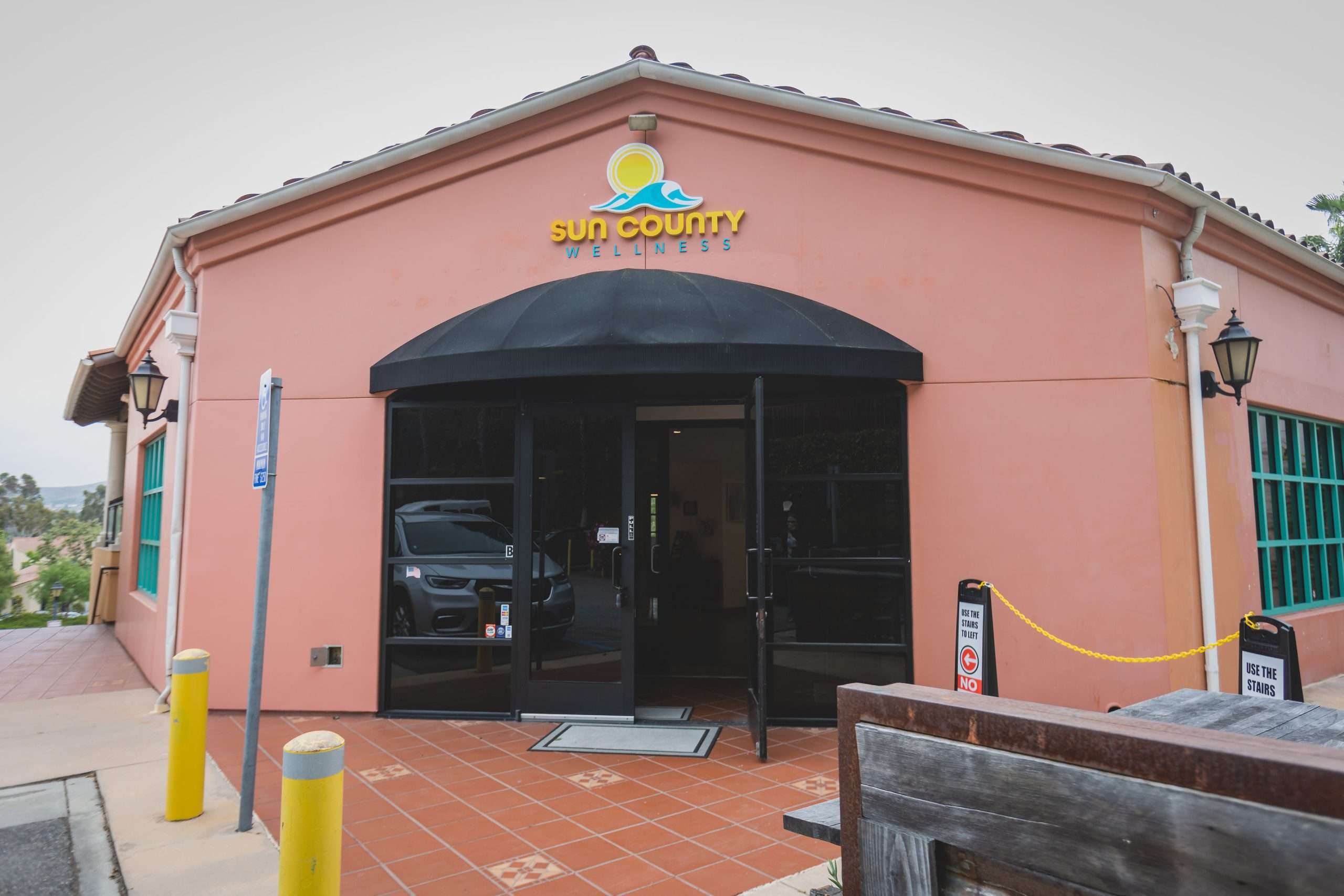
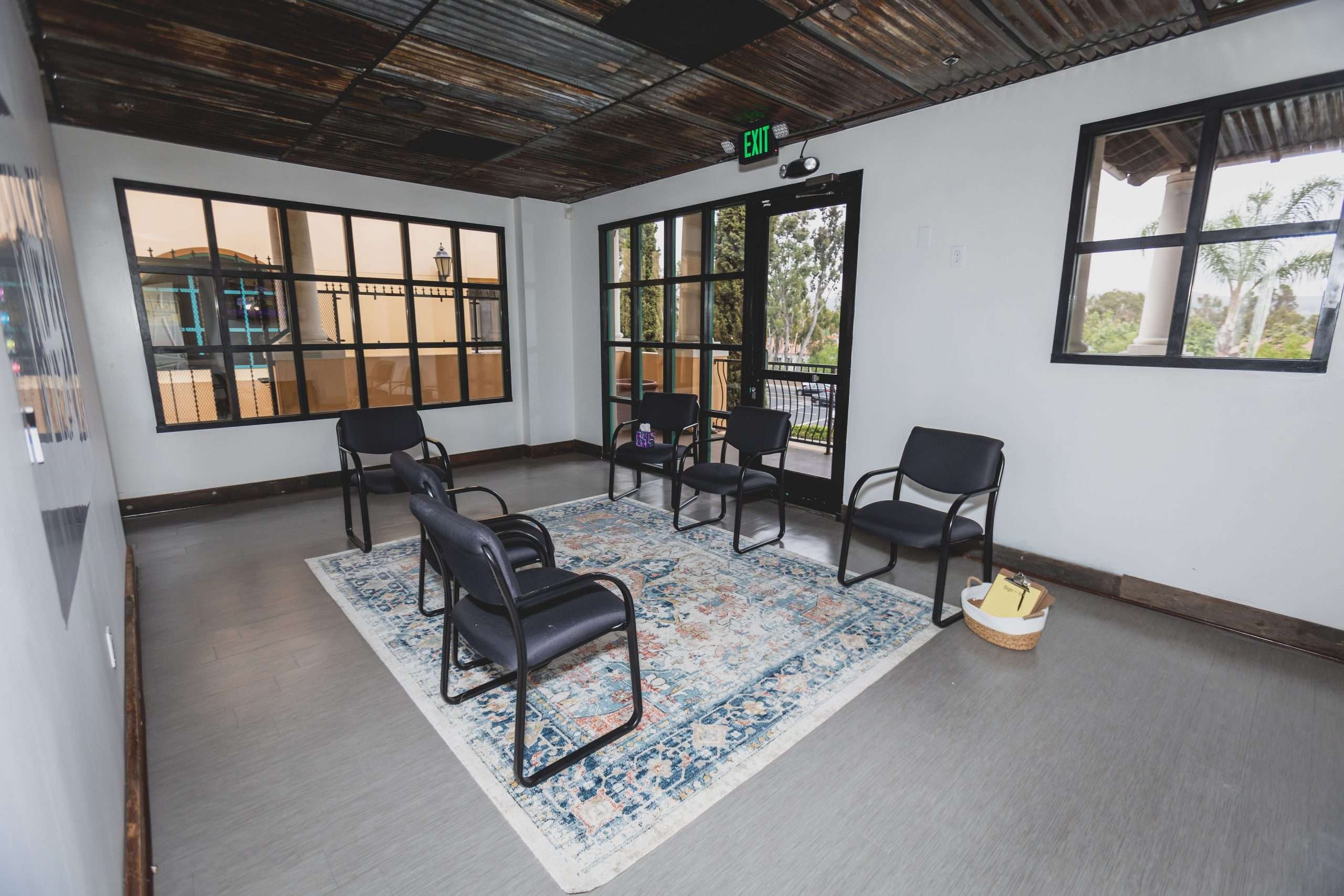
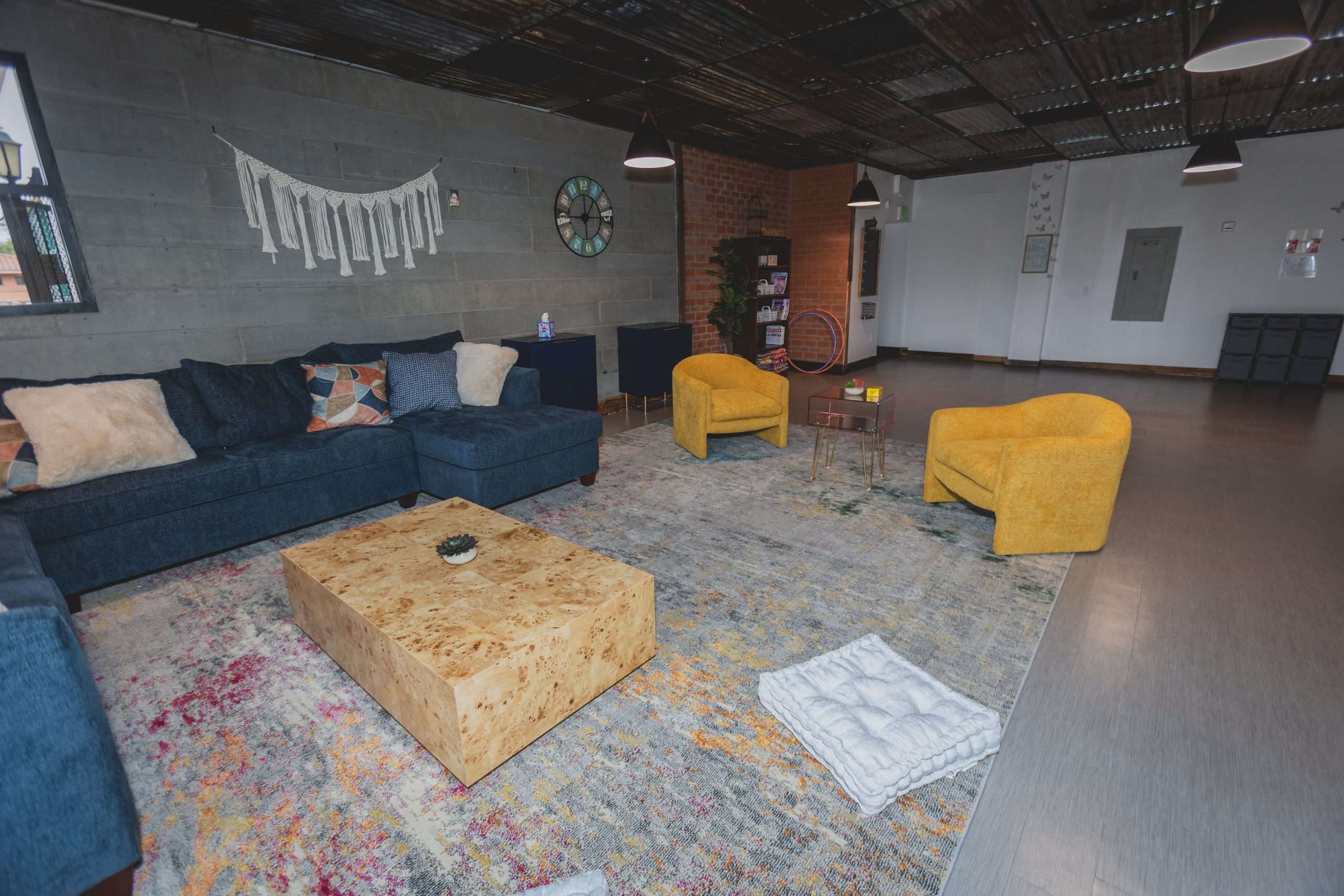

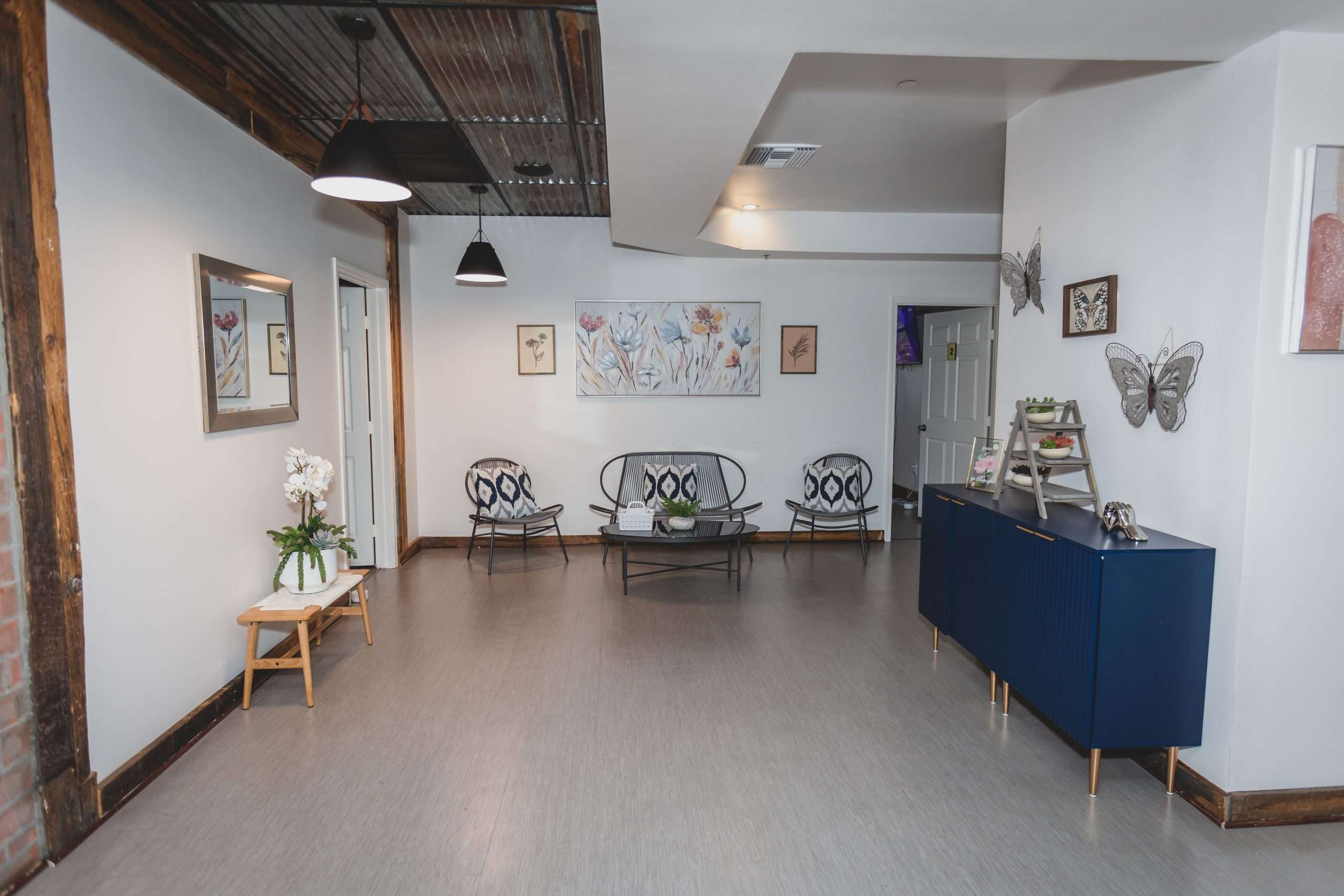


Locating Our Addiction Treatment Center For Women
John Wayne Airport (SNA)
- Distance: Approximately 21 miles
- Directions:
- Head northeast on N Airport Way.
- Use the right lane to take the ramp to CA-55 S.
- Merge onto CA-55 S.
- Take exit 5A for I-405 S toward San Diego.
- Keep left at the fork and merge onto I-405 S.
- Take exit 8 for CA-73 S toward San Diego (Toll Road).
- Merge onto CA-73 S (Toll Road).
- Take exit 5 for Greenfield Dr.
- Turn left onto Rancho Viejo Rd.
- Turn right onto Ortega Hwy.
- Sun County Wellness will be on the left.
Los Angeles International Airport (LAX)
- Distance: Approximately 61 miles
- Directions:
- Head east on World Way.
- Use the right 2 lanes to take the I-405 S ramp.
- Merge onto I-405 S.
- Take exit 8 for CA-73 S toward San Diego (Toll Road).
- Merge onto CA-73 S (Toll Road).
- Take exit 5 for Greenfield Dr.
- Turn left onto Rancho Viejo Rd.
- Turn right onto Ortega Hwy.
- Sun County Wellness will be on the left.
Long Beach Airport (LGB)
- Distance: Approximately 47 miles
- Directions:
- Head south on Donald Douglas Dr.
- Take the ramp to I-405 S.
- Merge onto I-405 S.
- Take exit 8 for CA-73 S toward San Diego (Toll Road).
- Merge onto CA-73 S (Toll Road).
- Take exit 5 for Greenfield Dr.
- Turn left onto Rancho Viejo Rd.
- Turn right onto Ortega Hwy.
- Sun County Wellness will be on the left.
San Diego International Airport (SAN)
- Distance: Approximately 64 miles
- Directions:
- Head northwest on N Harbor Dr.
- Use the left 2 lanes to take the ramp onto I-5 N.
- Continue on I-5 N.
- Take exit 81 for CA-74/Ortega Hwy.
- Turn right onto CA-74 E/Ortega Hwy.
- Sun County Wellness will be on the right.